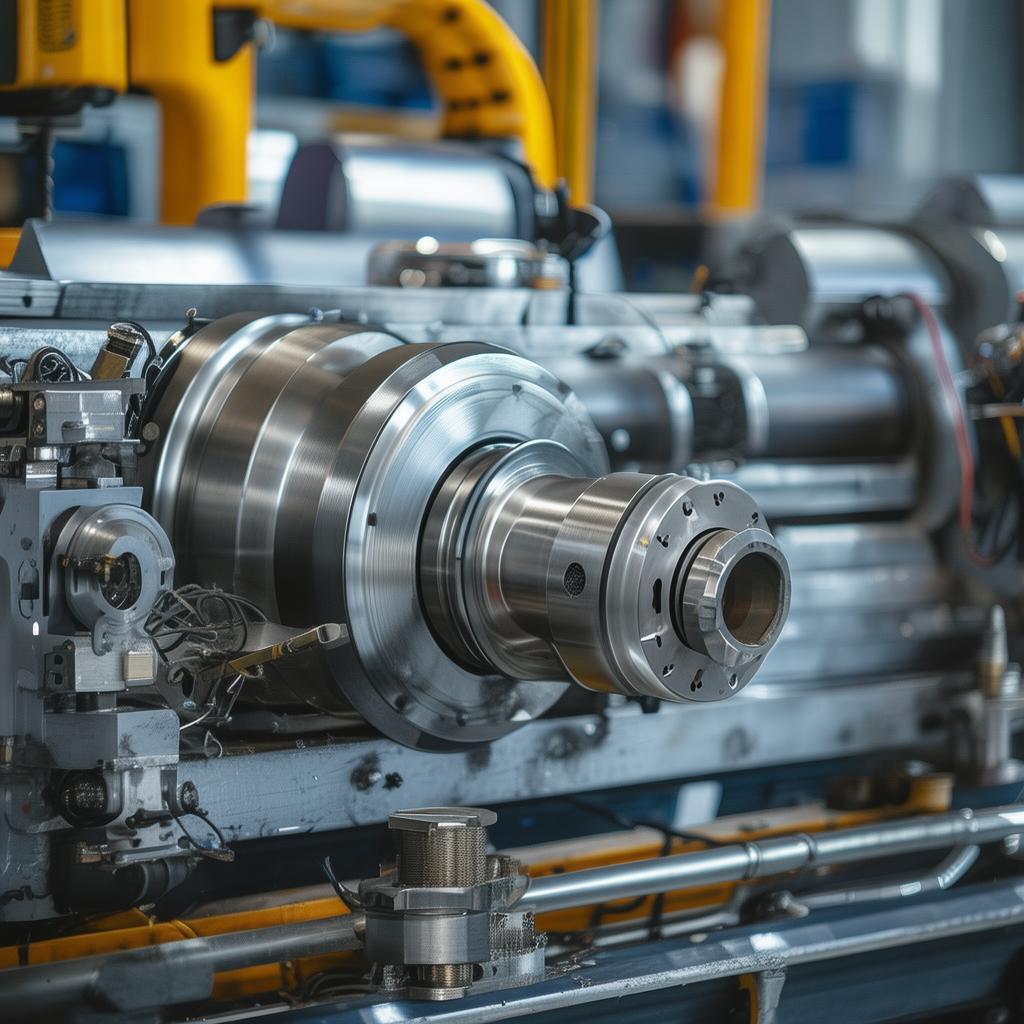
automated laser cutting machine
Automated Laser Cutting Machine for Production-Ready Precision in Metal Fabrication
An automated laser cutting machine is designed for industrial metalwork where repeatable geometry, tight part tolerance, and predictable throughput matter. In fabrication shops, this kind of laser system automates material loading, cutting routines, and production flow so your engineers can standardize designs and your operators can run more stable schedules. From structural components to precision brackets, the automated laser cutting machine supports scalable manufacturing for sheet metal and plate processing—reducing rework and improving consistency across production runs.
Whether you’re expanding capacity, reducing labor variability, or upgrading legacy cutting operations, a production automation approach helps align cutting performance with business outcomes: fewer interruptions, cleaner edges, and faster handoff to downstream forming and assembly.
Key Features
- Programmable production automation to run repeat jobs with less manual intervention, supporting consistent output from batch to batch.
- Stable cutting quality aimed at clean edges and reliable dimensional accuracy, helping minimize downstream machining and scrap.
- Efficient material utilization with nesting-oriented planning workflows to maximize panel usage and reduce per-part cost.
- Reduced setup time through standardized job files and repeatable process parameters for common part families.
- Higher production readiness for metal fabrication schedules—supporting faster changeovers and smoother scheduling across shifts.
- Process-oriented integration that aligns cutting with fabrication operations, enabling easier coordination with punching, bending, welding, or finishing.
- Operational visibility so teams can monitor job runs and maintain tighter control over production priorities.
- Designed for shop-floor durability to handle daily industrial use and simplify long-term maintenance planning.
Technical Specifications
| Parameter | Specification |
|---|---|
| Machine Type | Automated laser cutting system for production use |
| Automation Capability | Automated job execution and production workflow support |
| Cutting Workflow | Recipe-based cutting suited to repeat production runs |
| Material Processing (Typical) | Sheet and plate cutting for metal fabrication applications |
| Control & Interface | Industrial control platform with production-ready job handling |
| Safety | Shop-floor safety design for industrial laser operation |
| Maintenance Approach | Maintenance-friendly layout for routine service planning |
Note: Exact cutting parameters (e.g., work area, laser power, speed, and gas options) should be confirmed based on your material types, thickness range, and target part geometry.
Application Scenarios
- Production of brackets and enclosures where repeatability across lots reduces rework and inspection time.
- Structural component cutting for fabrication projects that require stable geometry for downstream welding and assembly.
- Panel and trim fabrication for transportation and equipment builders needing consistent edges for forming.
- High-mix, low-to-medium volume work where standardized job handling keeps turnaround predictable.
Advantages
Compared with generic cutting solutions or semi-manual approaches, this automated laser cutting machine is intended to support industrial production discipline—helping you reduce variability and protect schedule commitments.
- Lower operating variability: more repeatable job execution helps reduce human-driven inconsistency.
- Streamlined handoffs: stable cutting output supports better alignment with bending, welding, and finishing stages.
- Improved cost control: nesting-friendly planning and reduced scrap can lower cost per finished part.
- Scalability: as part families expand, automation supports faster scaling of production routines.
- Better ROI path: production automation targets utilization and throughput stability rather than one-off cutting performance.
Why Choose Us
We support international manufacturing customers with a procurement-focused mindset: clear communication, practical documentation, and implementation guidance aligned with your production goals.
- Transparent project approach: we align scope, workflow needs, and integration expectations before delivery planning.
- Application-first guidance: we help you select a configuration that fits your materials, thickness range, and typical part geometry.
- Operational support: onboarding support for production teams to ramp up with minimal disruption.
- Service readiness: maintenance planning assistance to help keep downtime predictable.
- Global supplier experience: we work with distributors and end users across regions with a focus on reliability and delivery coordination.
FAQ
Q: What industry is this automated laser cutting system best suited for?
A: It’s primarily built for metal fabrication production—where consistent cutting quality and stable job runs help downstream operations like bending and welding.
Q: Will the automated laser cutting machine handle high-mix part families?
A: Yes. By using production-oriented job handling and repeatable process recipes, you can switch between standardized part routines more efficiently than with purely manual workflows.
Q: How do I confirm that the equipment matches our material thickness and part geometry?
A: Share your material types, thickness range, and sample drawings or typical part files. We can then help validate the workflow and recommend an appropriate configuration for your production targets.
Q: What kind of training/support is provided for production teams?
A: We provide implementation guidance for operators and support teams so your staff can run jobs effectively and follow maintenance practices that reduce downtime.
Q: Is this suitable for distributors or contract manufacturing?
A: Yes. A production-first automated cutting setup helps contract manufacturers keep schedules stable while supporting multiple customers through organized job execution.
If you’re evaluating automation for a fabrication line, request a quotation or inquiry package. Send your material details and target parts, and we’ll help you position the right automated cutting solution for reliable production output.