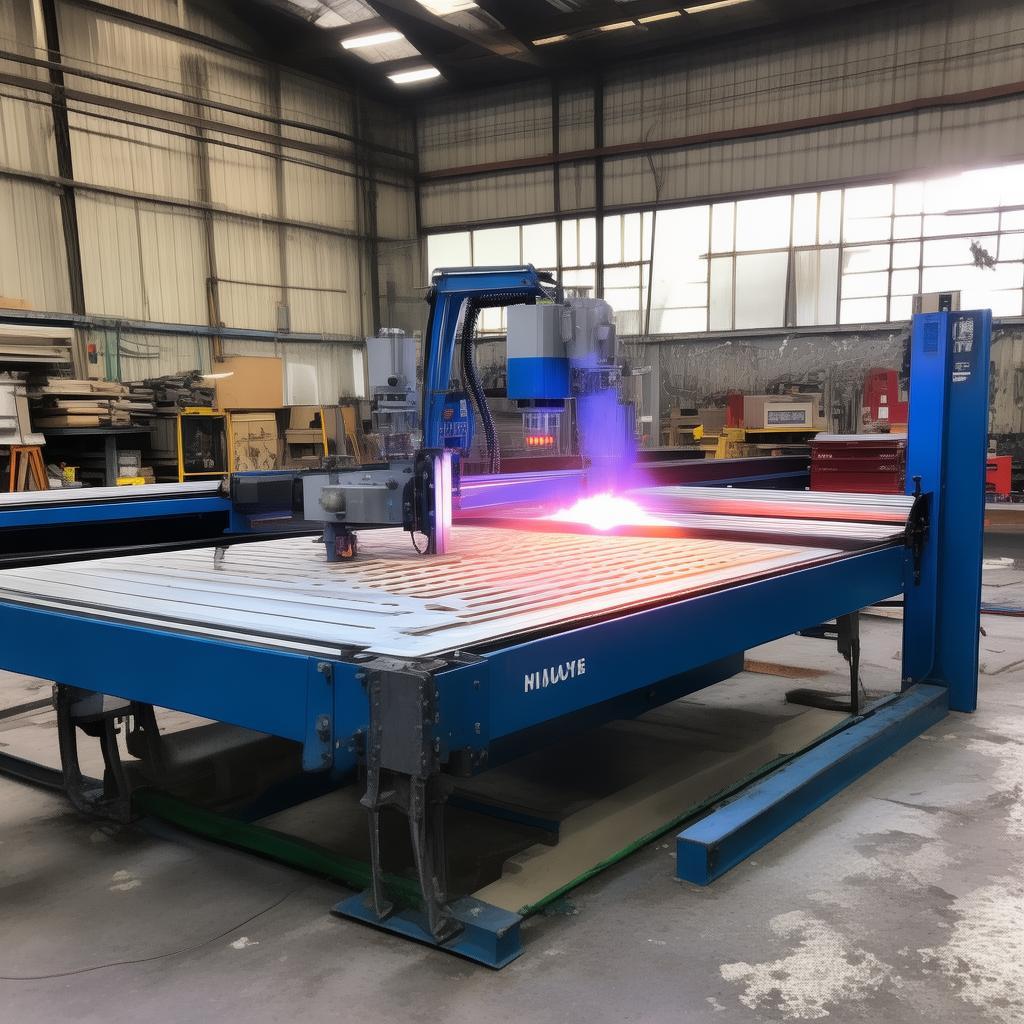
CAM compatible CNC laser cutting
Product Overview
CAM compatible CNC laser cutting delivers precise, repeatable laser cutting results by aligning your CAD/CAM toolpaths with the machine workflow used on industrial fabrication lines. Built for the metal fabrication and manufacturing supply chain, it supports production-ready programming and clean part creation for components used in mechanical assemblies, enclosures, and industrial product builds. Whether you’re scaling from prototyping to batch production or standardizing work across sites, this workflow helps reduce rework, shorten lead times, and maintain consistent cut quality.
From sheet to structured parts, it streamlines how designs become cut-ready programs—so engineers and procurement teams can plan manufacturing with confidence.
Key Features
- CAM-to-cut alignment for smoother toolpath transfer and fewer engineering changes between design and production.
- Consistent geometry across batches, supporting standard dimensions for assemblies, brackets, and housings.
- Cleaner edge finish and reliable traceability for parts that feed directly into downstream processes like bending, welding, and finishing.
- Production-ready programming support so your CAM program structure is easier to review, verify, and reproduce.
- Material flexibility for common industrial sheet and plate applications, helping distributors and fabricators meet varied customer needs.
- Faster iteration cycles when designs change—helping teams respond to RFQs, engineering revisions, and time-critical orders.
- Scalable workflow designed for repeated jobs, stable output, and smoother handoff to quality inspection.
Technical Specifications
| Parameter | Specification |
|---|---|
| Primary use | Industrial laser cutting using CAM-prepared toolpaths for repeatable production |
| File/workflow compatibility | CAM-generated machining data suitable for cutting workflow; supports standard manufacturing review cycles |
| Quality focus | Dimensional consistency, stable part repeatability, and production-ready output for downstream steps |
| Material coverage | Common industrial sheet/plate materials used in fabrication projects (requirements confirmed per RFQ) |
| Part complexity | Suitable for profiles, cutouts, and detailed patterns where CAD/CAM-driven accuracy matters |
| Typical deliverables | Cut parts with inspection-friendly consistency for assembly, welding, and finishing workflows |
Note: Specific machine parameters (e.g., power, bed size, tolerances) are confirmed during quoting based on material, thickness, and geometry.
Application Scenarios
- Manufacturers using standardized CAM libraries for enclosures and control panels with repeatable hole patterns.
- Job shops producing brackets, frames, and structural components where design-to-cut consistency reduces rework.
- Distributors supporting multi-customer portfolios by keeping a predictable cutting workflow aligned to customer toolpath formats.
- Engineering teams iterating on prototypes while maintaining a production-ready pathway from CAD updates to cut parts.
- Contract fabricators preparing components for downstream welding and finishing by delivering clean, assembly-friendly parts.
Advantages
Compared with generic “send-us-a-file” cutting services, a CAM-aligned laser cutting workflow helps procurement and engineering teams keep control over how designs translate into the shop floor execution. Instead of re-deriving toolpaths late in the process, teams can verify geometry and nesting assumptions earlier—leading to fewer costly corrections after production starts.
- Lower iteration cost: revisions can be managed with less friction because the cutting plan follows a consistent CAM-to-production logic.
- More predictable outcomes: stable execution supports repeat orders and consistent downstream fit-up.
- Better cross-team communication: engineers and operators can review the same intent—from program structure to part features.
- Procurement-friendly planning: clearer handoff reduces schedule risk for production windows and delivery commitments.
When your manufacturing process depends on repeatability, CAM compatible CNC laser cutting becomes a practical way to protect quality, not just a technical label on a quote.
Why Choose Us
We support international trade and manufacturing buyers with a delivery process designed for engineering clarity, reliable communication, and production accountability. Our approach focuses on understanding your part requirements, confirming material and geometry needs before production, and maintaining a stable workflow from program intake through finished cut parts.
- Clear quoting and review steps so you know what’s included before work begins.
- Practical file and process guidance aligned to common CAM-based manufacturing workflows.
- Quality-minded production handling to help reduce rework and protect assembly schedules.
- Responsive communication for RFQs, urgent revisions, and order status updates.
If you have specific tolerance, inspection, or documentation requirements, share them with your RFQ—we’ll align our process to your acceptance criteria.
FAQ
Q: What does “CAM compatible” mean for laser cutting?
A: It means we plan the cutting workflow around CAM-generated machining intent—so your design toolpath can be reviewed and executed in a way that supports repeatability and reduces late-stage translation issues.
Q: Which file types and formats should we provide?
A: Provide your CAD/CAM outputs that your internal process uses for machining delivery. During the RFQ, we’ll confirm the best way to submit files for review and production handoff based on your part geometry and material.
Q: How do you handle design updates after CAM is finalized?
A: Send the revised drawing/program and we’ll evaluate what changed—then confirm the impact on production planning. This is especially important for CAM-driven projects where small edits can affect toolpath, nesting, or fit-up.
Q: Is CAM compatible CNC laser cutting suitable for small batch production?
A: Yes. The workflow supports both prototypes and production batches by keeping execution consistent from part program review through finished cuts, which helps protect schedules even when quantities change.
Q: What information do you need to quote accurately?
A: Share part drawings (or CAD geometry), material and thickness, quantity, required edge/fit expectations, and any inspection or documentation needs. If you already have CAM toolpaths, include them to speed up verification.
Want a quote for your next production run or prototype? Send your part drawings and CAM outputs, and we’ll confirm the best workflow for your CAM-driven laser cutting requirements and expected delivery window.