
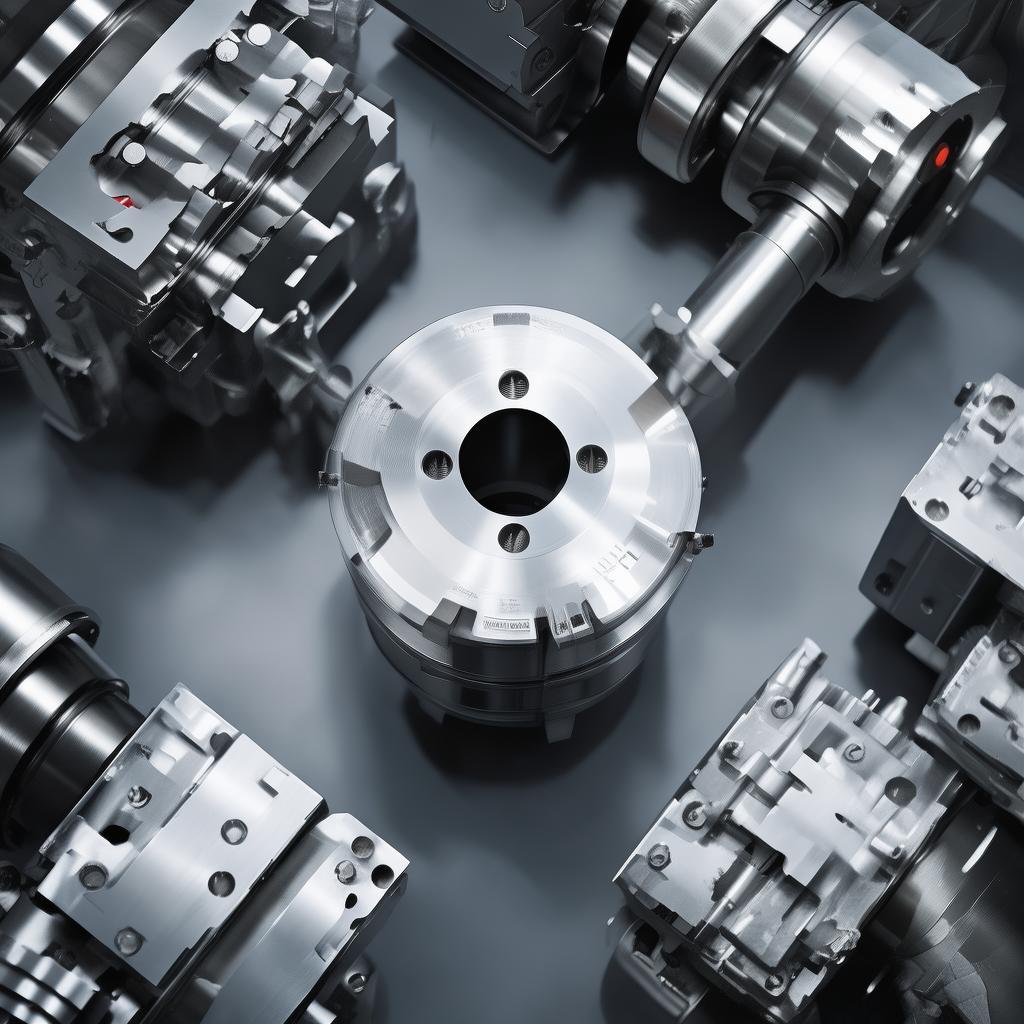
CNC lathe with robot loading
Product Overview
A CNC lathe with robot loading is a production-focused turning machine designed for unmanned or minimally attended part handling, enabling consistent machining cycles for high-volume manufacturing. In the metalworking and precision components industry—commonly serving automotive suppliers, industrial hardware makers, and general machining job shops—buyers prioritize throughput, repeatability, and labor efficiency. By automating the load/unload process with a robot interface, this CNC turning system helps reduce changeover time, stabilize cycle times, and improve manufacturing capacity without sacrificing machining quality.
Key Features
- Robot-assisted loading for reduced downtime: automatic transfer helps keep the machine running through shift schedules, minimizing manual interruptions.
- Higher throughput with repeatable part presentation: consistent positioning supports stable machining results across large batch runs.
- Improved operator utilization: shift staff can focus on setup checks, tooling management, and quality verification rather than repetitive handling tasks.
- Integrated production workflow: automation-friendly design supports lean manufacturing layouts and faster response to scheduling demands.
- Designed for manufacturing reliability: the automated cell concept reduces handling variability and helps protect production consistency.
- Scalable for different part families: robot loading configurations can be aligned to workholding and part geometry for broader production coverage.
- Quieter, cleaner production practices: automation can support safer material flow and reduced manual contact in the turning area.
Technical Specifications
| Parameter | Specification |
|---|---|
| Machine type | CNC turning center with automated robot loading interface |
| Workpiece handling | Robot-assisted pick/load and unload cycle integration |
| Production mode | Part-by-part automated cycle for batch and repeat production |
| Typical integration | Workholding setup + robot communication for synchronized machining |
| Control & programming | CNC control package with automation coordination (configured per customer) |
| Cell layout considerations | Loading flow, safety guarding, and material staging designed for uptime |
| Options | Robot end-effector and tooling interface tailored to part geometry and handling needs |
Note: Exact turning capacity, spindle configuration, and automation details depend on your part requirements. We can specify the correct configuration after reviewing drawings, material type, and target takt time.
Application Scenarios
- Automotive components: high-repeat turning of shafts and housings where stable cycles improve capacity planning.
- Industrial fasteners & fittings: automated handling for consistent part presentation during batch production runs.
- Hydraulic and fluid power parts: reduced operator intervention supports quality checks without frequent manual load/unload.
- Subcontract machining for repeat orders: smoother shift coverage when demand is predictable and part families are stable.
Advantages
Compared with a manual or semi-automated turning setup, a CNC turning line concept like this—featuring robotic load/unload—reduces the variation introduced by human handling and improves the likelihood of sustaining target schedules. Compared with generic automation add-ons, a purpose-integrated cell approach supports tighter synchronization between machining and transfer, which is essential for stable production output.
- Lower handling time per part to support better labor-to-output ratios.
- More consistent workflow for repeat orders, easing dispatch and inventory planning.
- Enhanced safety and ergonomics by reducing manual part contact in the turning zone.
- A platform for future scaling—new part variants can be introduced with appropriate end-effector and workholding adaptation.
If you’re evaluating a CNC lathe with robot loading for overtime reduction and longer unattended production windows, this configuration is designed around manufacturing reality: consistent part flow, fewer interruptions, and reliable batch execution.
Why Choose Us
- Manufacturing-oriented sourcing: we focus on practical automation integration rather than “one-size-fits-all” offers.
- Specification support: we help map your part geometry, workholding, and cycle requirements to the right automation approach.
- Global supply experience: we support international procurement workflows, documentation, and shipment planning.
- Process transparency: clear communication on lead times, configuration steps, and acceptance planning.
- Customer-first implementation: we align the robotic loading concept to your production goals and operator practices.
FAQ
1) Is this suitable for unmanned operation?
The goal of a CNC turning cell with robot-assisted transfer is to support extended production periods with reduced manual intervention. Final unattended capability depends on part stability, workholding choice, and your quality verification strategy.
2) What determines whether a CNC lathe with robot loading will work well for our parts?
Key factors include part geometry, material, weight balance, datum accessibility for fixturing, and the required cycle consistency. We review drawings and sample details to define the safest and most reliable loading approach.
3) Can we run different part variants on the same machine?
Yes, within limits. Changing part families typically requires adjustments to end-effector and workholding, plus program setup. The robotic loading cell is intended to streamline these transitions for batch production.
4) How do we plan for installation and commissioning?
We coordinate cell layout considerations, safety requirements, and integration steps so commissioning aligns with your production plan. You’ll receive guidance on acceptance checks and operational handover.
5) Do you provide configuration guidance for robot end-of-arm tooling?
Yes. For a reliable CNC lathe with robot loading workflow, end-of-arm tooling and gripping strategy must match your part surfaces and handling needs. We align the setup with your tolerances and quality expectations.
Ready to increase output without adding headcount? Share your part drawings, material, and target cycle times—we’ll recommend the right setup for your automated turning line and provide a quotation for the CNC lathe with robot loading configuration that fits your production goals.