
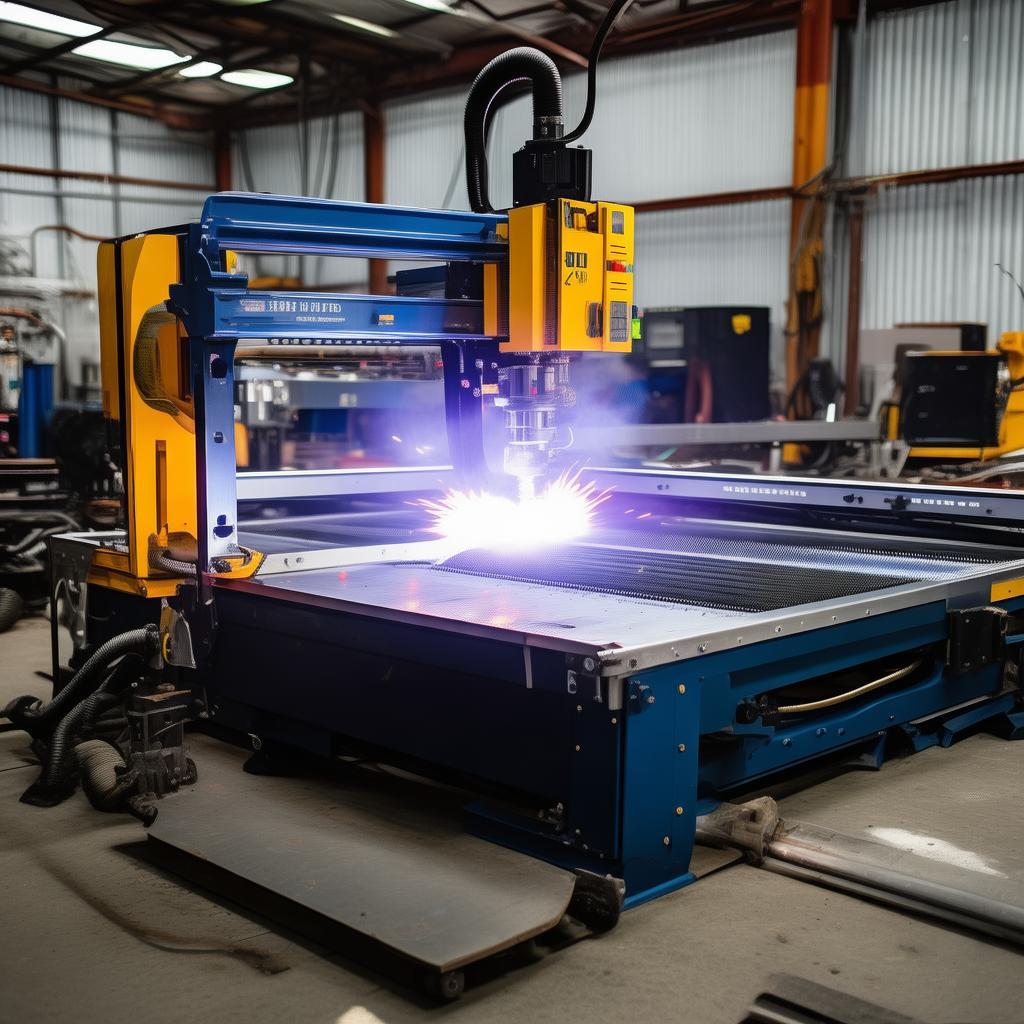
CNC turning for flanges
Product Overview
CNC turning for flanges is a precision machining service focused on producing flange components with controlled diameters, accurate bolt-hole patterns, and consistent surface finish for reliable sealing and mechanical integrity. It is widely used across the industrial manufacturing supply chain—supporting hydraulics, pressure systems, piping networks, pumps, valves, and process equipment where dimensional accuracy and repeatability directly impact assembly, leakage risk, and downtime. For buyers seeking dependable flange quality in production or project work, CNC lathe machining provides the consistency needed from prototypes to recurring runs.
Whether you require turned ring blanks, machined sealing faces, or flange hubs with tight tolerances, our CNC turning process helps you maintain fit-up across mating parts and standardize procurement with a single manufacturing source.
Key Features
- Dimensional control for sealing performance: Machining strategies designed to support concentricity, runout control, and stable geometry at assembly.
- Repeatable bolt-circle and hole accuracy: Consistent positioning helps reduce rework during installation and improves interchangeability across batches.
- Surface finish suited for gasket interfaces: Turned finishes are selected to match sealing requirements and downstream assembly expectations.
- Material versatility for industrial duty: Suitable for common flange material families used in piping, pressure equipment, and mechanical assemblies.
- Production-ready consistency: Supports both one-off and scaled manufacturing, helping distributors and OEMs plan inventory with confidence.
- Process visibility and quality checks: Inspection planning and measurement documentation aligned to typical procurement requirements.
- Clean communication from quotation to shipment: Helps you confirm drawings, machining allowances, and packing needs early.
Technical Specifications
| Parameter | Specification |
|---|---|
| Machining type | CNC lathe turning for flange hubs, rings, and mating surfaces; secondary operations as required |
| Common work items | Flange blanks, machined flange faces, pilot bores, stepped diameters, and bolt-pattern interfaces |
| Dimensional verification | Inspection planning based on your drawing tolerances; measurement documentation available upon request |
| Surface finish | Finish tailored to sealing interface requirements and part geometry |
| Quality approach | Process checks during machining and final inspection aligned to customer expectations |
| Materials | Accepted based on your specification; typical industrial alloys and steels supported |
| Documentation | Drawing review support, machining notes confirmation, and shipment documentation prepared for international logistics |
Application Scenarios
- Piping systems and pipeline tie-ins: Flange interfaces produced to maintain alignment and reduce installation rework.
- Valves, pumps, and rotating equipment: Precision turning helps ensure concentric fit and consistent seal seating.
- Pressure vessels and industrial skids: Machined hubs and mounting features support reliable assembly in demanding environments.
- OEM replacement and maintenance parts: Repeatable production supports dependable lead times for spare component supply.
Advantages
Compared with generic machining outsourcing or manual turning approaches, CNC turning for flanges delivers measurable advantages for procurement-driven teams:
- Better interchangeability: Consistent dimensions across batches help align with your BOM and assembly requirements.
- Lower total cost of quality: Fewer fitting issues and reduced rework translate into savings beyond machining price.
- More predictable lead times: CNC workflows and repeatable setups support stable scheduling for planned builds and replenishment.
- Improved surface and geometry control: Turned sealing and mating features are produced to match your gasket and flange interface intent.
- Drawing-first production: We focus on understanding your flange requirements early, so your design intent is carried into the shop floor setup.
Why Choose Us
Choosing the right supplier for CNC lathe machining of flange components often comes down to reliability, clarity, and traceable quality. We focus on:
- Commercial responsiveness: Clear quotation steps, prompt feedback on drawings, and realistic lead-time alignment.
- Manufacturing discipline: Standardized turning processes and structured inspection planning for consistent outcomes.
- Fit for international procurement: Export-ready packaging considerations and shipping documentation prepared to support smooth receipt.
- Communication that reduces risk: We proactively flag ambiguous features—such as sealing faces, bolt-hole patterns, and critical dimensions—before production begins.
Note: If you have specific industry standards, certificates, or inspection requirements, share them with us during inquiry and we will confirm applicability for your project.
FAQ
1) What information do you need to quote CNC turning for flanges?
Send the flange drawing (PDF/STEP), material specification, target quantity, and any critical dimensions (sealing face, pilot bore, bolt circle, surface finish). If you have tolerance notes or inspection requirements, include them.
2) Can you machine both the flange face and the bolt-pattern interface?
Yes—typical flange features such as turned faces, hub diameters, and locating/bore geometry are supported. Depending on your design, additional machining steps may be coordinated to complete the functional interfaces.
3) How do you handle tolerance and inspection expectations?
We review your tolerance callouts first, then align inspection checks to those critical dimensions. Measurement documentation can be provided based on your request and project needs.
4) Is CNC turning for flanges suitable for both prototypes and production runs?
Yes. Prototype work benefits from drawing review and process planning, while production runs benefit from repeatable setups and consistent quality controls.
5) What causes delays or rework with flange machining—and how do you reduce them?
Most issues come from unclear critical dimensions, mismatched material specs, or missing surface finish/sealing requirements. We reduce these risks by confirming key features during quotation and production planning.
Ready to move forward with CNC lathe machining for your flange program? Share your drawing and quantity targets, and we’ll respond with a quotation, lead-time estimate, and a practical plan to meet your functional interface and inspection requirements.