
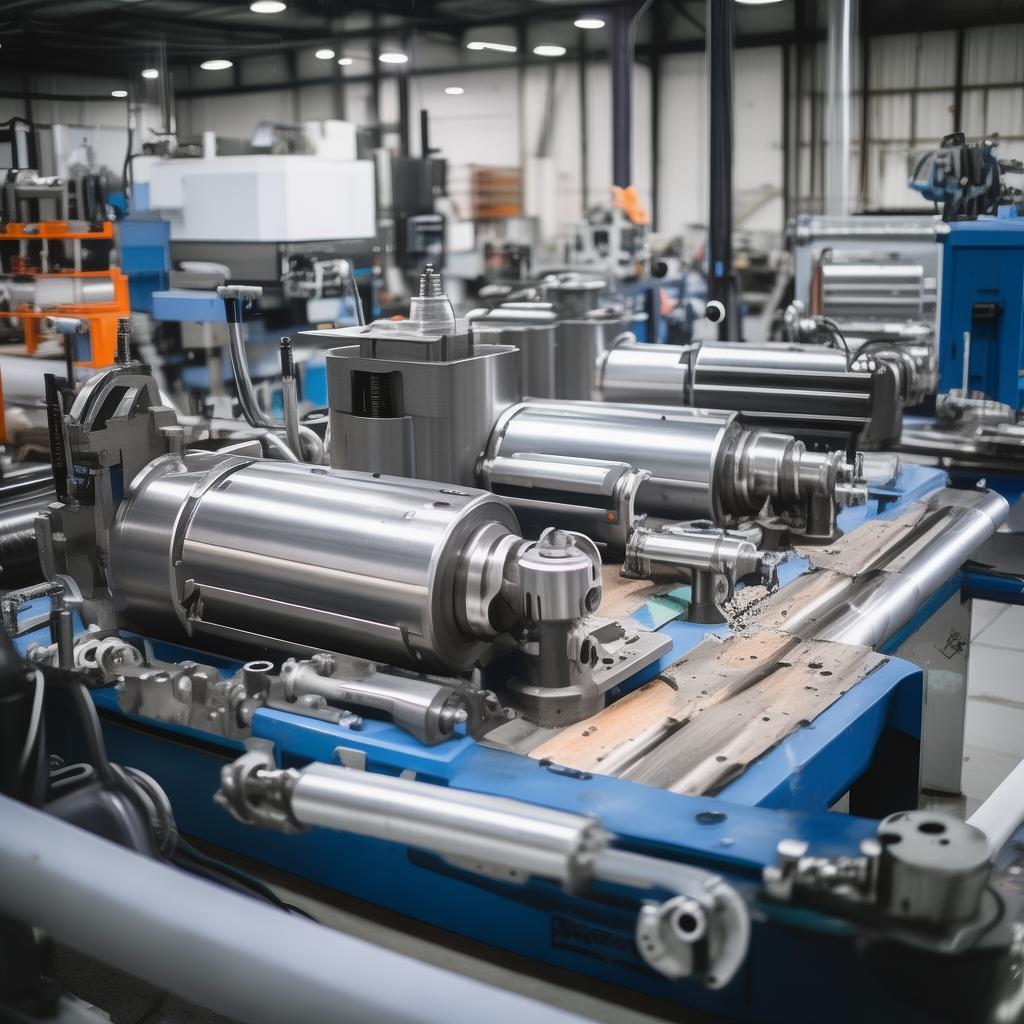
CNC turning with threading
Product Overview
Built for precision machining in industrial manufacturing, our CNC turning with threading capability delivers repeatable, high-quality cylindrical components for assemblies that demand secure fastening and consistent dimensional control. This process combines automated turning with thread-forming so you can produce shaft-like parts, threaded fittings, and threaded bores with reliable geometry across production runs. It’s widely used in mechanical engineering, fluid systems, and powertrain supply chains where thread accuracy, surface finish, and traceability matter from prototype through series production.
If you’re sourcing threaded turned parts, our turning centers help reduce variability, improve fit-up at assembly, and support scalable manufacturing workflows.
Key Features
- Thread integrity you can assemble on: controlled thread geometry supports smooth mating, stable torque, and reduced rework at downstream stages.
- Process-driven consistency: CNC-controlled cutting and toolpath repeatability helps maintain dimensions across batch production.
- Efficient production planning: turning plus thread machining in one workflow reduces handling steps and can shorten lead times.
- Surface quality for functional performance: improved finish supports sealing performance, wear resistance, and reliable sliding fit where required.
- Material flexibility for industrial parts: suitable for a broad range of engineering materials used in mechanical and fluid applications.
- Quality-focused inspection readiness: we align machining outputs to typical procurement requirements for documentation and measurement traceability.
- Support for custom drawings and revisions: engineers can review thread callouts, tolerances, and critical features to match your spec.
Technical Specifications
| Parameter | Specification |
|---|---|
| Machining process | CNC turning with thread-forming (external threads and threaded features as specified) |
| Thread types | Metric/imperial thread standards and custom thread forms based on the drawing |
| Common turning features | Shaft profiles, shoulders, steps, bores (as applicable), and threaded ends |
| Tolerance approach | Tolerances produced to your engineering requirements; critical dimensions verified per inspection plan |
| Surface finish | Finish targets matched to application needs (e.g., sealing, wear, sliding fit) |
| Materials | Typical engineering alloys suitable for turned and threaded components (final selection per your spec) |
| Documentation | Inspection/measurement records prepared to match customer expectations |
Application Scenarios
- Threaded shafts and coupling interfaces used in rotating machinery and drive systems.
- Threaded fittings for hydraulic and pneumatic lines where repeatable thread fit supports reliable sealing.
- Fastener-like components and threaded housings for industrial enclosures and machine assemblies.
- Replacement parts for maintenance programs that require consistent geometry across service batches.
- Threaded bores and precision turned features for assemblies where alignment and engagement length are critical.
Advantages
Choosing our turning capability for threaded parts offers advantages over generic alternatives that may handle threading less consistently or rely heavily on manual finishing.
- More predictable thread quality through CNC-driven toolpaths and controlled parameters—helping reduce assembly issues.
- Lower handling and setup variability when turning and threading are planned as an integrated machining workflow.
- Better alignment between thread callouts and machined profiles, supporting proper shoulder control and engagement length.
- Improved production scalability for procurement teams moving from pilot builds to repeat orders.
- Clearer manufacturing communication: we align on thread type, tolerance needs, and inspection priorities before machining begins.
For buyers seeking dependable CNC turning with threading outcomes, this approach helps protect downstream assembly schedules and reduces costly iterations.
Why Choose Us
We work with procurement managers and engineering buyers who need stable quality, consistent communication, and manufacturing discipline. Our team focuses on machining readiness, measurement alignment, and responsive feedback throughout production.
- Engineering-first collaboration: we review thread specifications, tolerances, and critical dimensions to prevent avoidable issues.
- Quality documentation support: we prepare inspection records aligned with your requirements and drawing expectations.
- Production reliability: we plan repeat orders with consistent setup practices and clear communication.
- Global buyer readiness: packaging and shipment planning are handled to protect components in transit for international trade.
If your project calls for precision threaded turned parts produced via CNC controls, our CNC turning with threading workflow is designed to meet procurement expectations.
FAQ
1) Can you machine both external threads and threaded features from our drawing?
Yes. We confirm thread type (standard or custom), tolerances, and engagement requirements, then plan the turning and thread-forming operations accordingly.
2) What information do you need to quote parts accurately?
A clear drawing (thread callouts, critical dimensions, surface finish notes), material specification, and expected quantities. If you have an inspection plan or acceptance criteria, include it to ensure alignment.
3) How do you handle tolerance and measurement for threaded turned components?
We match the machining targets to your requirements and verify critical dimensions per an inspection plan agreed for the job. This helps ensure the parts meet functional fit expectations.
4) Are you able to support prototypes and small production runs?
Yes. Our turning and threading workflow supports pilots and production planning; we focus on reducing iteration by clarifying specifications early.
5) Do you offer surface finish or post-processing recommendations?
We can advise based on application needs (e.g., sealing surfaces, wear surfaces, and corrosion control). The final process is determined by your drawing requirements and material selection.
Ready to source high-quality threaded turned parts? Share your drawing and quantity requirements for a quotation request, and we’ll confirm manufacturability and the best machining approach for your application—whether you’re procuring components using CNC turning with threading or related thread-forming workflows.