
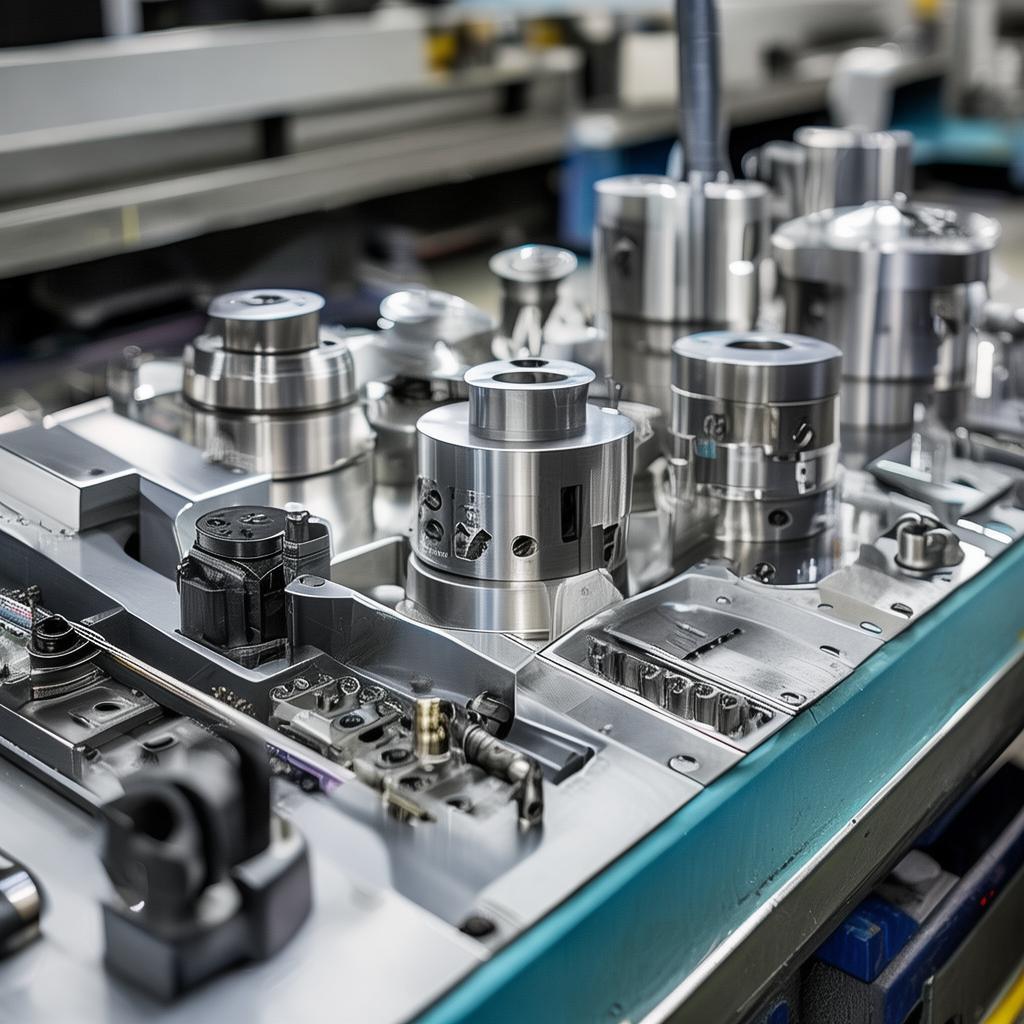
twin turret turning center
Product Overview
A twin turret turning center is a precision CNC lathe built for high-mix, repeatable machining in industries that demand efficient setup and stable production of turned components. Typically used in metalworking for shafts, bushings, fittings, and other rotating parts, it combines two turrets with automatic tool selection to reduce non-cutting time and improve throughput. For buyers in job shops, contract manufacturing, and industrial OEM supply chains, this platform supports consistent quality while enabling faster changeovers—key when engineering revisions and diverse part families are the norm.
Key Features
- Two-turret workflow for higher productivity: Perform sequential operations with improved continuity, helping shorten cycle time and increase daily output.
- Stable machining for repeatable tolerances: A turning center layout designed for rigidity supports dependable results across medium-volume production runs.
- Process flexibility for mixed part families: Efficient tool organization and adaptable operations support frequent product changes without excessive retooling.
- Operator-friendly programming and setup: CNC-driven tooling paths reduce manual intervention and streamline standard operating procedures for technicians.
- Reduced handling and better consistency: Using integrated turning sequences can minimize workpiece repositioning, improving dimensional consistency.
- Designed for industrial reliability: Built for shop-floor continuity with components selected for predictable serviceability.
- Tooling strategy that supports cost control: Optimize cutting operations and station usage to reduce scrap risk and improve material utilization.
Technical Specifications
Note: Exact configurations can be tailored to your part size, machining method, and production targets. Below is a representative specification framework commonly used for this type of machine.
| Parameter | Specification |
|---|---|
| Machine Type | CNC twin-turret turning center (turning + optional driven milling/secondary operations based on configuration) |
| Turret Arrangement | Two turrets for parallel/sequence tooling access |
| Spindle Drive | CNC-controlled spindle system suitable for production turning (configurable) |
| Bar Handling / Work Support | Supported workholding options (manual or integrated bar/workpiece loading depending on layout) |
| Tooling Capacity | Configurable tool stations/holders per turret to match your routing strategy |
| Control System | CNC control with turning cycles and turret coordination (model varies by configuration) |
| Repeatability Approach | Built for consistent production machining through rigid structure and controlled processes |
| Cooling & Chip Management | Flood/through-tool options and industrial chip handling suited to turning workloads (configurable) |
Application Scenarios
- Automotive component machining: Efficiently produce shafts and housings where mixed features require frequent tool changes.
- Hydraulic and pneumatic fittings: Balance throughput and consistency for repeatable turned geometries and concentric features.
- Industrial fastener & bushing production: Use the dual-turret sequence to shorten cycle time while maintaining stable finishing.
- Contract manufacturing for high-mix parts: Improve changeover efficiency and reduce non-cutting time across part families.
Advantages
Compared with single-turret lathes or generic “one-size-fits-all” turning solutions, a twin-turret design streamlines the machining workflow by coordinating tooling stations for faster sequencing. That means less time spent waiting for tool changes and fewer interruptions during complex part programs. In many production environments, this leads to better overall equipment effectiveness—especially for parts that benefit from simultaneous or sequential operations across two tool sets.
If your operation includes frequent revisions, multi-feature turning, or medium-volume batches where setup time matters, the dual-station approach of this twin turret turning center can help you stabilize output and reduce process variance—without forcing you into overly specialized tooling strategies.
Why Choose Us
We support procurement decisions with practical guidance from application assessment through commissioning. Our team focuses on aligning the machine configuration with your part geometry, tolerancing goals, and production cadence—so the platform performs as expected on your shop floor.
- Clear communication on configuration options, tooling approach, and integration needs.
- Documentation and installation coordination to reduce downtime during deployment.
- Ongoing support channels for troubleshooting and process improvement planning.
- Procurement-friendly quoting process with specification confirmation before order finalization.
FAQ
Q: What kinds of parts are best suited to a twin turret turning center?
A: Parts that require multiple turning steps, consistent surface finishing, and efficient sequencing—such as shafts, bushings, and cylindrical fittings—often see the biggest productivity benefit.
Q: How does a dual-turret layout improve cycle time?
A: While one turret completes a cutting stage, the second can be staged for the next tools or operations. This coordination reduces waiting time for tool access and helps maintain steady machining flow.
Q: Can this turning center handle high-mix production?
A: Yes. The twin-station tooling approach supports quicker setup for different part programs, making it a strong fit for contract manufacturing and multi-customer production.
Q: What information do you need to recommend the right configuration?
A: Share part drawings (critical dimensions/tolerances), material details, annual/weekly volume, preferred workholding method, and target surface finish requirements so we can propose an appropriate turret tooling strategy and options.
Q: Is a twin turret turning center difficult to integrate into an existing line?
A: Integration depends on your automation and inspection workflow. We can help map requirements for loading, chip/coolant management, and program support so the machine fits your current production system.
If you’re evaluating a twin turret turning center for your next capacity upgrade, send us your part drawings and production targets. We’ll review your application and provide a quotation-ready configuration proposal tailored to your machining requirements.