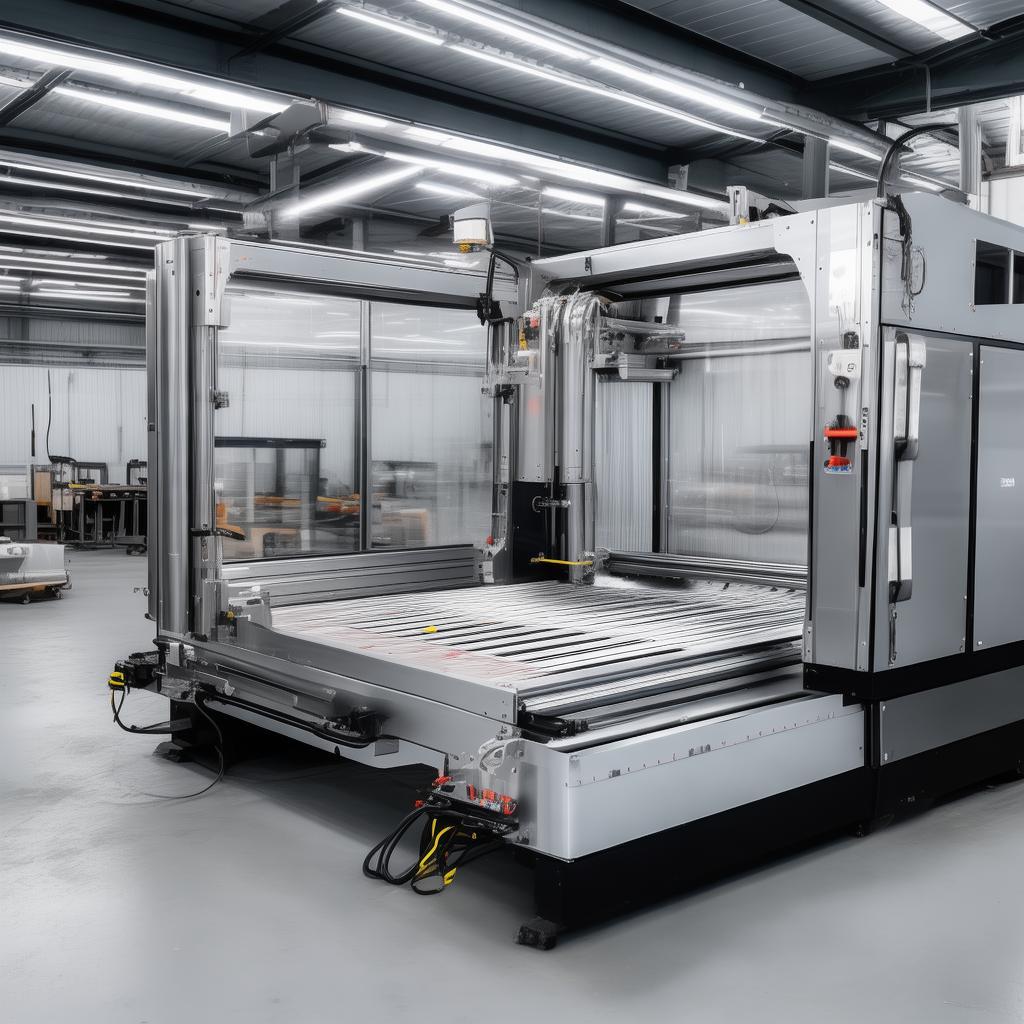
CNC machining center for dry machining
Product Overview
A CNC machining center for dry machining is a high-precision machining platform built to remove material efficiently with minimal or no cutting fluid, helping manufacturers reduce coolant-related costs while improving shop-floor cleanliness. In industrial metalworking—especially for high-mix, production-oriented shops that machine steel, stainless steel, aluminum, and tough alloys—dry-capable CNC centers are valued for stable process control, reduced mess, and more straightforward chip handling. This equipment supports reliable milling and drilling operations for component manufacturing used across automotive supply, industrial machinery, aerospace subassemblies, and general contract manufacturing.
Key Features
- Dry machining optimized workflow: Designed for stable cutting under reduced lubrication, supporting consistent part quality and predictable production cycles.
- Improved chip management: Thoughtful chip evacuation pathways help keep the cutting area cleaner, which supports tool life and reduces operator intervention.
- Process stability for repeatable tolerances: Rigid structure and control-ready motions help maintain machining performance across long runs and frequent setups.
- Cleaner shop-floor operation: Less coolant handling can mean reduced slip hazards, improved visibility, and easier maintenance routines.
- Tool and workflow flexibility: Suitable for common milling/drilling patterns used in industrial parts, helping you respond to changing product mixes without major rework.
- Manufacturing-focused uptime approach: Built for predictable day-to-day operation with serviceability considerations that fit production environments.
- Integration-ready for modern production: Supports typical factory automation and programming workflows, making it easier to scale machining capability.
Technical Specifications
Specifications vary by configuration. Below is a practical specification framework commonly supplied with dry-capable CNC machining centers; confirm your exact build during quotation.
| Parameter | Specification |
|---|---|
| Machine type | Dry machining CNC machining center for milling and drilling |
| Control | CNC numerical control with G-code machining support |
| Spindle system | Dry-capable spindle configuration (factory-validated for reduced coolant operation) |
| Axes | Typically 3-axis or 4-axis (depending on your process requirements) |
| Working envelope | Configured to match part size and fixture strategy |
| Tooling interface | Standard tool holders suitable for production milling/drilling |
| Chip handling | Dry machining chip evacuation and collection options |
| Air/cooling strategy | Air management designed for dry cutting stability (confirm options per material) |
| Power & utilities | Factory-specified electrical requirements and site utility interface |
Application Scenarios
- Automotive components: Dry milling of housings, brackets, and precision pockets where cleaner handling improves production flow.
- Industrial machinery parts: Machining repeatable structural features for housings and frames using a stable dry cutting strategy.
- General contract manufacturing: High-mix jobs benefit from reduced coolant preparation and faster setup-to-run transitions.
- Stainless and alloy workpieces: Dry-capable processes can be leveraged with appropriate tooling and parameter control for consistent surfaces.
Advantages
Choosing this CNC machining center for dry machining approach helps you move beyond generic “coolant-ready” machines that require additional handling and shop-floor practices. Dry-capable machining centers are designed to address the realities of reduced fluid use: chip behavior, cutting-area visibility, and everyday maintenance routines.
- Lower operational overhead: Reduced coolant and disposal logistics can translate into simpler purchasing and safer handling.
- Cleaner production environment: Less fluid carryover supports a more organized work zone and improved operator comfort.
- Better fit for modern throughput: When programming and setups are optimized for dry cutting, you can achieve consistent cycle execution across batches.
- Tooling and process control alignment: A purpose-fit dry machining setup supports stable cutting conditions, helping maintain quality targets.
If you’re evaluating a dry machining upgrade path, it’s often easier to standardize on one robust platform rather than retrofitting multiple production cells with improvised coolant-reduction workflows.
Why Choose Us
We support distributors, integrators, and end users with a supply-and-implementation mindset focused on long-term productivity. Our team works with you to align machine configuration with material families, tooling approach, and expected part geometry—so your dry machining program runs smoothly from commissioning onward.
- Quotation transparency: We provide clear configuration options and help you confirm the build that matches your envelope, tooling, and process needs.
- Application-oriented guidance: Input from your engineers helps us tune recommendations for a dry cutting strategy, rather than a one-size-fits-all suggestion.
- International procurement support: We are set up to support cross-border buyers with documentation and purchasing coordination for manufacturing timelines.
- After-sales focus: We prioritize commissioning assistance and practical support so the transition to dry machining is controlled and efficient.
Tell us your materials, part dimensions, annual volume, and current tooling—then we’ll recommend the best-fit configuration for your use of this dry machining CNC solution.
FAQ
Q: What does “dry machining” change compared with coolant-based cutting?
A: Dry machining reduces or eliminates cutting fluid during cutting. That shifts attention to chip evacuation, cutting-area cleanliness, and stable process parameters for consistent surface quality.
Q: Is this suitable for my materials (steel, stainless, aluminum)?
A: Many shops machine common metal families with dry-capable setups, but results depend on your cutting strategy and tooling. Share your material grades and typical features so we can align recommendations.
Q: How do I validate performance before full production?
A: We recommend a short trial plan using your real workholding and toolpaths. This confirms chip behavior, stability, and quality at your target feeds/speeds for the specific parts you manufacture.
Q: What maintenance differences should we expect with dry machining?
A: Maintenance focuses more on keeping the cutting area and chip management system clean and inspecting dry-operational components per the machine’s service plan. Reduced coolant logistics can also simplify daily routines.
Q: Can we integrate this CNC platform into our current production workflow?
A: Yes. The machine can be configured to fit typical programming and production execution methods. We’ll discuss your fixture strategy, tooling standard, and automation needs during quotation for smoother handoff.
Ready to evaluate a production-ready CNC machining center for dry machining configuration? Share your target materials, part drawings, annual volume, and quality requirements, and we’ll respond with a tailored quotation and recommended setup for dry machining success.