
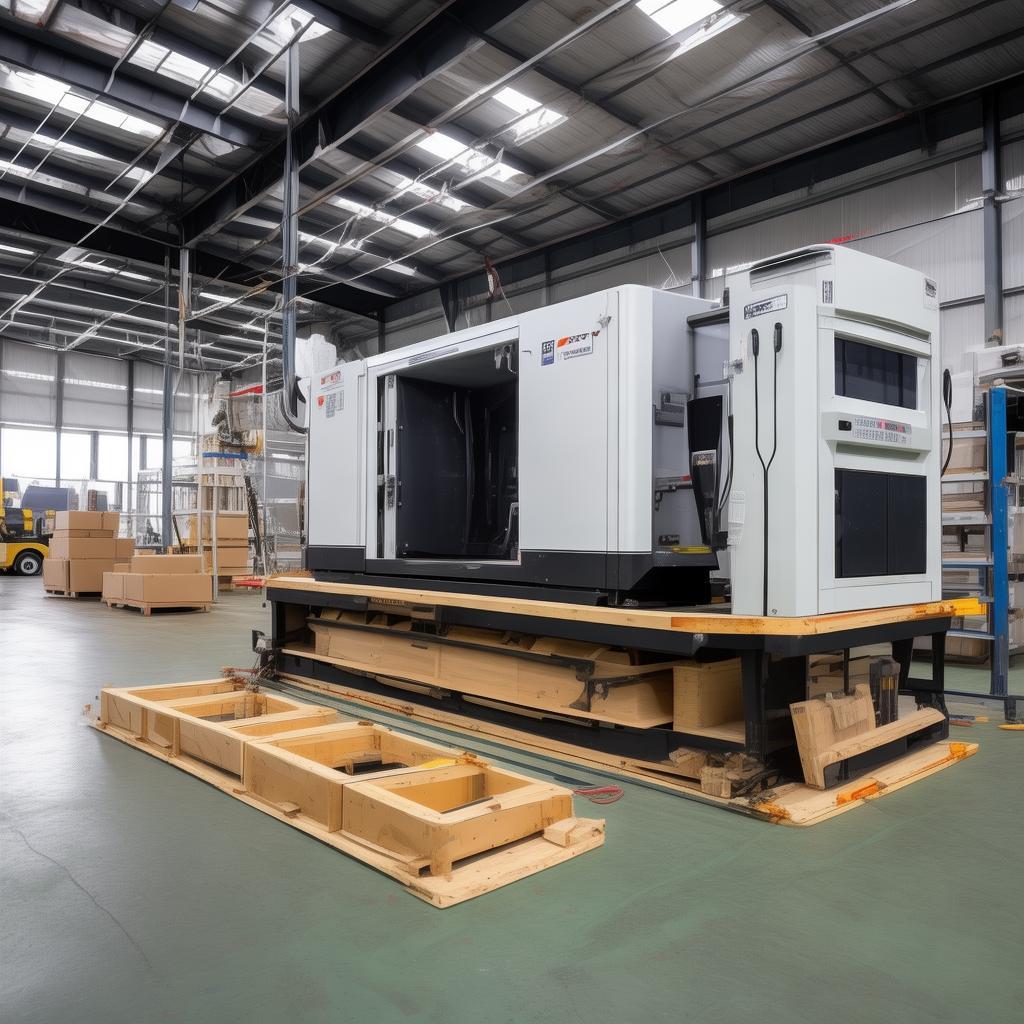
CNC machining center for tooling
Product Overview
A CNC machining center for tooling is a precision, shop-floor machine designed to manufacture and maintain molds, dies, and cutting tools that drive high-quality production. In the industrial manufacturing and tooling (mold/die/toolmaking) sector, tooling is the bottleneck for part quality, lead time, and repeatability—so machine capability is judged not just by accuracy, but by stability, changeover speed, and reliable finishing. This CNC platform supports the complete workflow for tool components such as inserts, holders, electrodes, and complex cavities, helping manufacturers shorten iteration cycles and improve dimensional control across batches.
Key Features
- Tooling-focused machining workflow: Designed for producing molds, dies, and tool bodies with stable geometry from roughing to finishing.
- Consistent surface quality: Maintains machining conditions that support repeatable tolerances and clean finishes on critical working areas.
- Fast part setup and repeatability: Helps reduce non-cutting time through predictable setup routines and controlled motion for repeat production runs.
- Flexible manufacturing for varied tooling: Suitable for toolmaking tasks where geometries differ from job to job—supports pragmatic batch and single-unit production.
- Robust integration into production cells: The machine concept aligns with typical industrial layouts—ideal for job shops, mold centers, and tool & die lines.
- Process reliability for demanding schedules: Built to support day-to-day operational continuity, reducing rework risks tied to inconsistent toolpath execution.
Technical Specifications
| Parameter | Specification |
|---|---|
| Machine category | CNC machining center for tooling (mold/die/toolmaking) |
| Typical materials | Tool steels, aluminum alloys, and related tooling metals (depending on tooling strategy) |
| Core process focus | Roughing, semi-finishing, and finishing for mold/die and tooling components |
| Workholding approach | Supports standard tooling/fixture setups for toolmaking workflows (vise, fixture plates, custom workholding) |
| Control and programming | CNC control suitable for toolmaking part programs and repeat machining cycles |
| Production style | Single-unit prototyping through batch runs for tooling maintenance and new tool builds |
| Best-fit environments | Tool rooms, mold shops, job shops, and in-plant toolmaking departments |
Application Scenarios
- Mold cavity and core machining: Produces complex steel or aluminum surfaces used in precision forming and injection applications.
- Die component fabrication: Machining critical die features for stamping, extrusion tooling, and high-wear interfaces.
- Tool & insert production: Manufactures and refines cutting tool inserts, holders, and wear parts that require dimensional consistency.
- Electrode and forming-tool updates: Supports efficient rework cycles when molds or tooling require maintenance between production runs.
- Prototype-to-production transition: Enables repeat machining of tooling geometry as designs move from trial parts to stable output.
Advantages
When compared with generic “general-purpose” machining setups, a dedicated CNC machining center for tooling approach typically improves day-to-day manufacturing outcomes. This machine concept is oriented toward the realities of toolmaking—where stability across multiple operations, predictable finishing, and repeatability between builds matter more than chasing maximum speed for its own sake.
- Better tooling consistency: More reliable machining conditions for the cavities, edges, and critical surfaces that define final part quality.
- Reduced rework and scrap: Repeatable machining behavior supports tighter process control during tool builds and maintenance.
- Improved job throughput: Faster transitions from roughing to finishing and smoother setups help reduce non-cutting time.
- Job-shop friendly flexibility: Supports varied tooling geometries without excessive retooling, making it practical for distribution and contract machining.
Why Choose Us
We support tooling manufacturers and industrial distributors with procurement-ready service and transparent purchasing coordination. Our focus is to help you select the right configuration for your tooling applications, plan installation and training efficiently, and maintain long-term uptime through responsive support.
- Procurement clarity: We provide documentation and configuration guidance to align with your internal approval workflow.
- Application-oriented support: We help translate tooling requirements into practical machining strategies for your parts and materials.
- Operational continuity: Support for planning, commissioning, and ongoing maintenance so your CNC machining center for tooling stays productive.
If you share your typical mold/die/tooling sizes, material grades, and annual job volume, we can recommend the most suitable machine configuration and workflow approach.
FAQ
1) What types of tooling work is this CNC machining center for tooling best suited for?
It is intended for mold, die, and toolmaking tasks—especially machining of tooling cavities, inserts, and components where repeatability and consistent finishing matter.
2) Can we use it for both prototypes and repeat production of tooling?
Yes. Tool rooms and job shops commonly use the platform for one-off builds, then reuse proven programs and workflows for subsequent maintenance or production tool revisions.
3) How do we choose the right setup for mold steel vs. aluminum tooling?
Selection depends on your cutting tools, coolant strategy, and desired surface finish. We can help review your material grades and intended machining stages so the process plan matches your tooling requirements.
4) What should we prepare for installation and commissioning?
We recommend sharing site constraints (power, floor readiness, layout) and your standard workholding methods. This ensures commissioning is aligned with your production flow and safety requirements.
5) Will we need special programming support?
You can run typical toolmaking workflows using your existing CAD/CAM programs, and we support practical ramp-up for stable repeat machining on the CNC machining center for tooling configuration.
Want to confirm fit for your mold/die workloads? Send us your tooling part examples, typical dimensions, and target materials—we’ll respond with a clear recommendation and a quotation plan for the right CNC solution.