
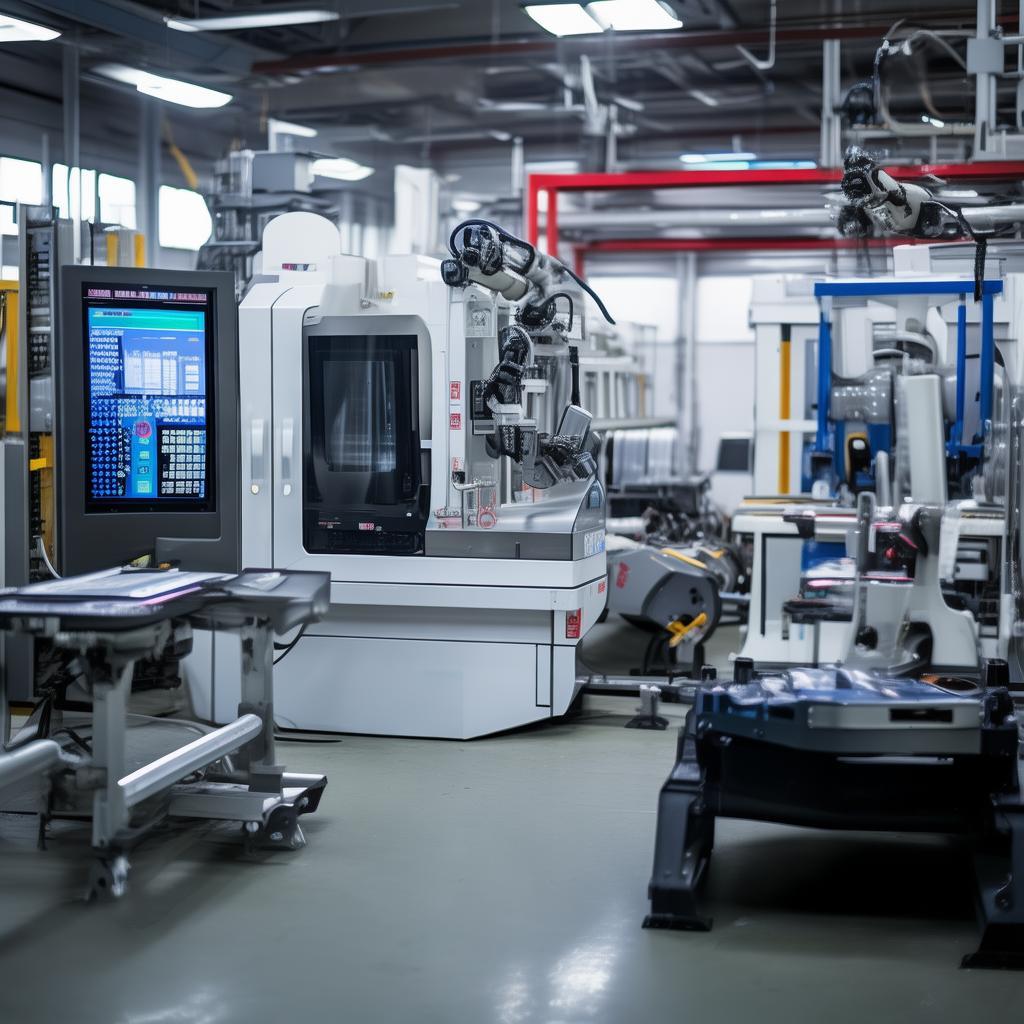
CNC machining center technical support
Product Overview: CNC Machining Center Technical Support for Stable, High-Throughput Production
CNC machining center technical support helps machine shops and industrial manufacturers keep CNC equipment reliable, accurate, and ready for production. In metalworking and precision manufacturing environments—where downtime directly impacts delivery schedules and unit costs—support teams troubleshoot controls, spindle and axis performance, tooling interfaces, and process parameters. The result is faster issue resolution, smoother ramp-up after maintenance, and consistent part quality across shifts.
Whether you operate a single machining cell or manage a fleet of CNC centers, our approach focuses on production continuity: clear diagnostics, documented corrective actions, and practical recommendations that reduce repeat faults.
Key Features
- Root-cause diagnostics for electrical, mechanical, and control-related faults—so problems are fixed once, not repeatedly.
- Machine health assessment covering spindle, servo/axis behavior, lubrication, and safety interlocks to prevent unexpected stoppages.
- Control and parameter guidance for reliable program execution, stable motion behavior, and predictable machining outcomes.
- Tooling and workholding interface checks to reduce tool wear variability, offsets drift, and setup inconsistencies.
- Maintenance documentation that improves internal handover, supports audits, and streamlines future troubleshooting.
- Production-focused recommendations that help align machining parameters, inspection routines, and downtime windows.
- Remote and on-site support coordination (as applicable) to shorten response time and keep dispatch decisions informed.
Technical Specifications
| Parameter | Specification |
|---|---|
| Supported focus areas | Control diagnostics, axis/servo behavior, spindle-related issues, tooling interface, work offset stability, alarms troubleshooting workflow |
| Troubleshooting approach | Symptom verification → alarm/code review → mechanical/electrical checks → control/parameter validation → corrective action documentation |
| Documentation deliverables | Fault summary, action log, recommended inspection/maintenance steps, and re-test guidance for stability |
| Training and handover | Operator guidance on relevant settings and safe checks; maintenance team handover for repeat fault prevention |
| Typical response workflow | Information collection (machine model, alarm codes, symptoms) → diagnosis plan → corrective actions → verification |
| Compatibility scope | CNC machining centers used in metalworking and precision manufacturing (model details confirmed during inquiry) |
Application Scenarios
- Repeat alarm cycles that interrupt jobs—support identifies the underlying cause and stabilizes machine behavior.
- Post-maintenance performance drift—verification ensures accuracy returns to expected levels before production resumes.
- Tool wear and surface finish variability—tooling and offset checks help reduce inconsistency between shifts and operators.
- Ramp-up on new parts/materials—parameter validation guidance improves first-pass stability and reduces scrap.
- Multi-machine production cells—standardized troubleshooting routines reduce downtime and improve maintenance handover.
Advantages
Compared with generic helpdesk notes or one-time repair-only visits, this CNC machining center technical support focuses on consistent production outcomes. Instead of only clearing alarms, the workflow prioritizes root cause, stable parameter behavior, and clear documentation that helps your team prevent recurrence.
This means less downtime spent guessing, fewer unplanned service cycles, and better traceability for engineering and procurement. You get a structured path from symptom to corrective action—supported by verification steps—so your machining center is returned to service with confidence.
For organizations managing international manufacturing timelines, the structured approach reduces disruption risk and supports smoother schedule planning. If you’re standardizing operations across sites, our guidance helps align troubleshooting practices and maintenance routines.
Why Choose Us
We work with industrial manufacturers and machine shops who require practical, production-ready answers—not vague troubleshooting. Our team emphasizes transparent communication, documented outcomes, and a collaborative mindset with your operators and maintenance engineers.
- Clear problem intake and a diagnosis plan aligned to your downtime constraints.
- Action logs and verification steps that support auditability and internal handover.
- Engineering-friendly guidance to help your team standardize settings and reduce repeat faults.
- International coordination capability for distributors and multi-site customers.
If you need dedicated CNC machining center technical support for a specific production line, tell us your machine model, typical alarms or symptoms, and target part requirements—we’ll propose a suitable troubleshooting and support plan.
FAQ
1) What information do you need to start CNC machining center technical support?
Machine model, control details (if available), alarm codes or symptoms, when the issue occurs, and recent maintenance or parameter changes. If you have photos/videos of the fault behavior, include them.
2) Can support help when the machine powers on but produces poor surface finish or accuracy issues?
Yes. The process includes verification of offsets, tooling/workholding interface, motion behavior, and relevant control settings to isolate whether the cause is process-related or machine-related.
3) Do you provide documentation for maintenance teams?
We provide a fault summary and action log, plus recommended inspection/verification steps so your team can confirm stability and reduce repeat downtime.
4) Is this support suitable for single machines or entire production cells?
Both. We can tailor the troubleshooting workflow to one center or coordinate standardized routines across multiple machines to improve consistency and scheduling.
5) How do you reduce the chance of the same fault returning?
By focusing on root cause, validating control/parameter behavior after corrective actions, and documenting re-test and preventative inspection guidance for your team.
If you’re looking for reliable, production-oriented assistance for CNC machining centers—especially when alarms, accuracy drift, or inconsistent machining outcomes are impacting throughput—contact us for an inquiry or a quotation request. Share your machine details and current challenges, and we’ll recommend the most effective support path.