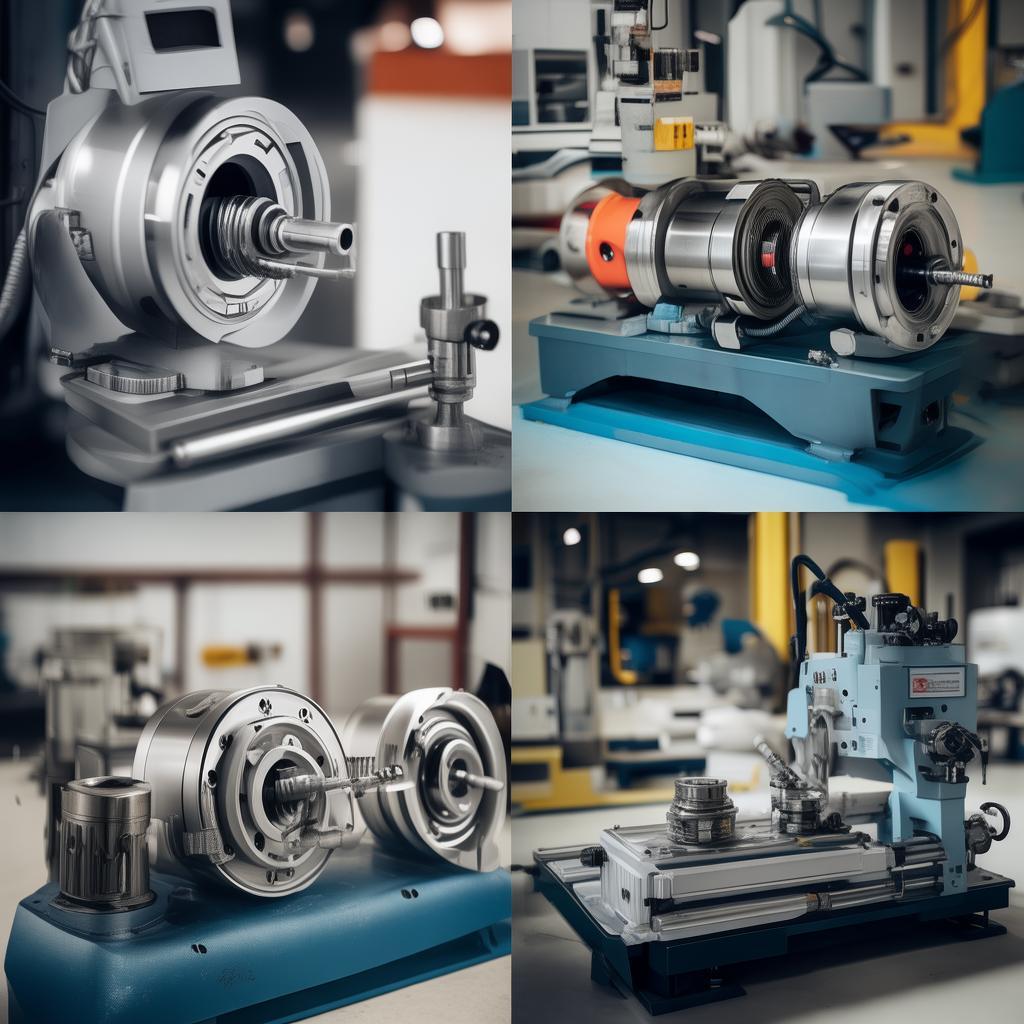
high torque CNC machining center
Product Overview
A high torque CNC machining center is a purpose-built CNC platform designed for stable, heavy-load metal cutting—where torque, rigidity, and thermal consistency directly impact productivity. In the industrial manufacturing sector (job shops, contract machining, and production lines for shafts, structural parts, and precision components), it helps machine difficult materials and demanding geometries with controlled feed and reliable tool life. This type of machining center is commonly specified by engineers when parts require deep pocketing, heavy face milling, and high material removal rates without sacrificing surface finish or dimensional stability.
Key Features
- Power to cut under load: Optimized drive and spindle control help maintain consistent performance during hard machining cycles and thicker cutting engagement.
- Rigid structure for repeatability: A robust frame and stabilized motion pathways support tighter tolerances on parts that see variable tool pressure across the program.
- Precision that holds during long runs: Thermal-aware design and stable positioning reduce drift across extended production batches.
- Productive tool handling: Efficient tool change and clear workholding integration reduce non-cut time and support multi-operation workflows.
- Control and diagnostics for uptime: User-friendly programming support and alarms help minimize troubleshooting time and protect process consistency.
- Built for demanding materials: Suitable for machining steels and common alloys used in industrial components, where cutting forces can spike.
- Process flexibility: The platform supports common milling and drilling strategies used for gears, housings, flanges, and structural parts.
Technical Specifications
Note: Actual configuration can vary by the machine build you select. Share your part drawings to confirm the final specification set.
| Parameter | Specification |
|---|---|
| Machine category | Vertical CNC machining center for heavy-duty metal cutting |
| Primary function | High-load milling, drilling, and machining of industrial parts |
| Spindle concept | Torque-oriented spindle control suitable for cutting under engagement |
| Axis drives | CNC-controlled linear motion with stabilized feedback |
| Workholding integration | Optimized for standard vises and fixture systems used in production machining |
| Tooling support | Tool magazine support for multi-operation cycle efficiency (configuration varies) |
| Control and interface | Industrial CNC control for consistent machining programs and diagnostics |
| Cooling and lubrication | Integrated systems for maintaining cutting stability during long cycles |
| Typical use environment | Fabrication, contract machining, and production plants machining metallic workpieces |
Application Scenarios
- Heavy milling of housings and gearbox components where load varies across the pocketing path.
- Production machining of shafts, flanges, and structural parts that require stable finishing after high material removal.
- Machining mixed-material batches (common industrial alloys) where process reliability across parts matters.
- Multi-operation programs combining milling and drilling to reduce setups in job shop workflows.
- Long-run batch production where thermal consistency and repeatable tool paths improve throughput and yield.
Advantages
Compared with generic CNC routers or light-duty machining platforms, this class of heavy-duty machining center is engineered for cutting stability under higher engagement. The result is a practical advantage for procurement: fewer cycle interruptions, more consistent machining results during demanding toolpaths, and a stronger match for industrial part families that stress rigidity and torque delivery.
- Better process confidence when cutting forces fluctuate—reducing rework and scrap risk.
- Higher effective productivity through smoother toolpath execution and reliable multi-operation sequencing.
- Improved long-run stability, supporting consistent dimensions across production lots.
- Reduced dependence on operator compensation by delivering a more repeatable machining platform.
Why Choose Us
We support international buyers with a focus on what impacts time-to-production: configuration alignment, documentation clarity, and responsive after-sales communication. When you choose our machining solution line, you benefit from:
- Clear quotation and scope definition, including recommended options for your specific part requirements.
- Practical guidance for workholding, tooling strategy, and process planning to reduce ramp-up delays.
- Supply chain support for cross-border procurement and delivery scheduling.
- After-sales responsiveness focused on uptime—troubleshooting support and service coordination when needed.
- A quality-first approach to machine packaging and commissioning preparation for safe installation.
If you have specific requirements (accuracy class, controller preferences, spindle options, or automation), share them and we’ll confirm fitment before you commit.
FAQ
1) Is a high torque CNC machining center suitable for my steel and alloy parts?
Yes—these machines are typically selected for industrial metal cutting where torque delivery and rigidity help maintain stable performance during higher engagement operations.
2) What makes this different from a standard vertical machining center?
The main distinction is the ability to sustain demanding cutting conditions with a more torque-focused process envelope and a platform designed to resist deflection and instability under load.
3) Can the machine handle multi-operation programs with milling and drilling?
Yes. Tool management and industrial CNC control support sequential machining cycles, allowing you to consolidate operations and reduce setups.
4) How do I confirm the right configuration for my workload?
Send part drawings, material type, target tolerance, and your planned toolpaths (or at least typical features). We’ll recommend the best setup for the load profile and production cycle.
5) What should I prepare before installation and commissioning?
Provide facility details (power, foundation/leveling considerations, and cooling water/air requirements if applicable) and your chosen workholding and tooling plan so commissioning aligns with your production needs.
Ready to evaluate fit for your parts? Share your material, dimensions, and production targets, and we’ll help you select the right heavy-duty CNC configuration—request a quote or send an inquiry today.