
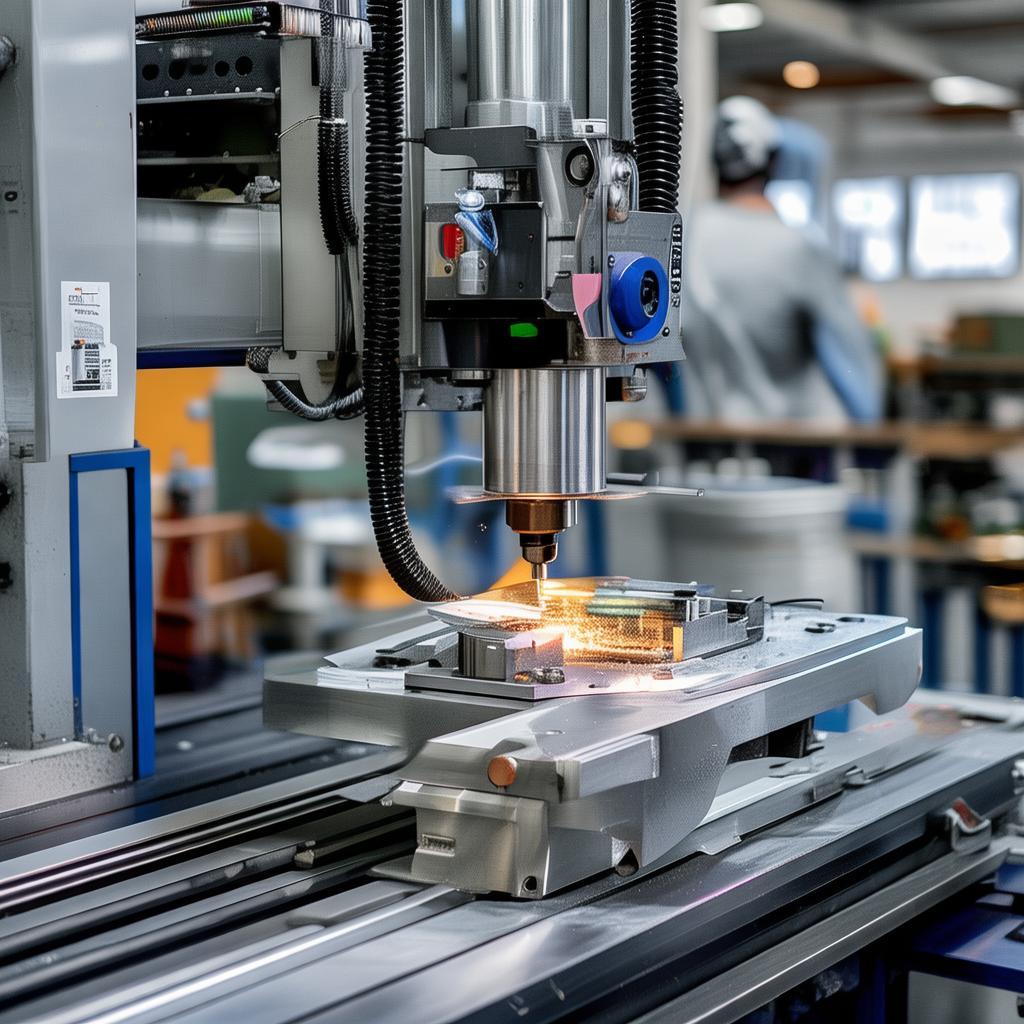
CNC plasma cutting automation
Product Overview: CNC Plasma Cutting Automation for High-Throughput Fabrication
CNC plasma cutting automation is engineered for industrial metal fabrication shops that need consistent cut quality, repeatable tolerances, and reduced labor dependency. By integrating CNC motion control, torch height management, part programming workflows, and automated material handling options, this system helps you transform CAD/CAM designs into production-ready cut parts with less downtime and fewer manual interventions. Typical uses include structural steel components, enclosures, skid frames, and batch production runs where speed and reliability directly impact throughput and profitability.
Key Features
- Process repeatability you can scale: Standardized toolpaths and coordinated control reduce variability across shifts and operators.
- Faster production changeovers: CAD/CAM workflows and programmable cutting logic support quicker part setup for new batches.
- Stable cut quality: Automated torch height and motion coordination help maintain consistent pierce and cut conditions.
- Reduced rework and scrap: Built-in repeat checks and structured programming guidance help minimize missed features and alignment issues.
- Designed for industrial use: System architecture supports continuous operation environments common in fabrication and manufacturing.
- Integration-ready automation: Compatibility with common production needs—workpiece positioning, sequencing, and shop-floor workflows—helps you expand capacity over time.
- Operator-friendly programming: CAM-to-control connectivity and guided parameter sets reduce learning time for new users.
Technical Specifications
| Parameter | Specification |
|---|---|
| Control method | CNC numeric control with coordinated axis motion for automated torch travel |
| Cut path input | CAM/CAD-generated toolpaths (typ. in industry-standard CNC formats) |
| Torch height management | Automated torch height control to maintain stable cut conditions |
| Automation workflow | Sequenced cutting programs for repeat batches and reduced manual handling |
| Material handling options | Configurable integration options (e.g., fixturing, positioning workflows, staging) |
| Typical operating environment | Industrial metal fabrication facilities with shop-floor continuous usage |
| Safety and guarding approach | Machinery safety provisions and operational controls aligned with fabrication needs |
Application Scenarios
- Structural steel and frame components: automate repeated plate cutting patterns to stabilize output for project schedules.
- Equipment housings and enclosures: improve consistency across varied panel lots while reducing operator-driven variation.
- Skid frames and brackets: streamline multi-part nesting and sequencing for efficient batch throughput.
- Distributor and contract fabrication: standardize job execution so customer specs are met consistently across runs.
Advantages
Compared with generic cutting setups and semi-automated tooling, a purpose-built CNC plasma cutting automation approach improves production discipline. You get tighter control over cutting sequencing, more consistent torch behavior, and a structured path from programming to execution. This reduces the “trial-and-adjust” cycle during job launches and limits costly rework when drawings change. When your shop runs multiple part families, the system’s workflow orientation helps keep throughput predictable—so procurement can justify capital spend with clearer planning and less process uncertainty.
Why Choose Us
We support metal fabrication customers with a delivery-and-integration mindset focused on uptime and repeatable results. Our process typically includes:
- Clear specification review to align the automation solution with your part types and production workflow.
- Practical implementation guidance for programming handoff and shop-floor operation.
- Responsive technical support designed for production environments where downtime impacts delivery dates.
- Documentation and commissioning support to help your team reach stable performance quickly.
If you can share your typical part thickness range, material types, batch sizes, and current cutting process, we can propose an automation configuration that fits your targets. For procurement teams evaluating CNC plasma cutting automation, we focus on transparent fit-for-purpose planning rather than one-size-fits-all claims.
FAQ
1) What does CNC plasma cutting automation change in my workflow?
It standardizes the path from CAD/CAM programming to execution, improving repeatability and reducing manual setup and mid-run adjustments.
2) Can this be integrated with our existing production planning and job sequencing?
Yes—automation logic can be structured around your batch runs and part families, and material handling workflows can be configured to match shop-floor practices.
3) How do we manage programming changes when drawings are updated?
You update toolpaths in your CAM workflow and re-run the program logic. The goal is to minimize uncertainty so changed jobs launch faster with fewer trial cuts.
4) Is this suitable for both small and large production batches?
Yes. For large batches it maximizes throughput consistency; for smaller lots it reduces operator variability and shortens setup time between part families.
5) What information do you need to quote the right automation configuration?
Share typical material types, thickness range, part sizes, annual volume or monthly batch profile, and any integration requirements (fixturing, staging, or production sequencing).
Ready to move from manual variability to repeatable output? Contact us to request a quotation and automation layout review for your CNC plasma cutting automation project—we’ll help map your requirements to a practical configuration your team can run confidently.