
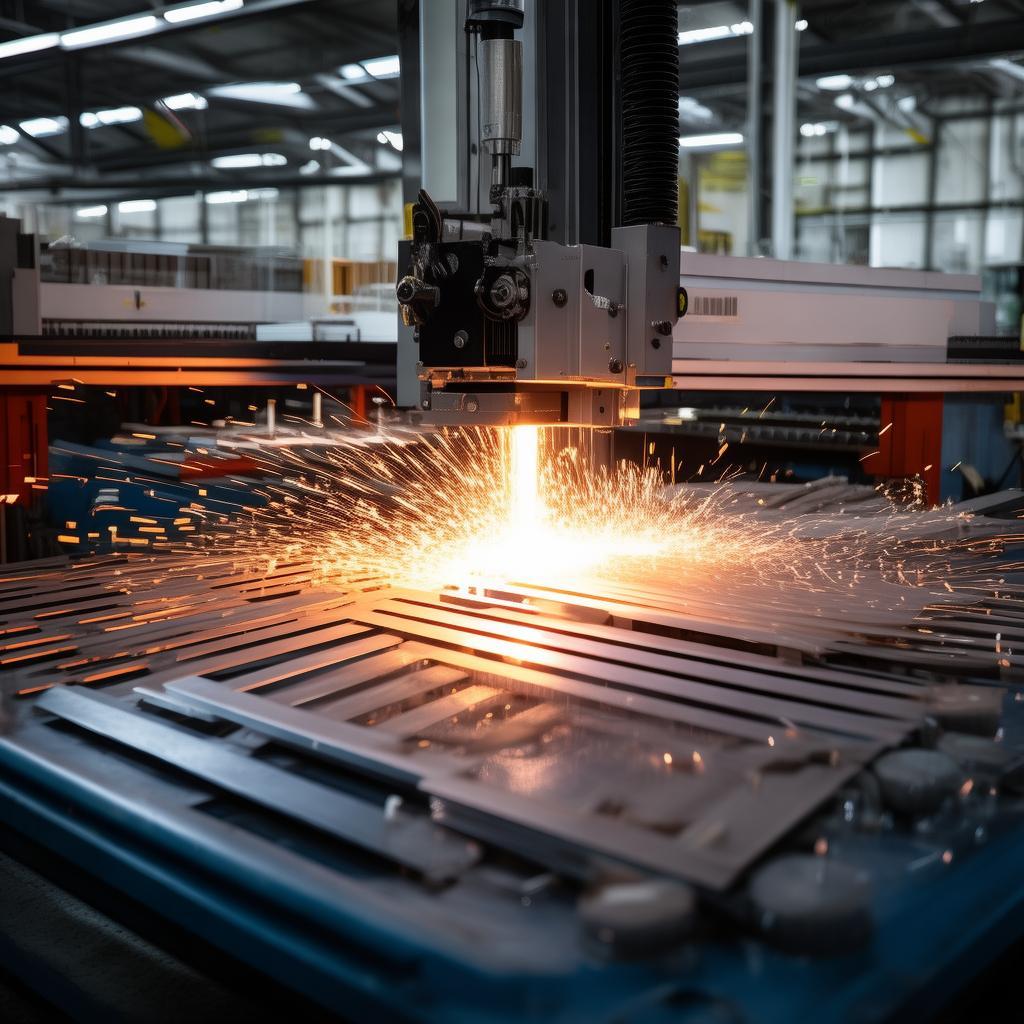
CNC plasma cutting machine specifications
Product Overview
A CNC plasma cutting machine is an industrial solution for precision cutting of conductive metals using a computer-controlled torch and motion system. Built for fabrication shops, metalworking contractors, and industrial manufacturers, it converts CAD/CAM toolpaths into consistent, repeatable cuts for plates, structural components, and production parts. This page covers the CNC plasma cutting machine specifications that procurement and engineering teams look for when selecting a system for throughput, accuracy, and long-term maintainability.
With a focus on practical industrial requirements—cut quality, torch height control stability, reliable motion components, and safety-oriented operation—you can evaluate machine capabilities using the CNC plasma cutting machine specifications table below, then match the system to your materials, thickness range, and production workflow.
Key Features
- CNC-ready cut accuracy: Motion and control design supports stable torch positioning for consistent part edges and predictable fit.
- Height control for material variability: Keeps the torch at the proper standoff to reduce bevel variation and improve repeatability.
- Production-friendly workflow: Streamlined program loading, job repeatability, and straightforward setup help reduce operator time per batch.
- Industrial-grade motion system: Designed for continuous use with rigid structural support to maintain straightness over longer runs.
- Parts versatility: Capable of straight cuts, contour cutting, and nested plate production for sheet metal and structural work.
- Safety and protection focus: Practical safeguards and robust operation logic support safer day-to-day use on the shop floor.
- Serviceability for uptime: Built to simplify routine maintenance so scheduled servicing doesn’t derail delivery schedules.
Technical Specifications
Use the table to compare against your required production envelope. These items represent the typical CNC plasma cutting machine specifications procurement teams validate before ordering.
| Parameter | Specification |
|---|---|
| Working area | Plasma cutting table workspace sized to your order (common plate production formats supported) |
| Applicable materials | Conductive metals (e.g., carbon steel and other supported ferrous/non-ferrous materials depending on plasma configuration) |
| Torch system | Plasma torch with integrated consumables interface (configuration based on voltage/current needs) |
| Torch height control | Arc/height sensing system for maintaining proper cutting standoff |
| Motion axes | Multi-axis CNC gantry motion (typically X/Y positioning for planar cutting) |
| Drive system | Industrial motor/drive assemblies matched to travel length and production requirements |
| Control software & interface | CNC controller with job management and standard programming workflow (CAD/CAM output supported) |
| Cutting modes | Straight and contour cutting; nested parts production capability |
| Gas & filtration integration | Support for compressed gas supply and shop extraction interfaces as required by your facility |
| Power & environment requirements | Configurable to your plant’s supply and ambient conditions (we confirm site requirements during RFQ) |
Application Scenarios
- Plate fabrication for structural builds: Cut frames, brackets, and base plates with repeatable geometry across batches.
- Custom machine housing and enclosures: Produce one-off or low-volume contours with controlled cut paths.
- HVAC duct and metal fabrication work: Nest parts to reduce material waste and speed up job changeovers.
- Industrial parts for manufacturing supply chains: Support consistent edge quality for downstream welding and assembly operations.
Advantages
When you compare this system to generic alternatives, the advantage is not only “cutting ability,” but the overall match between the machine design and how real fabrication teams run jobs—setup time, reliability, and control stability. Instead of relying on broad claims, you can evaluate the most relevant CNC plasma cutting system considerations using the same style of CNC plasma cutting machine specifications validation approach in your RFQ process.
- More predictable performance across long runs through a rigid, shop-ready mechanical layout.
- Better cut consistency via torch height control and stable CNC positioning logic.
- Lower operational friction with a workflow designed for day-to-day production environments.
- Easier maintenance planning through service-oriented design and clear operational practices.
Why Choose Us
We support international buyers with procurement-focused communication and manufacturing-minded guidance. Our goal is to help you purchase confidently by matching machine configuration to your material types, thickness range, and required throughput—so your final order aligns with how you plan to use the equipment on-site.
- Responsive RFQ handling with clear clarification questions on workspace, materials, and utility constraints.
- Transparent documentation and practical handover information for smooth commissioning.
- Ongoing support options to help your team ramp up production with fewer delays.
If you need the exact CNC plasma cutting machine specifications for a specific configuration (table size, control package, torch setup, and power/gas requirements), we can prepare a tailored proposal for your application.
FAQ
1) How do I choose the right machine size and cutting envelope?
Start with your largest typical plate dimensions and the part nesting strategy you plan to use. Share your work size and production mix so we can recommend a compatible table workspace.
2) What inputs do you need to confirm the correct plasma and control configuration?
Tell us your material types, thickness range, target production rate, available plant power, and gas supply. Then we align the torch/height-control setup and control workflow to your needs.
3) Will the machine support CAD/CAM nesting workflows?
Yes. The controller is designed for standard programming flows from CAD/CAM output. During commissioning, we help ensure your typical formats and job setup practices work smoothly.
4) What affects cut quality the most?
Key factors include torch standoff control stability, correct consumables selection, proper gas supply, correct job parameters, and consistent CNC path execution for the part geometry.
5) How do maintenance and consumable replacement work in production?
We provide operational guidance for routine checks and consumable change procedures to keep downtime predictable and to support consistent daily production.
Ready to match the machine to your production needs? Send your material types, thickness range, and preferred table/workspace size for a tailored quote—then we’ll align the recommended configuration with the critical CNC plasma cutting machine specifications you care about.