
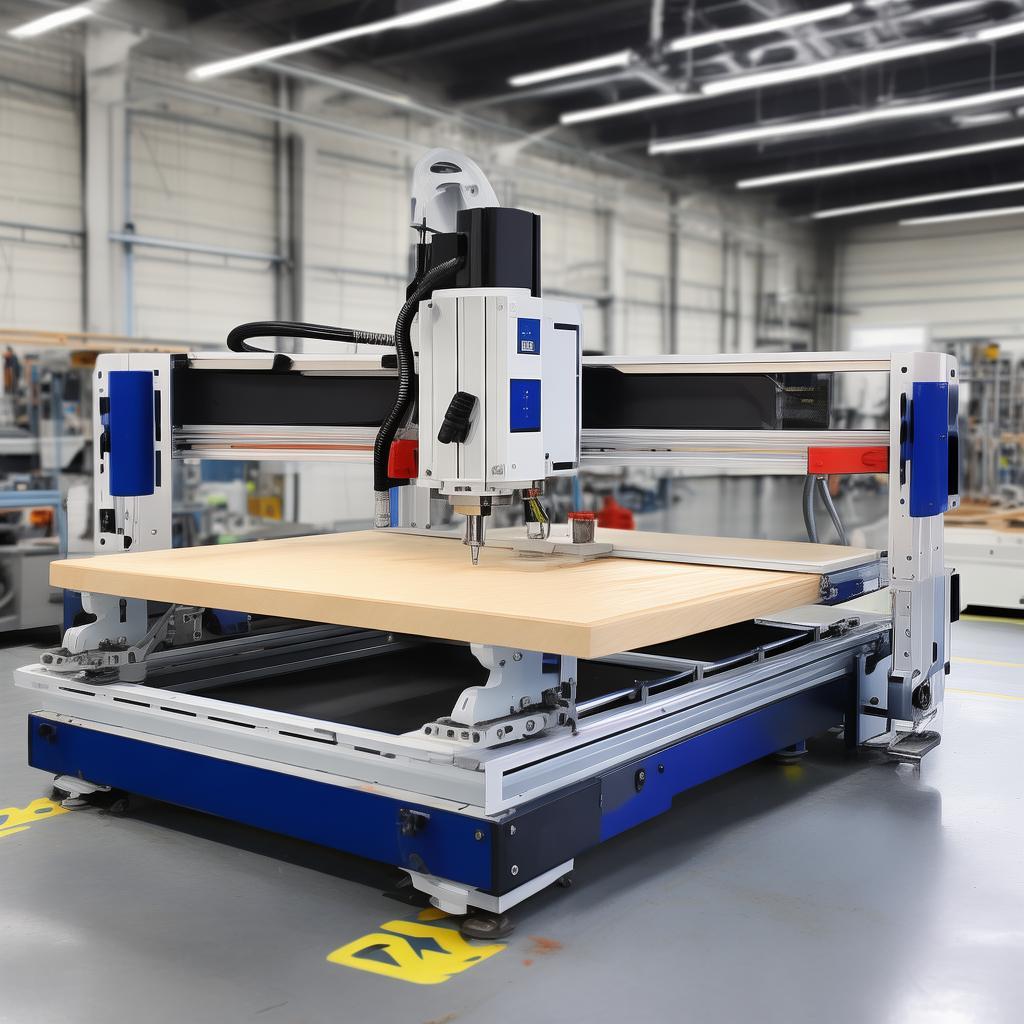
high definition plasma cutting
Product Overview — High Definition Plasma Cutting for Precision Fabrication and Welding Shops
High definition plasma cutting is a precision thermal cutting process engineered for the manufacturing industry—especially job shops, fabrication workshops, and steel service centers that need clean edges, tight tolerances, and repeatable results. By delivering controlled, high-energy plasma arcs and stable cutting paths, this system helps reduce rework, improves fit-up for welding, and accelerates plate and profile production. Whether you’re processing mild steel, stainless steel, or aluminum components, the goal is consistent accuracy at production speed with dependable automation-ready operation.
Key Features
- Sharper cut quality for straighter edges and better surface finish—supporting downstream forming, welding, and assembly.
- Stability for repeatable parts so production lots stay consistent, even when cutting different thickness ranges.
- Higher detail capability for intricate profiles, brackets, and structural components that demand accurate contours.
- Process efficiency that helps minimize slag, post-grinding time, and material waste—improving overall throughput.
- Cleaner workflow with reduced spatter and improved kerf consistency, helping operators maintain predictable results.
- Automation-friendly operation designed for integration with CNC tables and production layouts used in metal fabrication lines.
- Built for industrial duty cycles with a focus on dependable operation and maintainability in workshop conditions.
Technical Specifications
| Parameter | Specification |
|---|---|
| Cutting process | Plasma cutting with high precision arc control |
| Recommended material types | Mild steel, stainless steel, and aluminum (application-dependent) |
| Control & integration | CNC/automation-ready operation (system setup required) |
| Operating modes | Manual production support and CNC-based cutting workflows |
| Cut quality focus | Fine kerf consistency, improved edge definition, reduced post-processing |
| Gas considerations | Plasma gas supply management required; parameters depend on material and thickness |
| Maintenance approach | Serviceable wear parts and routine inspection guidance for consistent performance |
Application Scenarios
- Structural fabrication: cutting beams, plates, and brackets where straight edges and repeatable part geometry reduce welding time.
- Architectural metalwork: producing clean profiles for frames and panels with less edge finishing work.
- Truck, trailer, and equipment components: forming accurate cutouts for mounting points and assemblies in demanding production cycles.
- Steel service centers: enabling quick, consistent part production that helps manage throughput without sacrificing edge quality.
Advantages
If you’re comparing this setup against generic plasma cutting solutions, the difference is typically visible in edge definition, kerf uniformity, and how reliably the system reproduces fine features across production runs. High-definition plasma cutting-style workflows are designed to support engineering-level requirements—where dimensional accuracy and surface finish influence the speed and cost of downstream welding and finishing.
Instead of settling for rougher cuts that demand significant grinding or rework, this approach helps you deliver parts that fit together more predictably. The result is improved shop efficiency: fewer interruptions, tighter tolerances, and better consistency from operator to operator and from job to job.
Why Choose Us
We support procurement teams and production managers with a practical, manufacturing-focused supply approach: clear application guidance, responsive communication, and documentation designed for international trade and shop deployment. You can also count on continued support during commissioning planning—so your team can ramp production without guesswork.
- Process-oriented recommendations based on your materials, thickness range, and output targets.
- Exchange-ready consumables and spare parts planning to reduce downtime risk.
- Operational guidance that supports stable results for CNC workflows and repeated part runs.
- Reliable procurement handling for cross-border orders and delivery scheduling.
FAQ
Q1: What materials can this high definition plasma cutting system handle?
It’s commonly used on mild steel, stainless steel, and aluminum, with exact results depending on thickness, gas setup, and cutting parameters.
Q2: Will this improve edge finish and reduce grinding?
The process is designed to deliver cleaner edges and more consistent kerf geometry, which often reduces post-processing requirements compared with less precise cutting approaches.
Q3: Can we integrate it with our existing CNC table?
Yes—this type of plasma cutting solution is typically intended for CNC/automation workflows. We’ll help confirm interface requirements and production setup considerations.
Q4: How does high definition plasma cutting affect production throughput?
By improving cut consistency and reducing rework, it can help shorten the overall production cycle—even when the job includes detailed profiles or repeat runs.
Q5: What do you need from us to recommend the right configuration?
Share your target materials, thickness range, part geometry type (simple plates vs. intricate profiles), and your current cutting workflow. We’ll align the setup for your production goals.
Ready to evaluate a precision plasma solution for your shop’s next production cycle? Contact us for a quotation request and application review—our team will help you match the cutting workflow to your materials, outputs, and quality requirements.