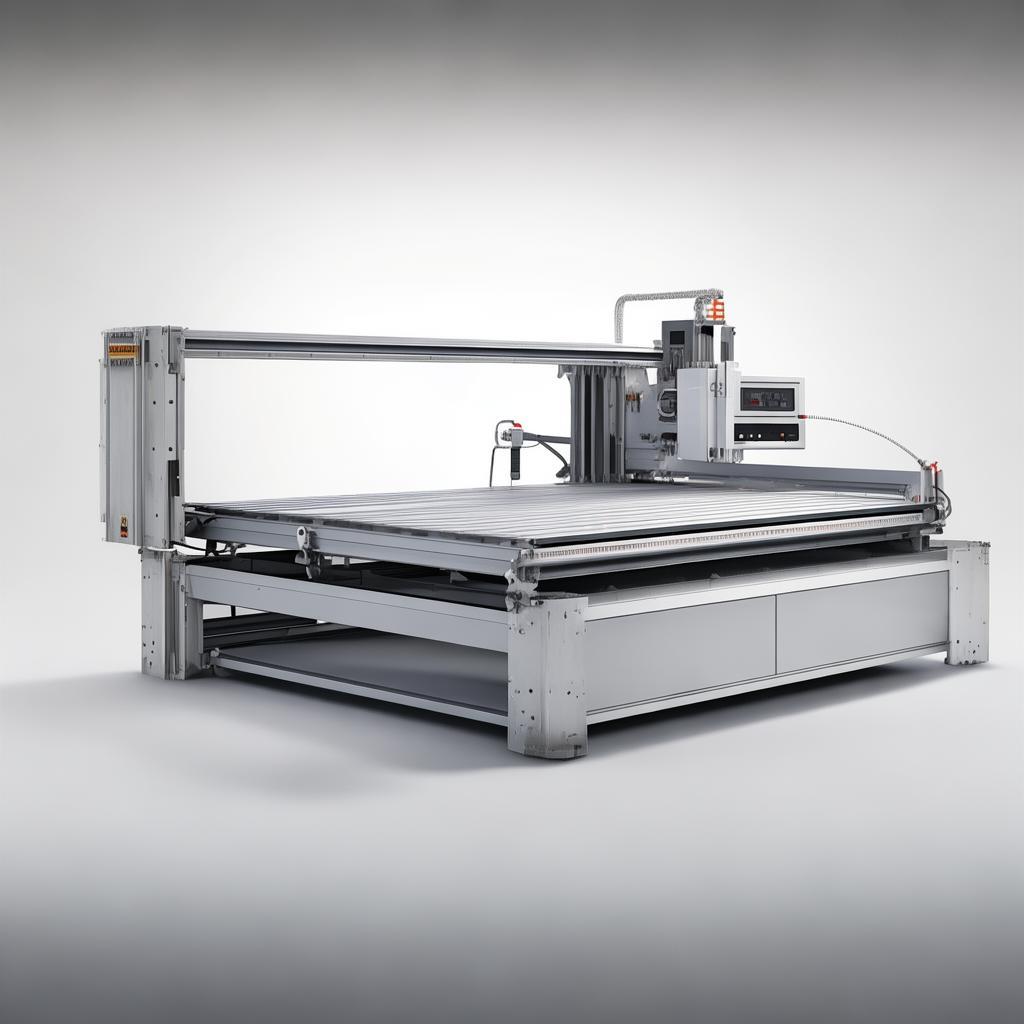
CNC router for metal
Product Overview
A CNC router for metal is a computer-controlled cutting machine designed to machine metal components with repeatable accuracy, efficient toolpaths, and stable production workflows. In the metal fabrication and manufacturing sector, it supports tasks such as contour cutting, pocketing, drilling, engraving, and precision profiling—helping shops reduce manual setup, shorten lead times, and standardize part quality across production runs.
Built for job shops, fabrication lines, and engineering teams, this type of CNC router focuses on practical performance: consistent cutting results, rigid mechanical behavior, dependable software workflow, and safe integration with your tooling and material handling process.
Key Features
- Rigid cutting platform that helps maintain stability during routing operations for cleaner edges and more consistent dimensions.
- Efficient toolpath control to support common metalworking workflows like drilling cycles, pocketing, and profile cutting with reduced rework.
- Repeatable production capability enabling consistent results from batch to batch—ideal for recurring parts and multi-quantity orders.
- Operator-friendly workflow that streamlines programming, job setup, and on-machine verification for faster changeovers.
- Material versatility suitable for a range of metal applications, from structural components to custom brackets and prototypes.
- Process-minded safety and guarding designed to support shop-floor use, helping protect personnel and improve operational confidence.
- Serviceable architecture aimed at practical maintenance—so your production schedule stays on track.
Technical Specifications
Note: Specifications may vary by configuration. Share your required work envelope, metal thickness range, and production targets for a precise quotation.
| Parameter | Specification |
|---|---|
| Work Area (X/Y) | Configurable based on production needs |
| Z-Axis Travel | Configurable for tooling and part clearance |
| Spindle Options | Multiple power/speed configurations available |
| Drive & Control | CNC control system with standard G-code support (configuration-dependent) |
| Positioning Resolution | Configuration-dependent for target accuracy |
| Typical Cutting Operations | Routing, pocketing, contouring, drilling/boring, engraving |
| Dust/Chip Management | Recommended coolant/air extraction integration for shop workflow |
Application Scenarios
- Prototype and low-volume parts: produce accurate test pieces quickly while adjusting CAD-to-part workflows.
- Fabrication pre-processing: cut and profile metal plates and brackets to reduce downstream manual fitting time.
- Batch production: run repeatable cycles for recurring components such as housings, enclosures, and mounting plates.
- Custom tooling and jigs: machine hardened workpiece profiles and fixtures requiring tight consistency across sets.
- Signage and decorative metalwork: combine engraving and profiling for branded components and industrial labels.
Advantages
Compared with generic hobby-focused CNC machines or underspecified platforms, an industrial-grade CNC router for metal delivers a more production-ready balance of rigidity, workflow control, and operational confidence. This helps reduce tool breakage risk, improve edge quality, and minimize rework caused by inconsistent cutting behavior.
- Better stability for routing and profiling operations, supporting cleaner finishes and tighter part-to-part consistency.
- Practical control workflow that aligns with how engineers and operators plan jobs, simulate toolpaths, and verify outputs.
- More shop-friendly integration options for chip and dust management, improving throughput and safety.
- Designed for maintenance access and dependable day-to-day use—reducing downtime beyond the initial install.
Why Choose Us
We supply CNC routing solutions for industrial fabrication needs, with a focus on matching the machine configuration to your part geometry, material type, and production workflow. Our approach is procurement-friendly: clear communication, documented recommendations, and support that helps you move from quotation to commissioning with fewer surprises.
- Transparent configuration guidance aligned to your work envelope and cutting tasks.
- Responsive pre-sales and post-install technical support to reduce ramp-up time.
- Documentation and operator-ready guidance to support training and standardization.
- Supply-chain planning suitable for international buyers and distributors.
FAQ
1) What metals can this CNC router handle?
A metal-capable CNC router is typically configured for specific material classes and thickness ranges. Share your target metals (e.g., aluminum, steel, stainless) and thickness to confirm the recommended spindle and tooling approach.
2) Is a CNC router for metal suitable for production runs or just prototypes?
It can support both. For production, the key is selecting the right rigidity, spindle configuration, and workflow setup so cycle times and part consistency meet your schedule.
3) What software or file types are supported?
Most industrial setups support standard G-code workflows. Let us know what CAM system you use and whether you need job templates or post-processor guidance.
4) How do we ensure clean edges and fewer tool changes?
We recommend matching the tool type, spindle configuration, and chip management method to your material and operation type. With correct setup, a CNC router for metal can deliver stable cut quality with fewer interruptions.
5) What do you need from us to provide an accurate quotation?
Your required work area, maximum part dimensions, metal types and thicknesses, target output volume, and preferred cutting operations. If you have sample drawings or routing samples, that speeds the selection process.
If you’re evaluating a metal routing solution for upcoming jobs, request a quotation and configuration review. We’ll help align the machine setup—envelope, spindle/tooling expectations, and workflow needs—so your CNC router for metal investment supports reliable production outcomes from day one.