
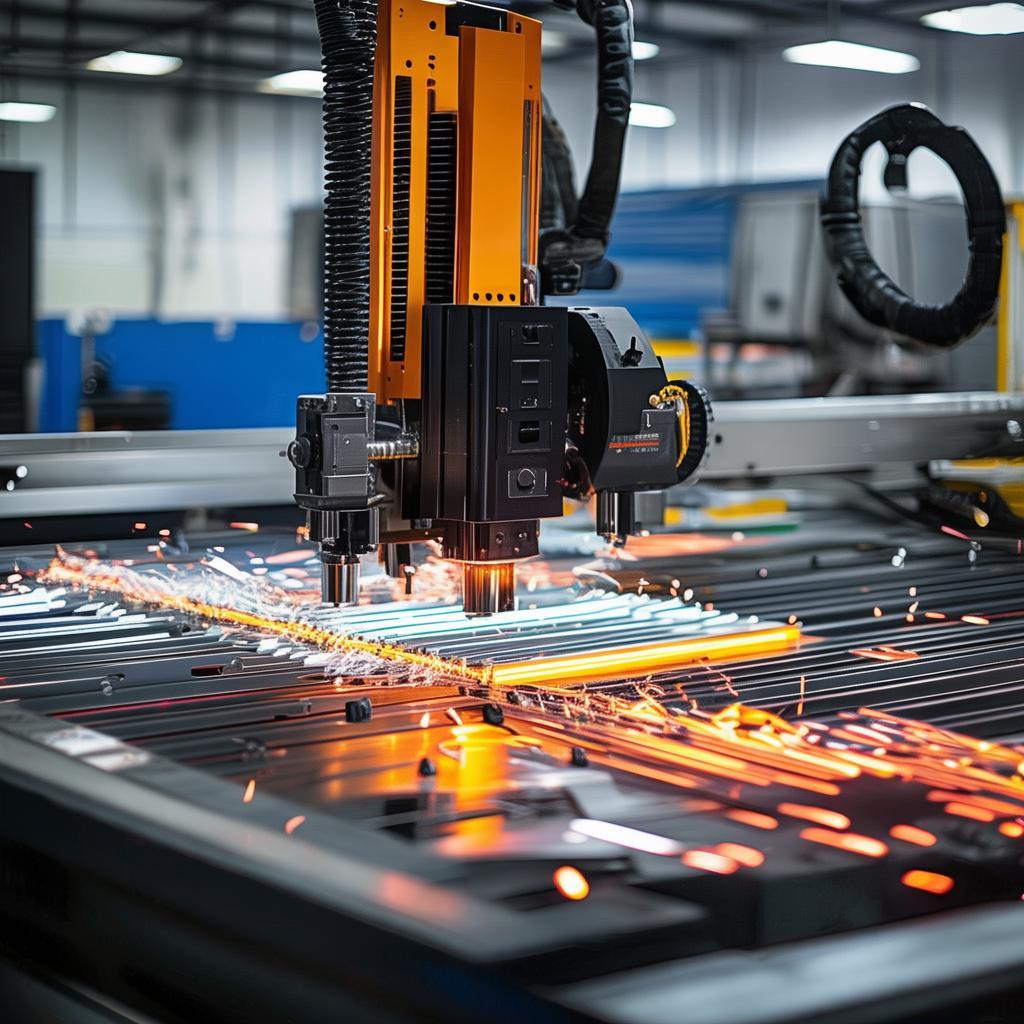
CNC router for plastic
Product Overview
A CNC router for plastic is a computer-controlled cutting and engraving machine designed to machine non-metal materials with repeatable accuracy. In the plastics fabrication and sign-making industries, it’s commonly used to turn CAD/CAM designs into precision parts—such as protective panels, decorative components, and prototype fixtures—while maintaining consistent tolerances across production runs.
This type of router supports efficient panel and profile processing, enabling manufacturers and engineering teams to reduce manual rework, shorten lead times, and scale output from one-off projects to series manufacturing.
Key Features
- Clean, controlled cutting for acrylic, PVC, HDPE, and similar plastics—helping minimize edge chipping and reduce finishing time.
- Stable motion and positioning to support detailed engravings, tight contours, and repeatable part geometry across multiple jobs.
- CAM-friendly workflow that integrates standard CAD/CAM data for efficient nesting, toolpath optimization, and predictable production planning.
- Process versatility for routing, profiling, and engraving—useful in prototyping, production, and job-shop environments.
- Production uptime focus with straightforward operation and consistent cycle behavior for daily manufacturing use.
- Operator-friendly setup to speed changeovers between materials, thicknesses, and part designs.
- Dust and chip management ready configuration options to help keep cutting zones cleaner and maintain quality during longer runs.
Technical Specifications
| Parameter | Specification |
|---|---|
| Machine type | CNC router for plastics cutting, profiling, and engraving |
| Supported materials | Acrylic (PMMA), PVC, HDPE/PE, polycarbonate (where appropriate), and similar plastics |
| Software workflow | CAD/CAM toolpaths with standard CNC program import |
| Control | Computer numerical control with multi-axis motion |
| Cutting/engraving modes | 2D routing, profiling, and 3D engraving (depending on configuration) |
| Repeatability approach | Designed for consistent positioning across production batches |
| Typical production use | Sign and display components, protective housings, prototypes, and machined plastic parts |
| Configuration | Built-to-order options for work area, tooling strategy, and chip extraction |
Note: Final configurations (work area, spindles, and tooling options) should be selected based on your plastic types, part dimensions, and production targets.
Application Scenarios
- Retail signage and display panels: route lettering and shapes from acrylic/PVC for fast regional fulfillment.
- Protective housings and covers: produce consistent cutouts and profiles for equipment enclosures and machine guards.
- Engineering prototypes: engrave and trim functional plastic prototypes to validate fit before production tooling.
- Jigs and fixtures: create repeatable template components for assembly lines and packaging systems.
- Custom consumer and industrial parts: manufacture batch orders with uniform geometry using repeatable CNC toolpaths.
Advantages
Choosing the right router for plastic fabrication is less about one headline spec and more about how reliably the machine produces usable edges, stable contours, and repeatable parts in real production conditions.
- Better outcomes than “generic” desktop-style routers when you need consistent part quality across repeat batches.
- More predictable machining results because the setup and workflow are designed for plastics routing and engraving use cases.
- Improved throughput versus manual cutting/hand finishing due to repeatable CNC toolpaths and reduced rework risk.
- A more scalable approach for manufacturers that need to move from prototyping to production without changing processes.
Why Choose Us
We support procurement and engineering teams with a focus on delivery readiness, practical documentation, and long-term maintainability for plastic machining operations.
- Procurement-friendly process: clear order confirmation, configuration planning, and operational guidance.
- Knowledgeable technical support to help align machine setup with your materials and part requirements.
- Serviceability mindset: designed for practical maintenance workflows in distributor and manufacturing environments.
- Application-oriented recommendations for tooling strategy and production planning (based on your use case).
If you share material type(s), thickness range, and part size, we can advise the most appropriate configuration for your plastic router projects.
FAQ
Q1: Which plastics can this CNC router handle?
Most configurations are intended for acrylic, PVC, and common engineering plastics. For polycarbonate and specialty materials, we recommend confirming tooling and cutting parameters with your supplier to match your application needs.
Q2: Is a CNC router for plastic suitable for both engraving and through-routing?
Yes—depending on the tooling approach and configuration, you can perform 2D contour routing and detailed engraving workflows on the same platform.
Q3: What should I consider when choosing a work area size?
Match your largest part dimensions and typical nesting strategy. A properly sized work envelope reduces part handling, improves throughput, and helps keep production schedules on track.
Q4: How do I avoid edge chipping or surface melt on plastics?
Edge quality is driven by tooling selection, spindle speed/feeds, chip evacuation, and toolpath strategy. Share your material and target finish so we can recommend a suitable setup for a CNC router for plastic use case.
Q5: Can I scale from prototypes to production with the same process?
In many manufacturing workflows, yes. The strength of a CNC router lies in repeatable toolpaths and standardized work instructions, which helps move from trial parts to consistent production output.
Ready to evaluate a CNC router solution for your plastic machining workflow? Send your part drawings, material types, and approximate production volumes for a tailored quotation and configuration recommendation.