
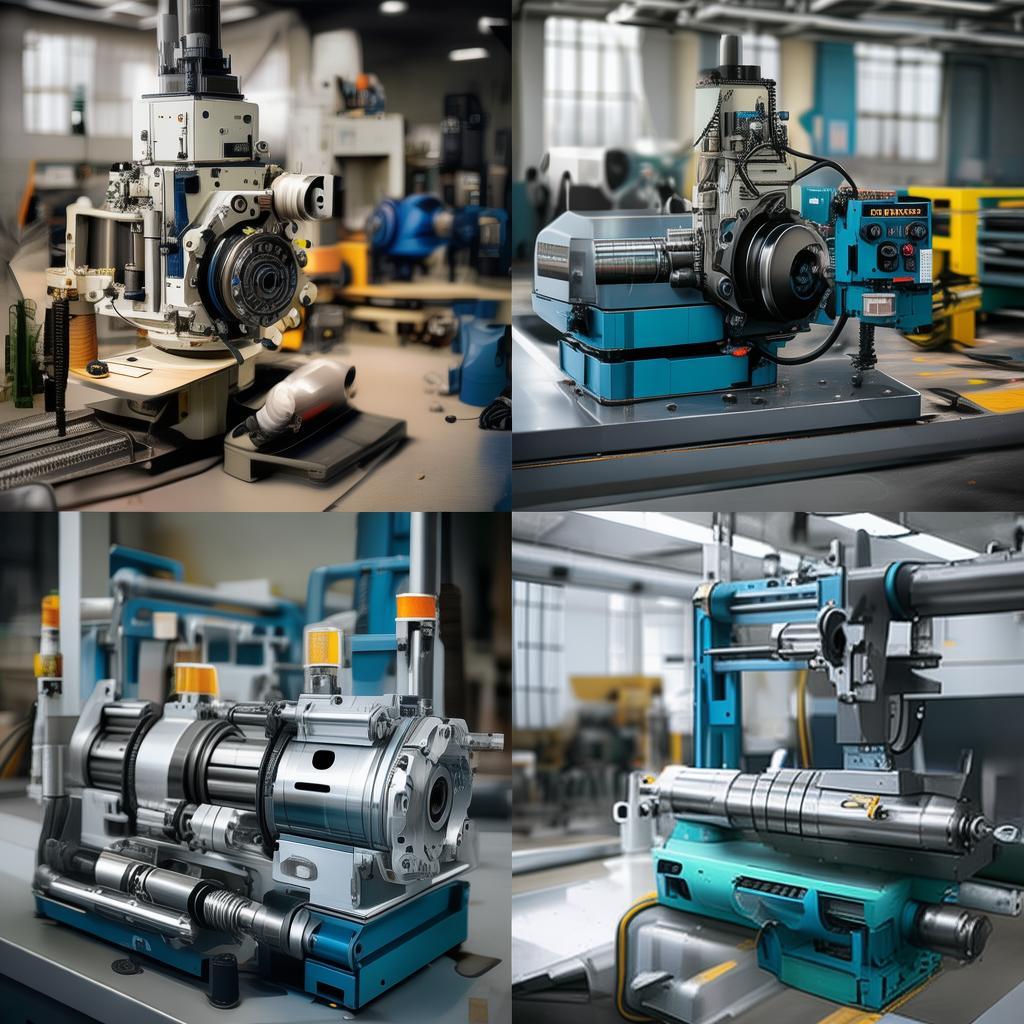
CNC router machine with vacuum table
Product Overview
A CNC router machine with vacuum table is designed for precise, repeatable machining of sheet materials and board components by combining multi-axis routing with stable workholding. This type of equipment is widely used in the woodworking, furniture manufacturing, signage, and light industrial fabrication sectors where flatness, edge quality, and cycle consistency directly impact throughput and scrap rates. By using vacuum suction to hold the workpiece firmly during cutting, routing, engraving, and drilling, the system helps maintain accuracy even on porous or slightly uneven panels. For procurement teams and shop-floor engineers, the result is a controllable process for high-volume part production without the hassles of frequent mechanical clamping.
Key Features
- Consistent workholding keeps sheets flat and positioned, helping reduce misalignment, chatter, and rework.
- Faster loading and changeovers compared with traditional clamping setups—ideal for multi-SKU production runs.
- Better surface protection helps minimize clamp marks and supports clean finishing on visible components.
- Support for diverse materials such as MDF, plywood, acrylic sheets, foam boards, and composite panels (material suitability depends on setup).
- Improved routing stability that supports engraving, pocketing, and profile cutting with predictable results.
- Integrated vacuum zone control (where available) can optimize suction for different part sizes and reduce wasteful airflow.
- Production-ready usability for operators—designed to streamline day-to-day work for furniture and signage lines.
Technical Specifications
Note: Specific configuration can vary by order and platform selection. The table below outlines typical parameters buyers expect to confirm during quotation.
| Parameter | Specification |
|---|---|
| Machine type | CNC router platform with vacuum workholding table for flat sheet machining |
| Working area (X/Y) | Configurable based on model (confirm travel to match your largest panel) |
| Z-axis travel | Configurable for common routing and engraving depths |
| Vacuum table | Perforated vacuum bed with controlled suction for sheet stability |
| Vacuum system | Vacuum pump and plumbing sized for consistent suction (confirm model capacity) |
| Spindle configuration | Router spindle selected by application (power and speed to be confirmed) |
| Control system | Industrial CNC controller compatible with common CAM workflows |
| Repeatability & accuracy | Defined by motion/drive selection; verify tolerance targets for your parts |
| Dust management interface | Port/connection points for extraction to support cleaner routing |
| Electrical requirements | Dependent on destination (voltage and frequency confirmed during quotation) |
| Optional tooling support | Tool libraries, probes, and software enhancements may be included depending on package |
Application Scenarios
- Furniture component production: accurate panel routing for cabinet parts where flatness and edge quality matter.
- Signage and display fabrication: stable engraving and profile cutting on boards and coated sheets for consistent batch output.
- Custom interior fit-outs: repeatable cutting and pocketing of laminates and composites for quick project turnaround.
- Packaging and inserts: clean machining of flat panels where vacuum holding reduces handling time and misplacement risk.
- Prototype-to-production transitions: shorter setup time when swapping sizes and designs using the same production line.
Advantages
Compared with generic router systems that rely primarily on edge clamps, toe clamps, or frequent mechanical fixtures, a vacuum workholding setup improves both stability and throughput. The vacuum method helps distribute holding force over the surface, supporting consistent part positioning across large sheet formats. For operators, this reduces the time spent on setup and re-leveling, which is especially valuable when daily production includes multiple panel sizes.
If your process includes engraving, pocketing, and profile routes on flat materials, the CNC router machine with vacuum table approach can also reduce vibrations caused by uneven clamping and minimize part slip. As a result, you typically see cleaner edges, steadier dimensional results, and fewer scrap events—key drivers for procurement decisions in furniture and signage manufacturing.
Why Choose Us
We support international buyers with practical sales engineering, configuration guidance, and post-installation assistance so your vacuum CNC routing line operates reliably from day one.
- Quote accuracy: we align machine travel, vacuum capability, and spindle/tooling expectations to your material range and part sizes.
- Process-oriented support: documentation and commissioning guidance tailored to sheet machining workflows.
- Reliability focus: component selection and packaging designed for safer transport and smoother installation.
- Long-term partnership: responsive communication for spare parts planning and maintenance scheduling.
Certifications, testing reports, and exact performance figures are provided only when included in the quotation package for your selected configuration.
FAQ
1) What materials can this setup hold on the vacuum bed?
Vacuum workholding is most effective on materials that allow controlled suction. Many sheet goods used in furniture and signage can be machined successfully, but the exact suitability depends on porosity, surface finish, and sealing strategy.
2) Does the CNC router machine with vacuum table replace all clamping methods?
In many production workflows it can replace most clamps because it supports broad surface holding. However, certain parts, edge cases, or non-ideal material surfaces may still require auxiliary fixtures—your engineer can advise based on your part drawings.
3) How does vacuum workholding affect accuracy and edge quality?
By minimizing part movement and improving surface stability, vacuum holding typically helps maintain consistent tool engagement during routing. This supports steadier dimensional results and cleaner edges—especially for larger panels.
4) What should I verify before ordering?
Confirm your maximum sheet size against X/Y travel, check Z-axis depth for your tooling strategy, and validate vacuum capacity for the materials and production throughput you expect. Also align spindle selection and dust extraction requirements with your process.
5) Is installation and training included?
Packages typically include installation guidance and operator training options, but the exact scope depends on region and configuration. We can outline what’s included in your quotation.
If you’re evaluating a vacuum CNC router for sheet parts, share your material types, maximum panel size, and target part features—we’ll recommend a suitable configuration and provide a clear quotation for your CNC router machine with vacuum table project.