
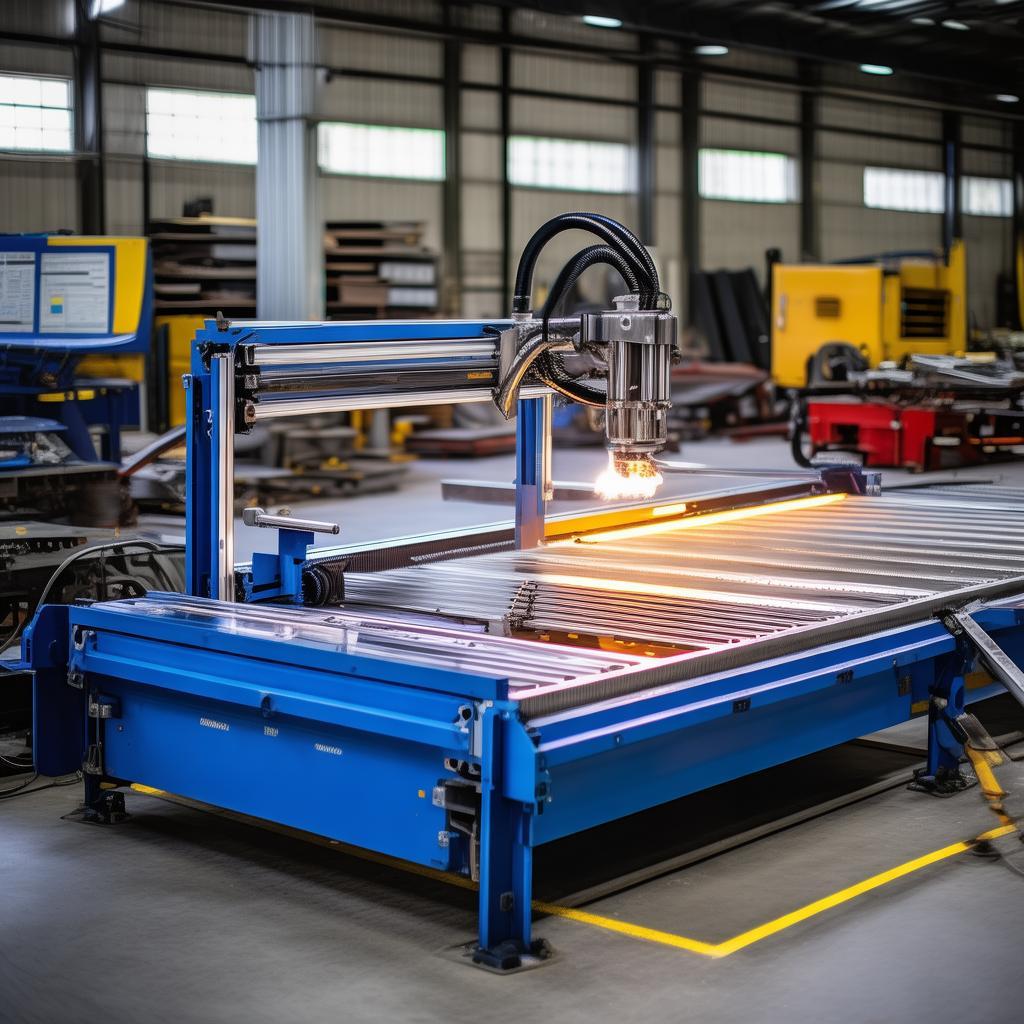
CNC router with tool length sensor
Product Overview
A CNC router with tool length sensor is an automation-focused machining solution designed for precise, repeatable cutting without manual probing. In the manufacturing environment—especially where multiple operators, frequent job changes, and mixed material workflows are common—measuring tool length before work helps protect workpieces, maintain part accuracy, and reduce costly rework. This kind of tool-assistance is particularly valuable in woodworking, signage and composites, and small-to-mid batch production lines that prioritize uptime and predictable cycle preparation.
Key Features
- Improved first-part accuracy by verifying tool length so Z-zero calibration is consistent across setups.
- Less scrap during tool changes—the system supports faster correction when tools are swapped between operations.
- Stabilized machining performance for dimensional-critical features such as ribs, pockets, engravings, and contour profiles.
- Production-ready workflow that reduces reliance on operator experience for manual measurements and helps standardize job preparation.
- Safety and equipment protection through reduced risk of incorrect tool offsets, helping avoid collisions and unnecessary spindle load.
- Support for multi-tool production where profiles, drilling, and engraving may run back-to-back with minimal intervention.
- Easier integration into job repeatability with a measurement routine that can be standardized across parts and shifts.
Technical Specifications
| Parameter | Specification |
|---|---|
| Tool length sensing function | Automatic/assisted tool length measurement for Z calibration |
| Repeatability support | Designed to reduce variation between setups and tool changes |
| Measurement workflow | Calibrate tool offsets prior to cutting operations |
| Control/operation style | CNC operation with tool probing routine integrated into standard job prep |
| Typical industry fit | Woodworking, signage, composite fabrication, and general industrial routing |
Note: Exact mechanical travel, spindle rating, and control model vary by configuration. Share your required work area and tooling to receive a tailored specification sheet.
Application Scenarios
- Multi-tool sign making: engrave, route, and pocket with reduced Z-offset correction between tools.
- Wood panel production: improve consistency across repeated parts when setups shift between batches.
- Composite/foam cutting for prototypes: protect finishes by minimizing the chance of depth mismatch after tool swaps.
- Small-batch job shops: speed up commissioning for new orders by standardizing tool length measurement routines.
Advantages
Compared with a generic router setup that relies mainly on manual probing or operator-performed measurements, a tool-length sensing equipped machine helps deliver more repeatable Z calibration—especially when jobs change frequently. The result is a more controlled machining process: fewer surprises during depth-critical passes, tighter consistency from shift to shift, and a smoother path to scaling throughput without adding proportional training burden.
If your production includes multiple cutters, frequent retooling, or a mix of materials and thicknesses, this approach reduces the “human measurement” portion of setup time and supports a more standardized workflow—one that procurement teams and operations managers can more easily audit and improve.
Why Choose Us
- Procurement-friendly support: we help align machine configuration with your required work envelope, tooling strategy, and production volume.
- Practical commissioning mindset: we focus on workflows that reduce downtime during installation and ramp-up.
- Distributor-ready documentation: clear guidance for integration, training, and day-to-day operations.
- Responsive quotation handling: we can provide options that fit your budget and timeline without compromising core measurement capability.
If you share your target materials, thickness range, and spindle/tooling approach, we’ll propose the most suitable configuration for a reliable tool-length sensing workflow.
FAQ
Q1: What does the tool length sensor improve for CNC routing?
A: It helps automate Z calibration by measuring tool length, supporting consistent depth control and reducing offset errors after tool changes.
Q2: Is this suitable for job shops with frequent retooling?
A: Yes. The routine standardizes setup and reduces dependence on manual measurement, which is especially helpful when new orders arrive daily.
Q3: Will a CNC router with tool length sensor handle different material thicknesses?
A: The sensor supports repeatable tool length offset calibration; thickness compensation still follows your workflow and workholding references.
Q4: Does it reduce the risk of tool crashes?
A: While safety depends on programming and operating procedures, measuring tool offsets can reduce errors that lead to incorrect cutting depths and certain collision scenarios.
Q5: How do I verify compatibility with my existing controller/workflow?
A: Provide your controller model, probing routine preferences, and typical tool list. We’ll confirm how the tool measurement step will integrate with your G-code/program workflow.
If you’re evaluating a CNC router with tool length sensor for production consistency, share your workpiece materials, maximum thickness, target work area, and tooling plan. We’ll prepare a quotation and configuration recommendation aligned to your throughput and quality goals.