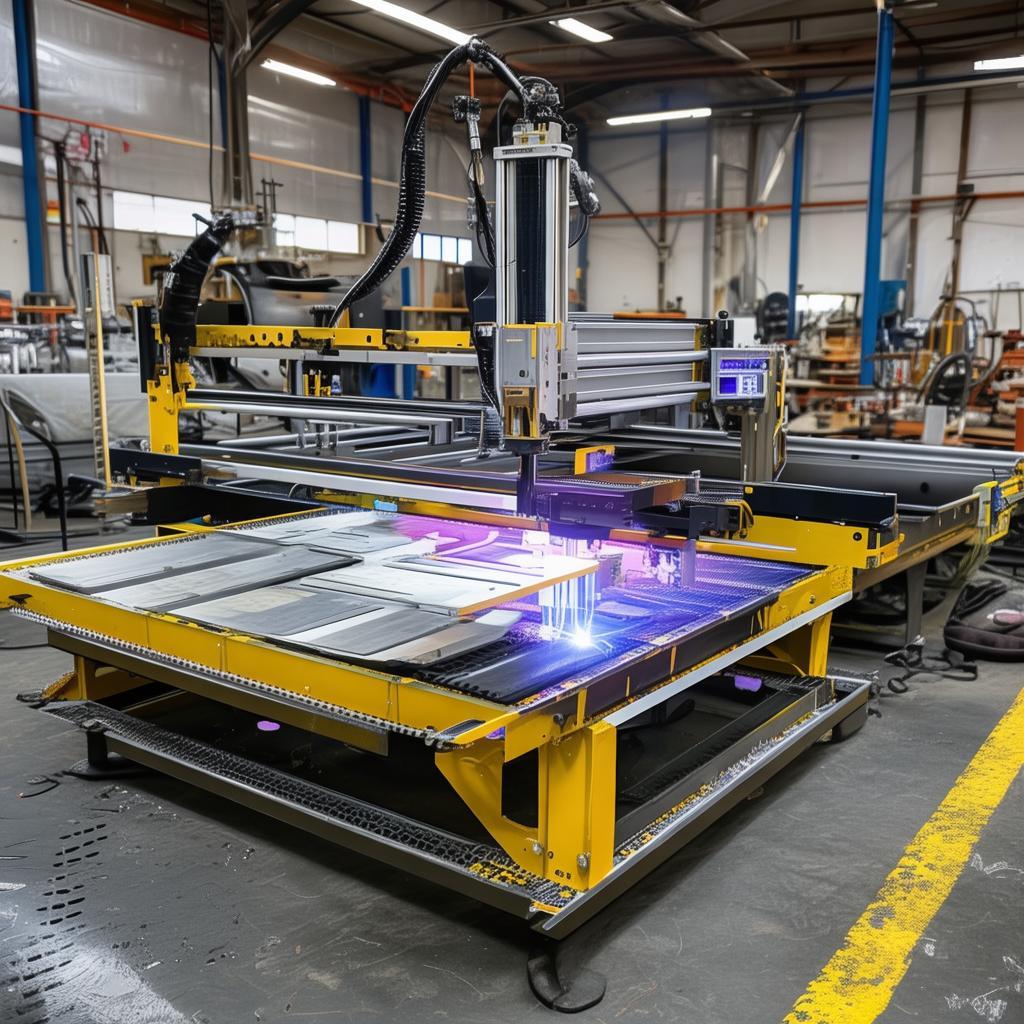
CNC fixtures for stamping dies
CNC fixtures for stamping dies — precision fixturing for stable, repeatable production
CNC fixtures for stamping dies are engineered workholding solutions used in metal stamping and progressive forming lines to locate, support, and repeatably clamp dies during setup and production. In stamping operations, the quality of die positioning and alignment directly affects part geometry, surface finish, and dimensional stability. These CNC-machined fixtures help manufacturers reduce rework and improve throughput by delivering consistent results from cycle to cycle. Whether you’re building a new tooling set or upgrading an existing line, robust die fixturing is a practical lever for tighter tolerances and smoother changeovers.
Key Features
- Repeatable die positioning helps maintain alignment across multiple tool installs, reducing variation between setups.
- Rigid support for stable forming minimizes deflection and vibration during stamping, supporting consistent part shape and surface quality.
- CNC-grade locating surfaces improve accuracy where it matters most: registration, support, and clamp interfaces.
- Faster, safer setups streamlines die change procedures by standardizing how components reference and seat on the press.
- Durable wear handling designed for shop-floor realities—frequent maintenance, repeated contact surfaces, and long production runs.
- Compatibility for different die sizes supports tailored fixture layouts for your tooling geometry and production requirements.
- Process control by design helps maintain a predictable assembly baseline, reducing troubleshooting time when part quality drifts.
Technical Specifications
| Parameter | Specification |
|---|---|
| Product type | CNC-machined stamping die workholding and locating fixtures |
| Primary function | Locate, support, and clamp die tooling to maintain alignment and repeatability |
| Manufacturing method | CNC machining with verification of critical interfaces |
| Locating features | Registration surfaces, support pads, and reference points tailored to die geometry |
| Clamping interface | Bolt pattern / clamp arrangement configured to press tooling requirements |
| Material options | Common fixture grades and tooling steel selections based on load and wear needs |
| Surface treatment | As required for corrosion control and durable contact performance |
| Customization | Designed from die drawings or physical samples; tailored to press model and tooling layout |
Application Scenarios
- Progressive die lines: used to keep die stations aligned through rapid, repeatable indexing cycles.
- High-mix production: die change tooling supports quicker setups while maintaining consistent registration for each product variant.
- Automotive and appliance stamping: rigid fixtures help hold tolerances that protect downstream forming and assembly fit.
- Tooling refurbishment: upgraded fixturing restores baseline accuracy on older dies to reduce scrap and rework.
Advantages
Generic workholding parts often rely on manual fitting and non-standard reference surfaces, which can introduce variability between installs. Purpose-built CNC-fixture solutions for stamping focus on measurable reference geometry—so your press setup starts closer to the intended die alignment.
Compared with improvised blocks, adapters, or low-accuracy platforms, these fixtures help you control the interfaces that most influence stamping outcomes: die seat repeatability, clamp positioning, and support rigidity. The result is improved part consistency, fewer quality excursions, and a lower cost of downtime during changeovers and troubleshooting.
Why Choose Us
We support stamping and forming customers with a practical, production-minded approach to CNC-machined tooling. You can expect:
- Clear communication from quotation to final inspection, including guidance on fixture layout and interface definitions.
- A QA workflow designed around critical features and fit-critical surfaces used for die seating and repeatability.
- Manufacturing control intended to support consistent results across reorders or line expansions.
- International logistics readiness for procurement timelines and documentation needs.
- Service responsiveness when your line requires fast turnaround or engineering collaboration for improvements.
Share your stamping die drawings and press details, and we’ll propose a fixture approach that fits your process. For procurement teams, this helps reduce integration risk and protects schedule commitments.
FAQ
Q: Are CNC fixtures for stamping dies customizable for different press models?
A: Yes. The fixture layout is configured around your die geometry and press tooling interface, using the provided drawings, reference dimensions, or physical samples.
Q: What should we provide to get an accurate quote?
A: Die drawings (or CAD), critical interface dimensions, clamp/bolt requirements, and the press model. If you’re replacing an existing fixture, photos or the current assembly measurements are helpful.
Q: How do these fixtures help reduce stamping defects?
A: By improving die seat repeatability and alignment, the fixturing supports consistent forming conditions—helping reduce dimensional drift, misregistration, and setup-related scrap.
Q: Can you manufacture fixtures for refurbishment or line upgrades?
A: Yes. We can design CNC fixturing solutions to match your existing die interfaces, or improve reference surfaces to restore baseline accuracy.
Q: What inspection and acceptance steps apply to CNC-machined fixtures?
A: Acceptance is typically focused on critical fit-critical features—interfaces used for die positioning, support, and clamp alignment. We’ll confirm the inspection approach aligned to your requirements before production.
Ready to standardize die setups and improve consistency on your line? Send us your die drawings and press details for a targeted review and quotation request—our team can propose the right CNC fixture approach for your stamping workflow, including CNC fixtures for stamping dies that integrate smoothly with your production process.