
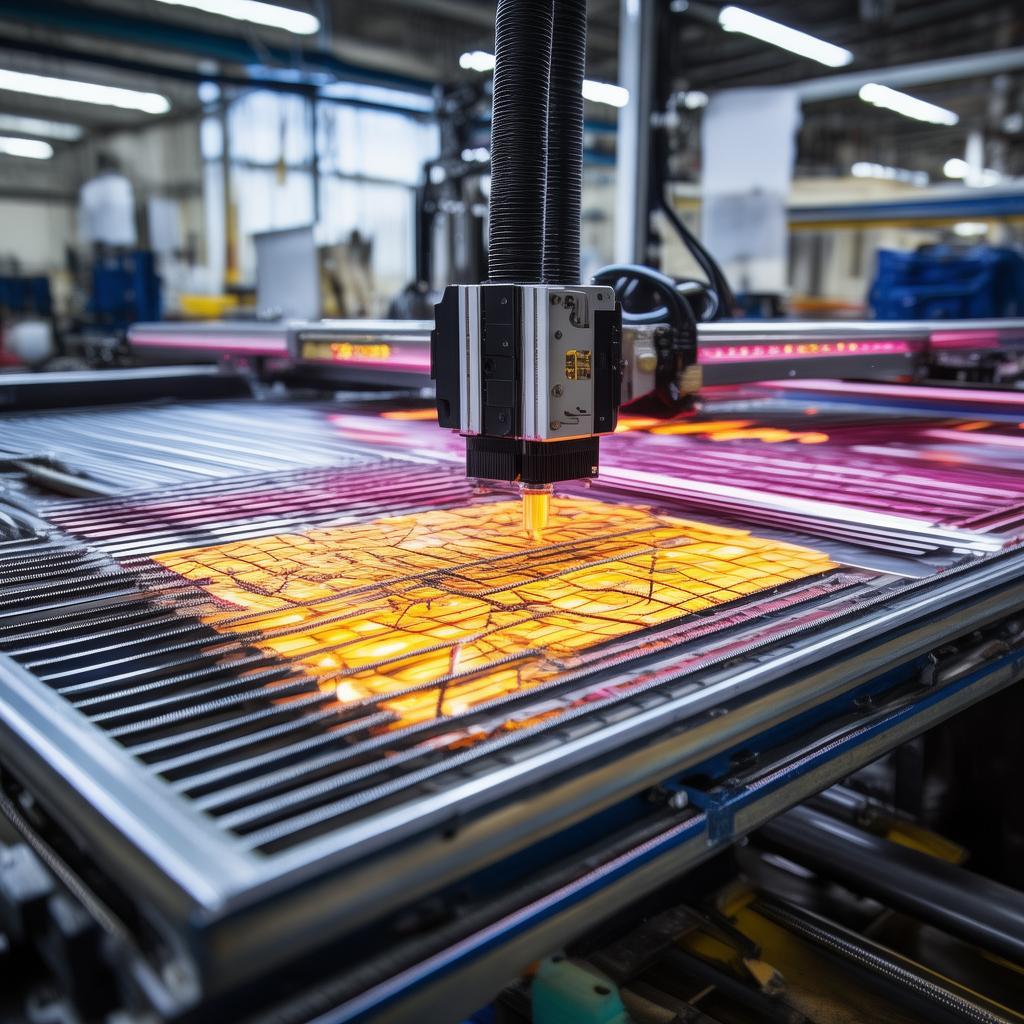
CNC spindle tool interface
Product Overview
A CNC spindle tool interface is the engineered connection layer that lets CNC control systems communicate with the spindle and tool-related hardware reliably during automatic tool change, high-speed machining, and production cycles. Built for the metalworking / machine tool industry, this interface helps mills, turning centers, and tooling automation setups maintain stable signaling, consistent indexing, and repeatable operation—so your operators get predictable cycle times and your engineers get a cleaner path to integration and service.
Key Features
- Signal integrity for production reliability: designed to support stable tool-change and spindle-related communication in demanding workshop environments.
- Lower integration friction: interface-ready construction helps OEMs and system integrators connect faster with fewer troubleshooting loops.
- Service-friendly design: clear connectivity and robust assembly choices support faster diagnosis and maintenance between shifts.
- Compatibility with tool automation workflows: supports standard CNC control patterns used in automatic tool changing and spindle/tool status exchange.
- Noise-aware electrical handling: engineered to reduce the risk of intermittent signals caused by typical industrial interference sources.
- Consistent mechanical alignment support: minimizes rework associated with misalignment, cable strain, and loose connections.
- Built for uptime: supports repeatable operation across long production runs where downtime costs are highest.
Technical Specifications
| Parameter | Specification |
|---|---|
| Primary Purpose | Spindle/tool signaling interface for CNC machining tool communication and automation workflows |
| Mounting / Integration | Designed for direct integration into machine tool wiring architecture (OEM/system integrator use) |
| Electrical Interface | Multi-signal connection for spindle and tool status/control exchange |
| Signal Handling | Noise-aware routing principles to improve stability in typical shop-floor conditions |
| Construction | Industrial-grade components and protected assembly for dependable service |
| Environmental Suitability | Machining-environment ready for continuous industrial use (configuration dependent) |
| Application Fit | Automatic tool change systems, spindle-related monitoring, and CNC control integration |
Application Scenarios
- Automatic tool changing on machining centers: helps tool-change status and spindle-related signals transfer consistently during production cycles.
- Retrofit for improved integration: used when upgrading tooling automation or CNC control hardware to reduce downtime and wiring complexity.
- High-mix production support: supports repeatable interface behavior when tools and programs change frequently across shifts.
- Distributor and service partner stock: provides a reliable replacement option to speed up machine servicing and return-to-production.
Advantages
Compared with generic connectors or loosely matched adapters, this CNC spindle tool interface approach focuses on system-level usability: stable signaling for tool/spindle communication, integration that respects machine tool wiring practices, and a service-friendly design philosophy. The result is fewer intermittent faults, less time spent on signal verification, and a more predictable commissioning experience for OEMs and integrators.
- Reduces engineering effort by aligning with typical CNC tool/spindle workflow expectations.
- Helps minimize rework from misconnection, loose harnessing, or inconsistent interface behavior.
- Supports uptime goals by making maintenance and verification more straightforward.
- Improves long-term consistency versus off-the-shelf parts that may not be tailored to tool automation needs.
Why Choose Us
We supply CNC-related components with procurement in mind—clear communication, dependable packaging for shipping across borders, and support for engineers during selection and installation. Our goal is to ensure your machine tool integration team can source the right interface solution with confidence, including guidance on compatibility considerations for spindle/tool automation setups.
- Procurement-ready documentation and responsive pre-sales support.
- Reliable fulfillment processes for distributors and system integrators.
- Practical selection assistance to avoid mismatched interface components.
- Quality-minded sourcing and packaging designed for safe transit.
FAQ
Q1: Is this suitable for automatic tool change machines?
A: Yes. The CNC spindle tool interface is designed to support common tool-change and spindle status/control communication patterns used in machining centers.
Q2: What information do you need to confirm compatibility?
A: Share your machine make/model (or CNC controller model), spindle/tool automation configuration, and any connector/interface details from the existing setup so we can align the replacement or integration option.
Q3: Can this be used for retrofits?
A: Typically yes. Many customers use the spindle/tool interface layer to simplify upgrades to tooling automation or control systems while reducing commissioning time.
Q4: How does it help reduce downtime?
A: By promoting stable signaling and easier service verification, the interface can reduce intermittent communication faults that often extend troubleshooting and delay return-to-production.
Q5: Is there support for distributors and OEM partners?
A: Yes. We work with industrial buyers, integrators, and distributors on selection, documentation readiness, and procurement workflows.
Need a reliable spindle/tool interface solution for your machining line or retrofit program? Send us your machine and configuration details for a quick fitment check and quotation request—we’ll help you move from selection to installation with confidence.