
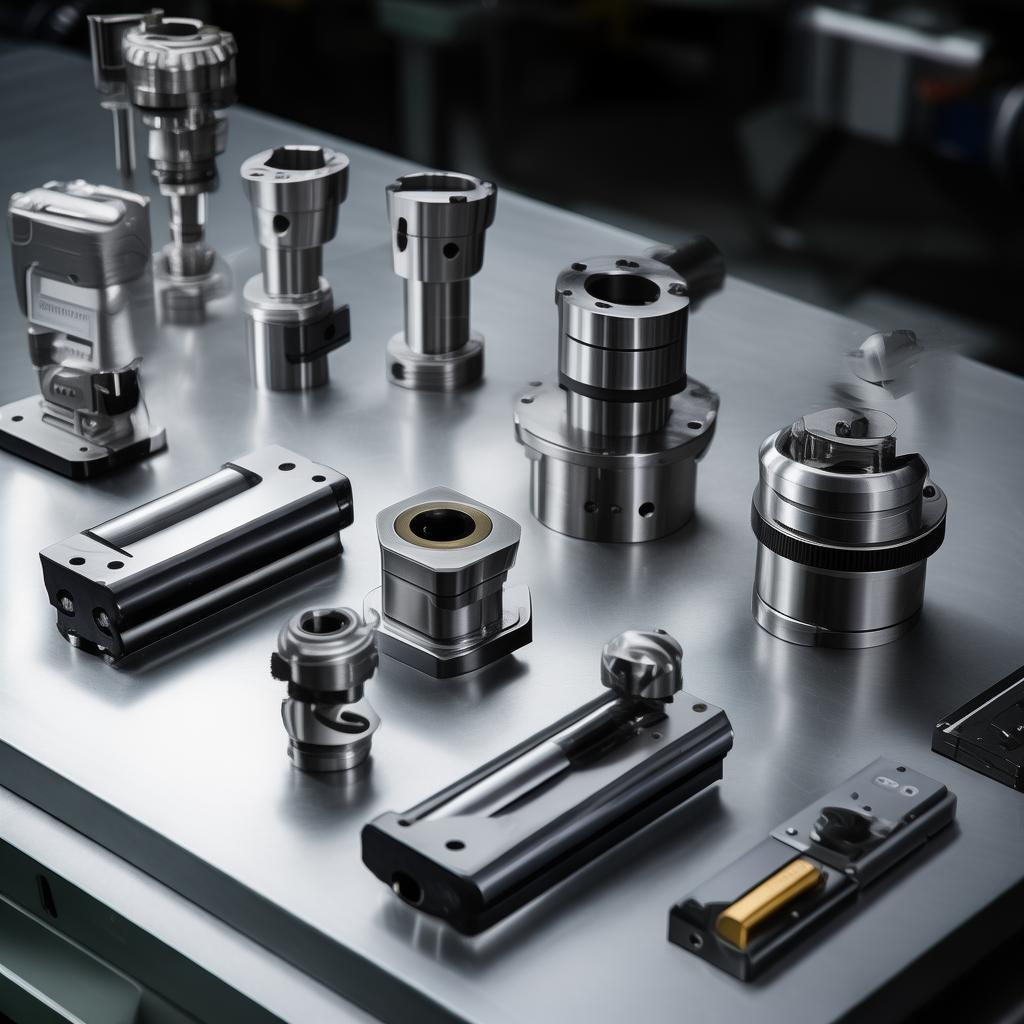
CNC tooling engineering
Product Overview
CNC tooling engineering delivers purpose-built tooling design and build support for CNC machining centers—helping manufacturers achieve stable cutting performance, repeatable part quality, and predictable cycle times. As your process partner for milling, turning, boring, drilling, and multi-axis operations, we translate your drawings, materials, and target tolerances into engineered tool solutions that fit your workflow. Whether you’re improving an existing process or launching a new program, our approach aligns tool geometry, holding strategy, and manufacturing practicality so shops can run confidently from first article through production.
Key Features
- Process-aligned tooling design that matches your machine capability, workholding approach, and production volumes—reducing trial-and-error on the shop floor.
- Optimized cutting performance through geometry and material compatibility guidance, supporting smoother machining and consistent dimensional results.
- Manufacturability-focused engineering so tooling can be built, inspected, maintained, and re-sharpened (where applicable) without disruption.
- Repeatability for production using controlled build processes and robust specification documentation to keep outputs consistent across batches.
- Application support during ramp-up, including refinement recommendations for feeds/speeds, toolpaths, and setup considerations.
- Clear technical communication with organized deliverables (tooling concept, requirements, and verification steps) for procurement and engineering teams.
- Cost-control mindset by prioritizing tooling life, reduce scrap risk, and minimize changeovers through sound design decisions.
Technical Specifications
| Parameter | Specification |
|---|---|
| Tooling scope | Milling/turning/drilling/boring assemblies, toolholder compatibility, and engineered cutting tool concepts |
| Engineering deliverables | Design rationale, tooling requirements, inspection/verification approach, and documentation aligned to your program |
| Materials addressed | Steel, alloy steels, stainless steels, aluminum, and other machinable engineering materials (subject to part requirements) |
| Dimensional focus | Tolerance strategy support for critical features, process stability, and repeatable setup considerations |
| Compatibility | Integration with your CNC machine interfaces, workholding strategy, and cutting parameters targets |
| Quality workflow | Dimensional checks, documentation review, and application-minded acceptance criteria for stable production runs |
Application Scenarios
- Production ramp-up for precision machined components where stable surface finish and dimensional control are required.
- Process improvement for existing CNC lines—reducing tool wear, improving throughput, and lowering scrap rates.
- Short-run prototypes transitioning to manufacturing-ready tooling concepts with clearer acceptance criteria.
- High-mix part machining where standardized tool families and workholding considerations support faster changeovers.
- Complex geometry machining that benefits from engineered cutting strategies and toolholder compatibility checks.
Advantages
Compared with generic catalogs or one-size-fits-all tooling sets, this engineered approach treats your program as a system: cutting conditions, machine constraints, workholding, inspection expectations, and tool maintenance realities. Instead of “fit and hope,” you get a tooling solution designed for stability and measurable outcomes—helping reduce downtime from unexpected wear, limit rework caused by setup variability, and support consistent production part quality. For teams that need reliable execution across multiple lots or sites, CNC machining tooling engineering reduces the hidden friction that often appears after initial trials.
If you need to coordinate with engineering, quality, and production simultaneously, our documentation-first workflow supports smoother handoffs and faster approvals—especially when timelines are tight.
Why Choose Us
- Supplier-grade accountability: clear scope, organized deliverables, and practical acceptance steps so procurement and engineering teams stay aligned.
- Engineering that respects manufacturing: we prioritize designs that can be built, checked, and sustained in real production environments.
- Collaboration mindset: we work with your CNC programmers and manufacturing engineers to ensure tool concepts translate to stable operations.
- Risk reduction approach: tooling strategy is designed to minimize scrap exposure and unexpected downtime during ramp-up.
- Global delivery readiness: consistent packaging, documentation support, and planning to fit international trade workflows.
If you have specific quality requirements, inspection standards, or documentation formats, share them during quotation so we can align the deliverables accordingly.
FAQ
Q1: What information do you need to start CNC tooling engineering for my parts?
Typically, we request part drawings (or CAD), material type, target tolerances, machine model(s), current operation details (if improving an existing process), and any constraints related to tooling space, access, or inspection.
Q2: Can you support both new tooling programs and improvements to existing setups?
Yes. We can develop a new tool concept for a fresh program or refine cutting strategy and tooling selection to improve tool life, surface finish, and stability using your current production reality.
Q3: How do you ensure the tooling will work reliably in production, not just prototypes?
We align the design to your setup and verification expectations, document the engineering approach clearly, and support ramp-up adjustments so the solution remains stable across batches.
Q4: Do you provide recommendations for feeds, speeds, and toolpath adjustments?
We can provide application guidance and refinement recommendations based on your parts, materials, and machining goals, especially during the validation and early production phases.
Q5: What’s the typical timeline for tooling engineering and delivery?
Timelines vary based on scope and complexity. We’ll confirm an estimated schedule after reviewing your requirements, including any iteration needs for validation.
Ready to improve part quality, reduce trial time, and stabilize machining output? Share your drawings, material, and target machining goals—then request a quotation and engineering review for your next tooling program.