
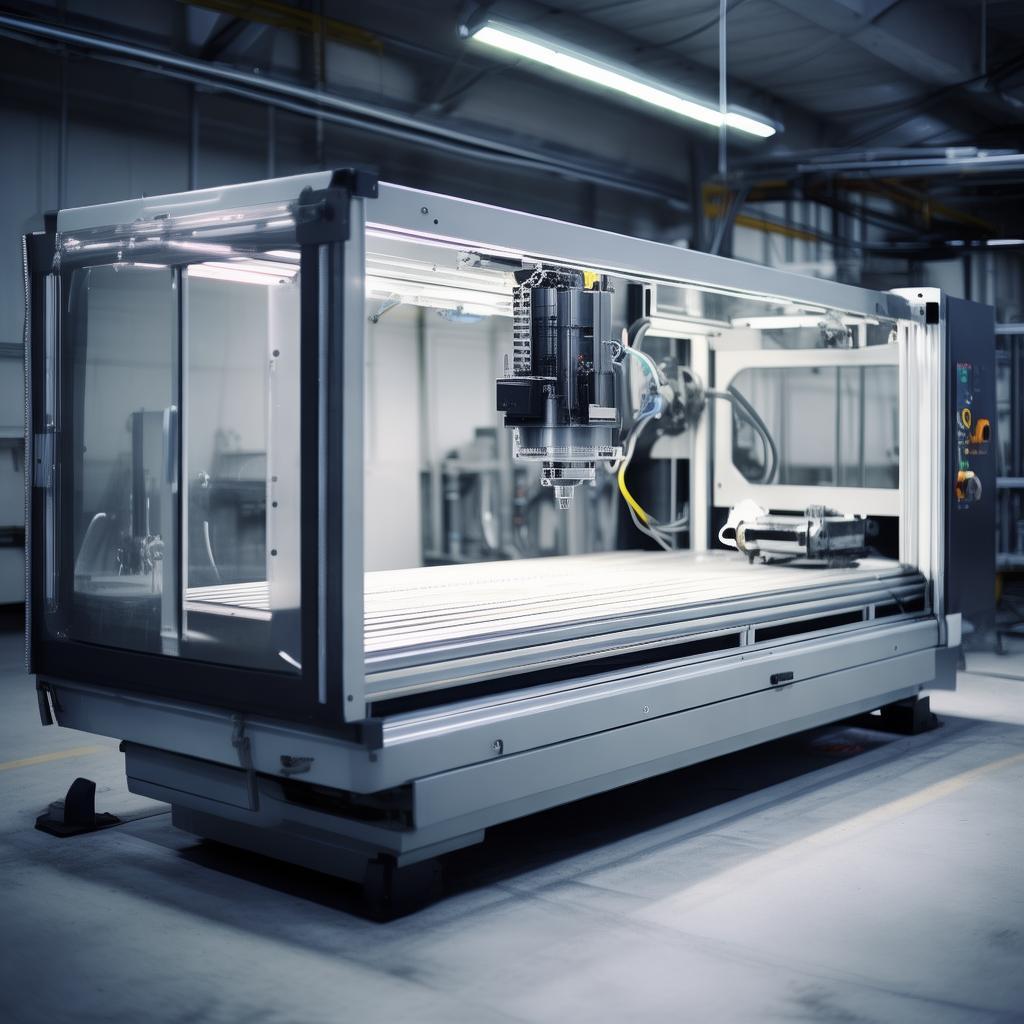
CNC tooling for mold making
Product Overview
For mold shops and tooling divisions in the manufacturing industry, production uptime and dimensional control are decisive. CNC tooling for mold making is designed to machine and finish mold components—such as cavity and core inserts, slides, and die elements—with consistent accuracy and repeatable surface quality. From high-mix job shops to high-volume forming lines, engineers rely on purpose-built cutters, holders, and machining accessories to reduce rework, stabilize cycle time, and improve part conformance. When your tooling strategy aligns with mold materials and finishing requirements, every machining pass becomes more predictable.
Key Features
- Stable machining performance: tooling geometry and material compatibility support smooth cutting and fewer interruptions during cavity/core work.
- Improved surface finish: optimized cutting edges help achieve cleaner finishes for better replication and reduced secondary polishing.
- Repeatable dimensional results: reliable clamping and consistent wear behavior support tighter tolerance control across production runs.
- Faster setup and changeovers: tool families and standardized interfaces simplify planning for different mold programs and materials.
- Confident process planning: predictable cutting behavior supports parameter selection and helps engineers document machining recipes.
- Lower total cost per mold: reduced rework and controlled wear extend productivity between tool changes.
- Designed for mold complexity: suitable for intricate contours, detail features, and high-detail finishing operations.
Technical Specifications
Select configurations are supported; exact options depend on your mold material, machine type, and required finish.
| Parameter | Specification |
|---|---|
| Primary use | CNC machining, finishing, and detailing of mold components |
| Compatible mold materials | Tool steels, pre-hardened steels, aluminum mold alloys, and related workpiece materials (project dependent) |
| Operational focus | Roughing-to-finishing workflows for cavity/core surfaces and high-detail features |
| Application types | Contour machining, pocketing, profiling, and surface finishing cycles |
| Tooling interfaces | Standard machine/toolholder compatibility options available (based on your spindle system) |
| Quality approach | Designed for consistent cutting-edge behavior to support repeatability and reduced variability |
| Packaging and traceability | Batch-based packaging with identification for inventory control (details vary by configuration) |
Application Scenarios
- Prototype and low-volume mold runs: maintain consistent surfaces to speed approvals and reduce polishing rework.
- Production molding tools for consumer goods: stabilize cavity/core machining to support repeatable mold performance over multiple starts.
- Complex insert geometry: improve detail feature definition for tight tolerance molded parts.
- Rough-to-finish transitions: reduce tool swapping and process variation when moving between machining stages.
- Distributor or multi-shop supply plans: standardize tooling families to simplify quoting, inventory, and job preparation.
Advantages
Compared with generic end mills or multipurpose cutting tools, CNC tooling for mold making is selected with mold workflows in mind: it supports predictable edge performance during cavity and core machining, helps reduce surface and dimensional variability, and contributes to a more controlled finishing strategy. Instead of relying on trial-and-error per job, your engineering team can build repeatable recipes around tooling behavior—shortening ramp-up time for new mold designs and minimizing scrap risk.
If your current approach uses broad “one-tool-for-all” options, switching to a mold-oriented strategy can improve consistency at the part level while making procurement and scheduling more dependable across projects.
Why Choose Us
We support tooling procurement for mold shops, manufacturers, and international distributors with a practical supply mindset: responsive technical communication, clear configuration guidance, and packaging/traceability designed for inventory control. Our team focuses on matching the right tooling approach to your material, machine interface, and finishing goals—so you receive tools you can integrate into your process plan quickly.
- Process-aligned recommendations rather than one-size-fits-all listings.
- Reliable fulfillment planning for distributor stocking and production timelines.
- Transparent communication on compatibility and setup considerations.
- Documentation support to help your engineers validate machining recipes.
FAQ
Q1: What does CNC tooling for mold making cover—cutters only, or also toolholders and accessories?
A: It can include the full tooling approach needed for mold operations—cutting tools and, where applicable, compatible holders and interfaces—based on your machine spindle system and process plan.
Q2: How do I choose the right tooling for different mold materials (steel vs. aluminum alloys)?
A: Share your workpiece material, target finish, and the operations you’ll run (roughing, profiling, finishing). We’ll recommend a tooling configuration aligned to the material behavior and your desired surface outcome.
Q3: Will this reduce polishing and rework on cavity/core surfaces?
A: The goal is to improve surface replication and stability so your finishing workflow is more consistent. Actual reductions depend on your current process parameters and the toolpath strategy used with the tooling.
Q4: Can you support us as a distributor supplying multiple mold shops?
A: Yes. We can help you build practical tooling selections for common mold workflows, making it easier to quote, stock, and support end users with compatibility guidance.
Q5: What information should we provide to receive accurate tooling recommendations?
A: Provide your CNC machine/spindle interface, mold material, required tolerances and surface goals, and a brief outline of operations. This helps us align tooling selection to your workflow for CNC machining of molds.
Ready to standardize your mold machining tooling strategy? Request a quotation or send your material and operation details—we’ll help you select the right tooling approach for your next cavity/core and detail-feature program.