
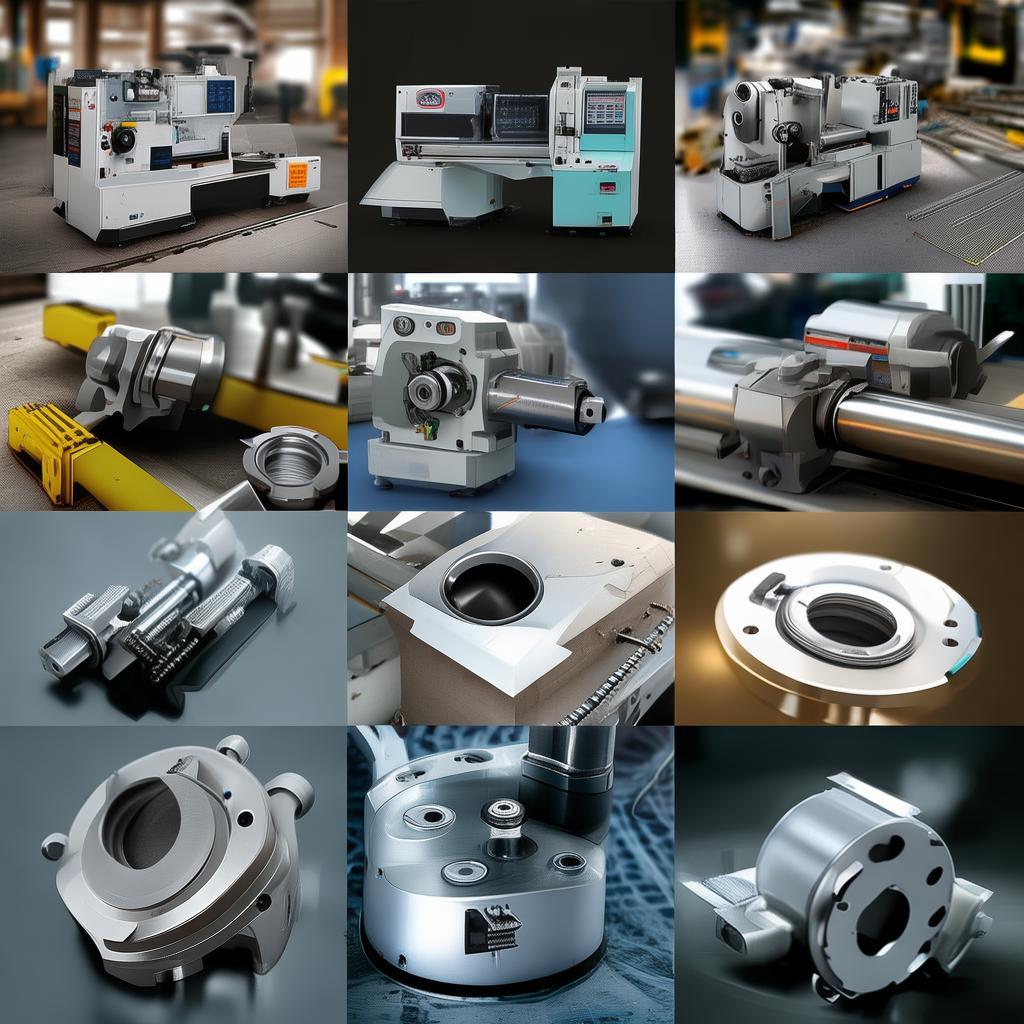
CNC vices
Product Overview
CNC vices are purpose-built workholding solutions used in CNC machining centers and precision workshops to firmly locate and clamp parts during milling, drilling, boring, and related operations. By providing repeatable positioning and stable clamping force, these workholding tools help reduce vibration, improve dimensional consistency, and support efficient production runs in metalworking and fabrication environments. When you need dependable fixture performance for small to medium components—especially when setups must be repeatable—CNC vices deliver the controlled rigidity procurement teams expect on the shop floor.
Key Features
- Secure clamping for stable machining: Designed to hold workpieces firmly to minimize movement during cutting.
- Repeatable positioning: Enables consistent setup across shifts and batches to support predictable results.
- Rigid body for reduced chatter: Helps maintain surface finish quality on milling and drilling tasks.
- Practical jaw and clamping surfaces: Supports reliable grip on a wide range of component shapes and materials.
- Faster changeovers: Streamlines part loading and reduces time spent on setup adjustments.
- Compatibility with machining workflows: Suitable for typical fixture layouts used in production cells and job-shop CNC lines.
Technical Specifications
| Parameter | Specification |
|---|---|
| Product Type | CNC workholding vice / milling vice |
| Clamping Method | Manual or screw-driven clamping (depending on configuration) |
| Intended Operations | Milling, drilling, boring, and general machining requiring stable workholding |
| Workpiece Handling | Clamping via replaceable or machined jaw surfaces (configuration-dependent) |
| Mounting | Bench/fixture mounting to machining center tables using standard vice base arrangement (model-dependent) |
| Maintenance Considerations | Keep clamping surfaces clean; periodic inspection and lubrication based on use intensity |
Application Scenarios
- Production milling of machined brackets: Provides stable clamping for repeatable finishing passes.
- Drilling and reaming of small housings: Maintains workpiece position to support accurate bore alignment.
- Job-shop prototyping with frequent changeovers: Speeds setup iterations while maintaining consistent clamping behavior.
- Batch machining of shafts and blocks: Enables dependable location for multi-op workflows on CNC lines.
Advantages
Compared with generic bench vises or loosely specified workholding clamps, this vice solution is engineered for CNC machining conditions—where rigidity, repeatability, and setup efficiency matter. Instead of relying on ad-hoc mounting practices, your operators get a dedicated workholding approach designed for machining environments, helping reduce part drift and improving confidence during tool engagement. Whether you’re upgrading existing fixtures or standardizing the lineup across multiple machines, this style of workholding reduces risk in the middle of a production run and supports consistent machining outcomes.
Why Choose Us
We support procurement and manufacturing teams with a supplier approach built around reliability and practical delivery. Key trust signals you can expect include:
- Technical pre-sales support: Help selecting the right vice configuration for your parts, toolpaths, and machine setup.
- Clear documentation for purchasing: Straightforward product details to support internal approvals and distribution needs.
- International logistics readiness: Packaging and shipping coordination suitable for cross-border procurement.
- Reliable supply for repeat orders: Designed for stable sourcing when your production plan scales.
FAQ
Q: Are these suitable for milling and drilling on CNC machines?
A: Yes. This workholding vice is intended for CNC machining workflows where stable clamping helps maintain part position during cutting and drilling operations.
Q: What should I confirm before ordering to match my setup?
A: Confirm mounting arrangement (base interface), jaw compatibility with your workpiece geometry, and the way your production line expects the vice to be loaded and secured.
Q: Can I use it for different part types within the same product family?
A: Typically yes. The clamping approach supports a range of part shapes, and with appropriate jaw surfaces or setup methods you can standardize production across similar components.
Q: How do CNC vices help reduce machining issues like chatter or part shift?
A: Rigid workholding improves stability during cutting, helping limit movement that can cause surface quality problems, while repeatable clamping supports consistent machining across parts.
Q: What maintenance is recommended for long-term performance?
A: Keep clamping surfaces clean, inspect wear points periodically, and follow lubrication/inspection practices appropriate to your usage intensity and coolant environment.
Ready to standardize workholding for your CNC machining workflow? Share your machine model, typical workpiece dimensions, and required clamping approach, and we’ll provide a quotation for the right vice configuration for your application.