CNC workholding solutions
Product Overview
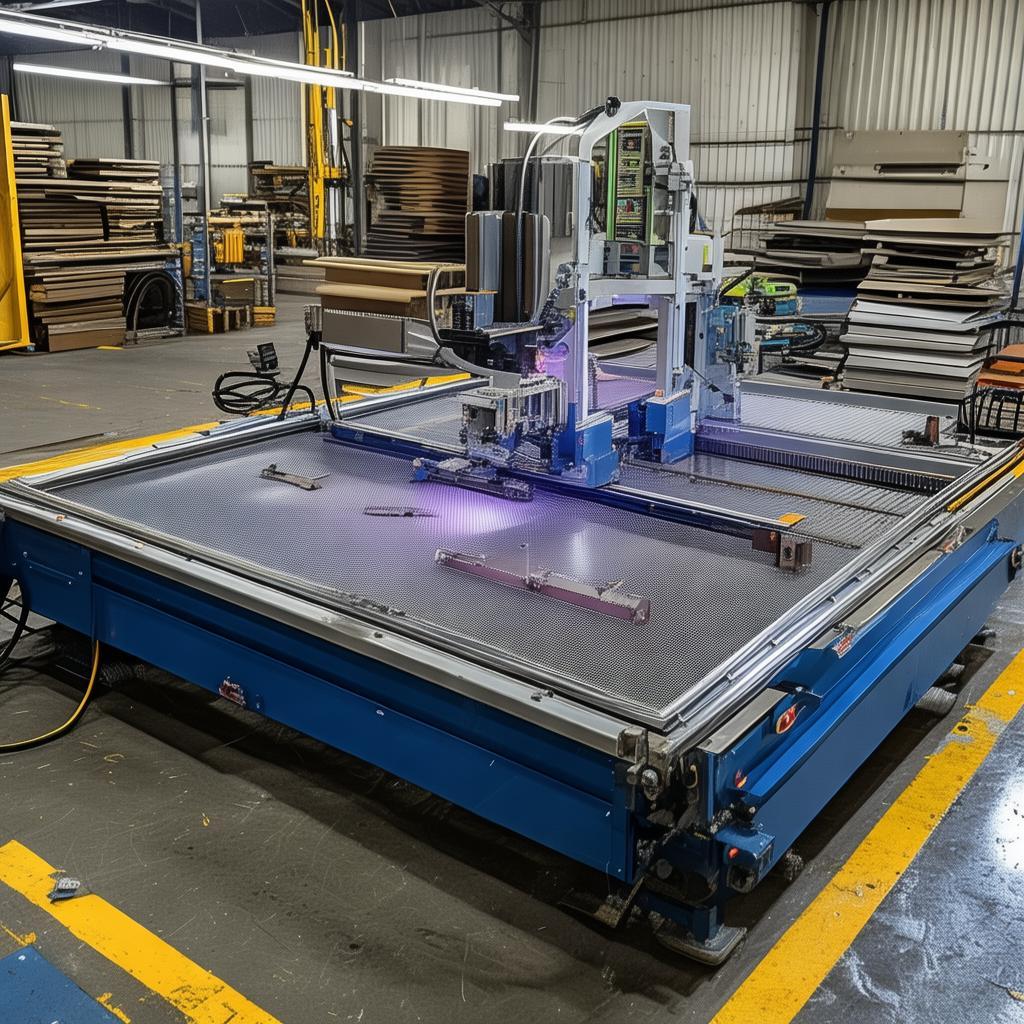
CNC workholding solutions are engineered fixtures, clamping systems, and modular interfaces that securely locate and hold workpieces during CNC machining. They’re widely used across industrial manufacturing—especially job shops, automotive supply chains, aerospace subcontracting, medical device component makers, and precision engineering teams—where consistent part geometry and dependable productivity matter. The right workholding approach improves machining stability, reduces setup time, and helps maintain repeatable results across runs, materials, and operator shifts.
If you’re standardizing processes for mills, lathes, and multitasking centers, our workholding systems are built to support efficient, repeatable loading and confident cutting performance.
Key Features
- Stable clamping and reliable location to minimize chatter and maintain part accuracy through typical machining cycles.
- Repeatable setup across operators with consistent reference surfaces and intuitive mounting practices.
- Modular design for flexible tooling so you can adapt to multiple part families without rebuilding the entire setup.
- Efficient loading and unloading that helps reduce non-cutting time for single-piece flow and production batches.
- Designed to manage cutting forces using purpose-built clamping strategies aligned to milling and turning operations.
- Compatibility with common machine interfaces to support smoother integration into existing production cells.
- Inspection-friendly work localization that supports consistent measurement points and easier quality verification.
Technical Specifications
| Parameter | Specification |
|---|---|
| Workholding type | Modular fixtures, precision clamps, locating systems, and machine-ready interfaces (configured to application) |
| Application scope | Milling, drilling, tapping, contouring, and turning-support operations (per designed clamping strategy) |
| Workpiece materials | Metals and engineered workpiece grades (configured for stiffness, tool engagement, and cutting conditions) |
| Interface compatibility | Designed to match common spindle/fixture mounting patterns and modular tooling ecosystems (configured to your machine) |
| Repeatability focus | Consistent location strategy using defined datums, repeatable clamping geometry, and repeatable loading workflow |
| Configuration approach | Application-driven engineering: locating scheme, clamping points, clearance checks, and tool-path considerations |
| Delivery format | Supplied as a configured workholding package with mounting and usage guidance for your application |
Application Scenarios
- Automotive bracket and housing machining: consistent location helps maintain hole position and surface finish across high-mix production.
- Medical device component runs: stable clamping supports repeatable geometry for tight tolerance features during milling and drilling.
- Aerospace subcontracting: engineered work localization supports controlled machining forces for complex profiles and multiple setups.
- General precision job shop work: quick reconfiguration reduces downtime when moving between part families and batch sizes.
Advantages
Compared with generic vises, one-size-fits-all adapters, or improvised setups, our approach focuses on how your parts are actually machined—where tools contact, how cutting forces travel, and what datums matter for inspection. That results in fewer “workholding-caused” variances, smoother production flow, and less time spent troubleshooting chatter, shifting, or rework.
- Better process repeatability: defined locating and clamping geometry supports consistent outcomes run after run.
- Lower setup burden: a modular workflow reduces changeover complexity for mixed production schedules.
- More productive machining: stable work support helps you maintain planned feeds/speeds and reduces interruptions.
- Improved quality verification: inspection points align more naturally with the intended datums and fixturing logic.
Why Choose Us
We support international manufacturers with application-focused engineering and practical shop-floor guidance. From initial fixture planning to integration into your CNC cell, we prioritize clear communication, responsive iteration, and documentation that helps your team deploy the setup confidently.
- Supplier reliability: structured quoting and lead-time visibility for procurement planning.
- Engineering collaboration: support for locating scheme selection, clearance checks, and mounting fit.
- Practical deployment: guidance for loading workflow and consistent use—reducing operator variability.
- Scalable approach: fit for both single jobs and broader manufacturing programs where standardization is required.
Note: Specific certifications, test reports, or dimensional performance guarantees are provided only when included in your project documentation.
FAQ
1) Are these workholding systems for milling only?
They can be configured for milling, drilling, tapping, and turning-support operations based on your machine type and machining plan.
2) How do you ensure repeatability across multiple parts?
We build the fixture logic around defined datums and a repeatable clamping workflow, then validate fit and clearance against your intended operations.
3) Can we use our existing tooling and machine interfaces?
Yes—our configuration approach targets compatibility with your existing machine setup, adapter patterns, and production workflow.
4) What inputs do you need to propose the right solution?
Typically: part drawings (critical dimensions and datums), material, planned operations, workpiece orientation, and your machine model/interface constraints.
5) Will this reduce scrap or rework?
While outcomes depend on machining parameters and part condition, a properly engineered clamping and locating strategy is designed to reduce shifting, tolerance drift, and setup-related defects.
Ready to standardize your setups or improve throughput? Send your part drawings and machining requirements, and we’ll recommend a fit-for-purpose configuration of CNC workholding solutions—or an equivalent workholding strategy tailored to your production cell—for a clear quotation and next steps.