Nylon Side Wing Roller components and high-precision conveying systems are becoming essential as CNC machining and automated manufacturing scale upward. In modern industrial ecosystems, the synchronization between heavy-duty machining and the logistics that feed it determines the overall throughput of a facility.
The shift toward Industry 4.0 has fundamentally changed how engineers view the relationship between static machinery and dynamic material movement. It is no longer sufficient to simply have a high-speed CNC mill if the raw materials or processed components cannot reach the workstation with consistent timing and minimal damage.
The Convergence of Precision Machining and Material Logistics
As CNC technology advances, the tolerances required for part movement become increasingly stringent. In sectors like aerospace, automotive, and specialized metal fabrication, the "hidden" costs of production often lie in the gaps between machines. If a conveyor belt vibrates excessively or misaligns a heavy component, it can lead to microscopic defects or catastrophic downtime.
Key Challenges in Modern Conveying:
- Material degradation during high-speed transit.
- Energy consumption of heavy-duty motor systems.
- Mechanical wear and tear in abrasive environments like mining or construction.
- The need for modular, adjustable hardware to suit varying production volumes.
Mitigating Impact and Wear through Advanced Engineering
One of the most critical points of failure in any bulk material handling system is the loading zone. When heavy ores, aggregates, or metal scraps drop onto a belt, the kinetic energy can cause significant structural damage. This is where the integration of specialized components like an Adjustable UHMW-PE Impact Bed becomes vital. These systems absorb the initial shock, protecting the conveyor belt's integrity and ensuring the belt remains flat for the subsequent stages of transport.
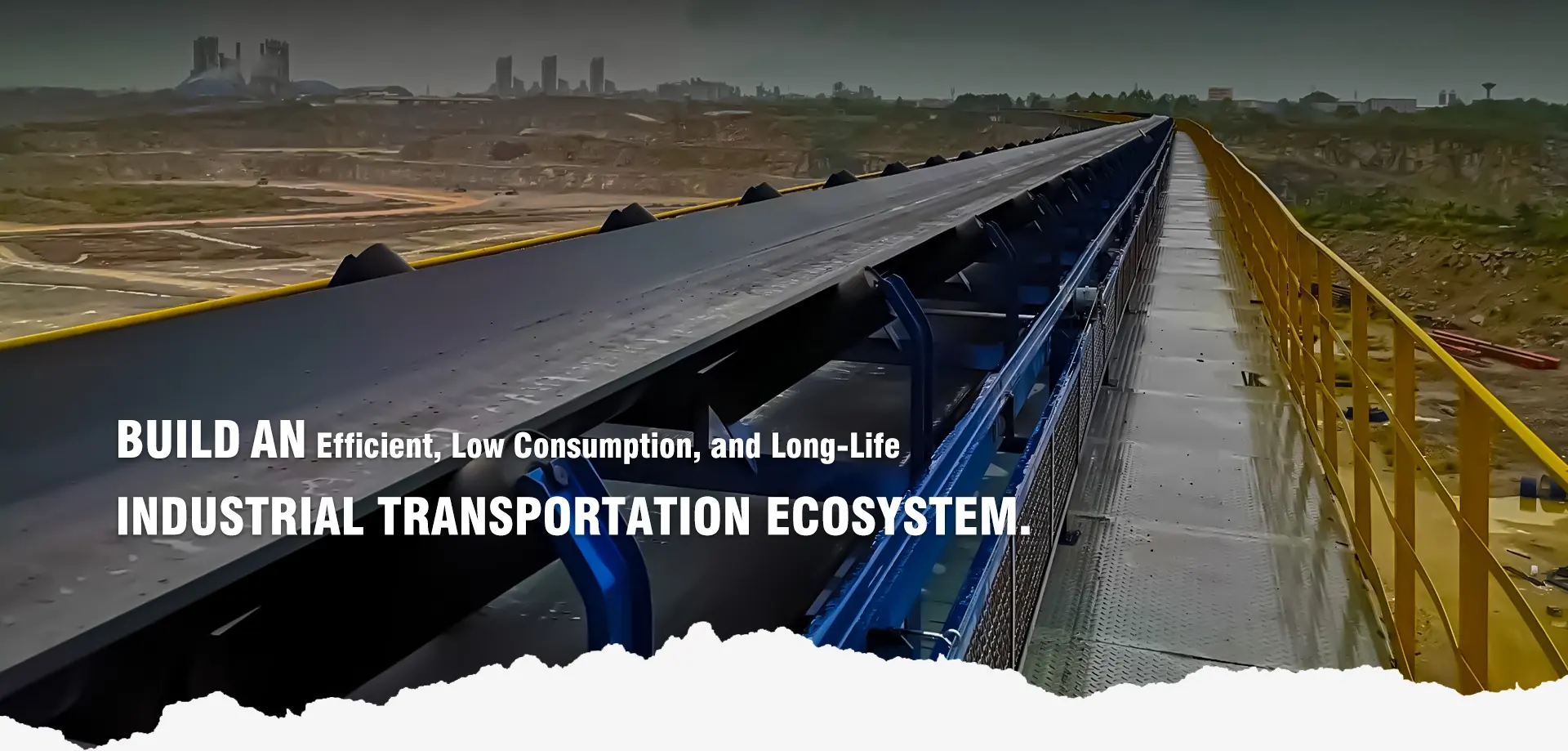
By utilizing high-density polyethylene (UHMW-PE) and adjustable mounting structures, facilities can reduce the friction coefficient and extend the life of their primary drive components. This level of detail in the supply chain—focusing on the precision of spare parts such as idlers, pulleys, and cleaners—is what allows large-scale industrial operations to maintain a low-consumption, high-reliability ecosystem.
Future-Proofing Industrial Transportation
The future of industrial movement lies in intelligence. We are seeing a trend toward "smart conveyors" that utilize sensor data to predict when a roller or a belt cleaner needs replacement before a failure occurs. This predictive maintenance approach, supported by manufacturers that adhere to international standards like CEMA and DIN, is shifting the industry from reactive repair to proactive optimization.
Ultimately, the goal for any manufacturing facility—whether it is focused on high-precision CNC machining or heavy-duty mining—is to create a seamless flow. When the underlying material transportation infrastructure is robust and engineered with precision, the entire production line achieves higher efficiency and lower operational costs.