















Woodworking Machinery from Scott+Sargeant

Benny Machine is an export-oriented supplier of CNC machinery and industrial production equipment for manufacturers that need reliable cutting, routing, milling, turning, engraving, and automated processing capability. Serving buyers in metal fabrication, woodworking, furniture production, signage, automotive parts, mold manufacturing, construction materials, and general industrial workshops, we focus on practical machine selection, stable performance, and long-term operating value rather than one-size-fits-all sales.

News

Top Brands

New Arrivals

The Impact of Power Quality on CNC Machine Precision and Productivity

A Heavy-Duty Standby Diesel Generator Set is often the unsung hero behind consistent CNC output. Without stable power, even the most advanced machining centers can produce scrap parts, suffer from tool breakage, or experience positional drift. For precision manufacturers, the relationship between power integrity and product quality is both direct and costly.

CNC machining center with backup power generator setup

Voltage sags, frequency fluctuations, and momentary interruptions are common in many industrial grids. When these disturbances hit a CNC machine, the results can range from minor surface finish issues to catastrophic tool collisions. The control systems, servo drives, and spindle motors all rely on a clean, stable electrical supply to maintain the sub‑micron tolerances required in aerospace, medical, and automotive parts.

The Hidden Risks of Voltage Fluctuations in CNC Operations

Even a 5% voltage drop can cause servo motors to lose torque momentarily, resulting in tool path deviations that are invisible to the operator but measurable in the final part. Similarly, harmonic distortion from nearby equipment can interfere with the CNC controller’s logic, leading to random alarms or skipped steps. Over time, repeated exposure to poor power quality accelerates wear on drive components, increasing maintenance costs and unplanned downtime.

In high‑mix, low‑volume shops, where setups are frequent and margins are tight, a single power‑related scratch on a titanium part can mean hundreds of dollars in lost material and labor. The cumulative effect of these incidents often goes unnoticed until a thorough root‑cause analysis is performed.

Why Backup Power is Becoming a Standard in Modern CNC Facilities

The trend toward lights‑out manufacturing and Industry 4.0 integration demands that machines run unattended for hours or even days. Any power interruption during those periods can ruin workpieces, waste cutting fluids, and require time‑consuming re‑homing sequences. As a result, facility managers are increasingly treating backup power not as an optional extra, but as a core infrastructure element.

Modern diesel generator sets are designed to start within seconds of a mains failure, providing seamless transition through automatic transfer switches. Some units incorporate advanced voltage regulation to protect sensitive electronics, while others are built into sound‑attenuated enclosures to keep noise levels acceptable in mixed‑use industrial parks.

Selecting the Right Generator for Your CNC Shop

Capacity is the first consideration: the generator must handle both the steady‑state load of all machines and the inrush current of spindle motors and coolant pumps. Fuel type, run time, and enclosure protection also matter. For facilities in harsh environments—such as those near coastlines or with high humidity—a ruggedized unit is advisable. For example, an OEM Marine Diesel Generator Set is designed to withstand moisture, salt spray, and vibration, making it a reliable choice for offshore or coastal machining operations.

Other features to evaluate include automatic voltage regulation, low oil shutdown, and remote monitoring capability. Many shops now integrate generator status into their facility management system, allowing maintenance teams to receive alerts before a potential failure occurs.

Maintenance and Integration Best Practices

A backup generator is only valuable if it performs when needed. Regular load bank testing, fuel quality checks, and battery maintenance are essential. Equally important is the proper synchronization of the transfer switch with the CNC equipment’s power‑up sequence. Some machines require a short delay after power restoration before they can safely resume operation, and the generator control logic should account for this.

Documenting the power quality baseline of the facility—before and after generator installation—helps quantify the return on investment. Many shops find that the reduction in scrap, tooling costs, and downtime pays for the backup system within two years.

Power reliability is not just about keeping the lights on; it’s about protecting the precision that defines modern CNC manufacturing. As tolerances tighten and automation expands, the role of robust, well‑integrated backup power becomes a competitive advantage—one that is quietly built into the best production floors.
The Impact of Power Quality on CNC Machine Precision and Productivity

The Evolution of Precision Manufacturing: How Advanced Materials Are Reshaping CNC Machining Efficiency

Frp Tank Machine technology has become a cornerstone in modern manufacturing, enabling precision and efficiency across various industrial sectors. As CNC machining continues to evolve, the integration of advanced materials and specialized equipment is driving new levels of performance in production environments worldwide.

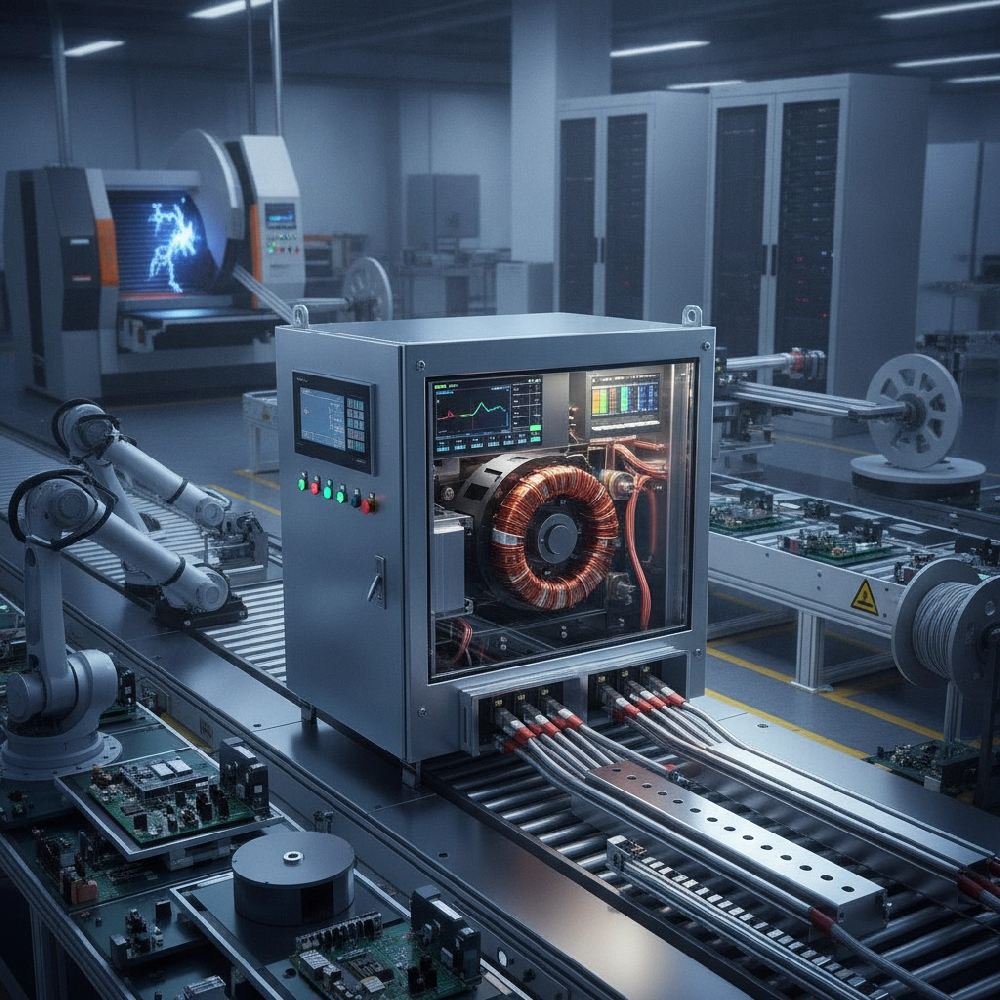
Advanced CNC machining and precision manufacturing equipment in modern industrial facility with automated systems

The Changing Landscape of CNC Machining

The manufacturing industry has witnessed remarkable transformations over the past decade. CNC machining, once limited to basic metal cutting and shaping, now encompasses a wide range of materials and processes. From aerospace components to medical devices, the demand for precision and consistency has never been higher. Manufacturers are increasingly turning to specialized equipment and advanced composite materials to meet these evolving requirements, creating a more interconnected production ecosystem than ever before.

Materials Innovation in Modern Manufacturing

One of the most significant trends in CNC machining is the shift toward composite and engineered materials. Fiberglass-reinforced plastics, advanced polymers, and corrosion-resistant alloys are becoming standard in industries ranging from automotive to chemical processing. These materials offer superior strength-to-weight ratios, enhanced durability, and improved resistance to harsh environments. The FRP Rebar Making Machine exemplifies how specialized equipment is enabling the production of high-performance composite materials that meet the rigorous demands of modern construction and infrastructure projects. As CNC operators work with an expanding variety of substrates, understanding material behavior becomes critical to achieving optimal machining parameters and final product quality.

The Role of Chemical Equipment in Manufacturing Efficiency

Behind every successful CNC machining operation lies a network of supporting systems and equipment. Chemical processing equipment, including reactors, storage tanks, and material handling systems, plays a critical role in ensuring that raw materials are properly prepared and maintained. For manufacturers working with corrosive or temperature-sensitive materials, the integrity of chemical equipment directly impacts product quality and production uptime. Advanced fiberglass tanks and corrosion-resistant piping systems are increasingly specified in facilities that require reliable material storage, transfer, and conditioning before components reach the machining floor.

Precision Engineering and Automation Trends

Automation is reshaping the CNC machining landscape. Smart factories equipped with IoT sensors, real-time monitoring systems, and automated material handling are becoming the norm. These technologies enable manufacturers to achieve higher throughput, reduce waste, and maintain consistent quality across production runs. The integration of advanced control systems with chemical processing equipment allows for precise management of material properties, temperature, and flow rates, ensuring that downstream machining operations receive materials with optimal characteristics. This convergence of mechanical and chemical engineering disciplines is driving new efficiencies in everything from metalworking to composite fabrication.

Sustainability and Material Efficiency

Environmental considerations are driving innovation in both CNC machining and material production. Manufacturers are adopting closed-loop systems, recycling programs, and energy-efficient processes to reduce their environmental footprint. The use of durable, long-lasting materials such as fiberglass composites reduces the need for frequent replacements, contributing to overall sustainability. Chemical equipment designed for efficient material utilization, minimal waste, and energy recovery is becoming increasingly important in this context. Machine shops that invest in sustainable material handling and processing solutions are finding themselves better positioned to meet regulatory requirements and customer expectations alike.

Future Outlook for CNC and Materials Processing

Looking ahead, the convergence of CNC machining, advanced materials, and chemical processing will continue to accelerate. Developments in additive manufacturing, hybrid machining processes, and intelligent automation are expected to open new possibilities for product design and production efficiency. Manufacturers that invest in integrated solutions—combining precision machining with reliable material handling and processing equipment—will be best positioned to compete in the global marketplace. The boundaries between traditional machining disciplines and material science are blurring, creating opportunities for those who can bridge both worlds.

The success of modern manufacturing depends on the seamless integration of multiple technologies and expertise. From the initial material preparation to the final machined component, every step in the production chain must work in harmony. As industries continue to push the boundaries of what is possible, the role of specialized equipment—whether for CNC machining, chemical processing, or composite material production—will remain essential to achieving the highest standards of quality, efficiency, and reliability.

The Evolution of Precision Manufacturing: How Advanced Materials Are Reshaping CNC Machining Efficiency

Precision Manufacturing in CNC Machining: The Role of Gas Control Systems in Quality Assurance

Gas Pretreatment Equipment-Cyclone Purifier is a cornerstone in many industrial processes, but how does it relate to CNC machining? In high-precision environments, the quality of compressed air and gas directly affects tool life, surface finish, and dimensional accuracy. This article explores the often-overlooked connection between gas supply purity and CNC manufacturing excellence.

High-precision CNC machining center with gas control equipment

CNC machine tools rely on pneumatic systems for clamping, chip removal, and cooling. Contaminants in the gas stream—such as moisture, oil, or particulate matter—can cause erratic actuator behavior, corrosion of precision components, and inconsistent cutting forces. For manufacturers aiming for tight tolerances (±0.005 mm or less), even minor gas impurities become a significant risk factor.

The Hidden Cost of Unclean Gas in CNC Operations

In a typical CNC workshop, compressed air is often taken for granted. Yet, studies show that poor air quality can reduce tool life by up to 30% and increase scrap rates significantly. When a machine’s pneumatic systems malfunction due to dirty gas, the resulting downtime and rework costs can be substantial. For example, a single spindle stoppage caused by a clogged air filter might cost hundreds of dollars per hour in lost production.

Beyond economics, there is a quality dimension. In industries like aerospace and medical device manufacturing, where components must meet stringent specifications, any deviation caused by gas quality issues can lead to rejection. This is where dedicated gas treatment systems become indispensable. They remove contaminants before they ever reach the machine, ensuring consistent performance.

Integrating Gas Preparation into CNC Workflows

Modern CNC facilities are increasingly adopting centralized gas purification units. These systems not only filter and dry the compressed air but also regulate pressure with high precision. For instance, L-CNG Gas Filling Equipment is designed for demanding applications, but its underlying principles of filtration and pressure control apply directly to any gas-based process in manufacturing. By maintaining a clean, stable gas supply, CNC operators can achieve more repeatable machining results.

The synergy between gas equipment and CNC machinery is particularly evident in processes like laser cutting, where assist gases (oxygen, nitrogen, or compressed air) must be free of impurities to ensure clean cuts. Similarly, in EDM (Electrical Discharge Machining), the dielectric fluid quality is critical—but even here, gas pressure regulating systems play a role in maintaining consistent flushing.

Real-World Case: A CNC Shop’s Transition to Clean Gas

Consider a medium-sized CNC job shop that specialized in precision parts for automotive prototyping. They were experiencing intermittent chatter and surface finish issues. After months of troubleshooting, the root cause was traced to moisture in the air line feeding the pneumatic tool changer. Installing a cyclone purifier and a downstream coalescing filter eliminated the problem. The investment paid for itself within three months through reduced scrap and improved machine uptime.

This example underscores a broader principle: in the quest for manufacturing excellence, every subsystem matters. The gas supply chain, often seen as a commodity, becomes a strategic asset when properly managed. Advanced gas pretreatment equipment not only ensures compliance with industry standards but also enhances the overall capability of the CNC fleet.

Conclusion: The Competitive Edge of Clean Gas

As CNC machining continues to push the boundaries of precision and efficiency, the role of auxiliary systems like gas treatment cannot be overstated. Manufacturers who invest in high-quality gas pretreatment equipment gain a tangible advantage: longer tool life, fewer defects, and more consistent output. For those seeking to elevate their production quality, evaluating the gas supply chain is a logical next step.

This article was written by an industry observer focusing on the intersection of precision manufacturing and gas control technologies.

Precision Manufacturing in CNC Machining: The Role of Gas Control Systems in Quality Assurance

Power Quality and Precision: Managing Voltage Stability in CNC Machining Environments

Open Type Natural Gas Generator systems are increasingly deployed in CNC machining facilities to address power quality challenges that directly affect machining precision and surface finish quality.

Modern CNC machining facility with precision equipment and power backup infrastructure

The Hidden Cost of Power Instability in CNC Operations

Precision CNC machining demands consistent electrical power. Voltage sags, frequency shifts, and harmonic distortions can cause spindle speed variations, tool chatter, and dimensional inaccuracies that compromise tight tolerances. For shops running multi-axis machines or high-speed milling operations, even a brief power disturbance can result in scrapped parts, tool damage, and costly rework. Industry data suggests that unplanned downtime due to power quality issues accounts for a significant percentage of production losses in metalworking facilities.

Modern CNC controllers rely on stable voltage and clean sine wave power to maintain servo accuracy and encoder feedback integrity. When incoming utility power fluctuates, machine control systems may interpret these variations as positioning errors, triggering alarms or, worse, producing out-of-spec parts without immediate detection. For sectors like aerospace, medical device manufacturing, and automotive tooling where tolerances are measured in microns, this risk is unacceptable.

Common Power Quality Issues in Industrial Settings

Industrial environments present unique power quality challenges. Heavy machinery startup, welding equipment, and HVAC systems can create voltage dips and transient surges that propagate through the facility's electrical network. CNC machines are particularly sensitive to these disturbances because their digital control systems require tightly regulated power for consistent operation. Key issues include:

  • Voltage sags and swells — Momentary drops or rises in voltage levels that can cause spindle speed fluctuations and control logic errors.
  • Harmonic distortion — Non-linear loads from variable frequency drives and rectifiers inject harmonics into the power system, heating transformers and causing motor vibration.
  • Frequency deviations — Grid instability or generator frequency drift can affect synchronous motor speeds and time-based machining operations.
  • Transient overvoltages — Sudden spikes from lightning strikes or switching events can damage sensitive CNC electronics and drives.

Understanding these issues is the first step toward implementing effective power protection strategies. Many facility managers invest in power conditioning equipment, uninterruptible power supplies, and backup generation to create a robust electrical infrastructure that supports continuous precision machining.

Backup Generation as a Foundation for Power Reliability

For CNC facilities that cannot tolerate production interruptions, a well-designed backup power system is essential. Generators serve as the backbone of a comprehensive power quality strategy, providing energy when utility supply fails or becomes unstable. The selection of generator type, fuel source, and capacity must align with the facility's specific load profile and operational requirements.

Natural gas generators offer advantages for facilities with access to pipeline gas, including lower fuel costs, cleaner combustion, and automatic fuel supply without storage limitations. For larger operations or those requiring higher power density, 1000-2000KVA Diesel Generators provide the robust output needed to support multiple CNC machines, chillers, air compressors, and facility lighting simultaneously. These systems are designed for continuous duty and can handle the high inrush currents associated with motor starting and machine tool operation.

Proper generator sizing requires careful analysis of the facility's connected load, including starting currents for the largest motors and the cumulative load of all CNC machines. Oversizing can lead to inefficient operation under light load, while undersizing risks voltage and frequency instability during critical machining operations. Many facilities work with power systems engineers to perform load studies and select generators that match their specific operational profile.

Integrating Generators with CNC Facility Power Systems

Effective integration of backup generation into a CNC facility's electrical infrastructure goes beyond simply connecting a generator to the main panel. Automatic transfer switches, synchronizing controls, and load management systems ensure seamless transition between utility and generator power. For facilities with multiple CNC machines, a prioritized load shedding scheme can direct generator capacity to the most critical equipment during extended outages.

Precision Engineering in High-Security Storage: The Role of CNC and Automated Manufacturing

Bank Safe Deposit Boxes and high-security enclosures require more than just thick steel; they demand microscopic precision in every weld and seam. In the modern landscape of asset protection, the margin for error has effectively vanished. As security threats evolve, the hardware designed to combat them must rely on advanced machining processes to ensure structural integrity and tamper resistance.

Advanced industrial manufacturing and CNC processing equipment

The intersection of heavy-duty metal fabrication and digital intelligence is where the next generation of security hardware is born. For manufacturers in the security sector, the shift from manual labor to fully digitalized, automated production lines is no longer an option—it is a necessity for maintaining the rigorous standards required by global banking and hospitality industries.

The Impact of CNC Technology on Material Integrity

Computer Numerical Control (CNC) machining has revolutionized how raw steel is transformed into specialized security components. Unlike traditional cutting methods, CNC technology allows for incredibly tight tolerances. This is critical when producing components like vault doors or intelligent gun cabinets, where even a millimeter of deviation can compromise a locking mechanism or create a vulnerability for physical breach.

When we analyze the supply chain of high-end security products, the quality of the initial shearing and stamping processes determines the longevity of the entire unit. Automated spraying lines and robotic welding ensure that the protective coatings are uniform and that the structural joins are seamless, preventing the oxidation and mechanical failure that often plague lower-quality metal goods.

Scaling Precision: From Industrial Vaults to Hospitality Solutions

The versatility of modern manufacturing equipment allows for a diverse range of output, from massive energy storage prefabricated partitions to much smaller, highly specialized units. In the hospitality sector, for instance, the requirement for a reliable Hotel Safe necessitates a balance between compact design and high-strength fabrication.

Key Pillars of Advanced Security Manufacturing:

  • Digitalized Production Management: Real-time monitoring of shearing, welding, and assembly.
  • Robotic Integration: Eliminating human error in high-precision welding tasks.
  • Automated Finishing: Ensuring consistent powder coating and surface treatment for corrosion resistance.

Future Trends: Intelligent Security Ecosystems

Looking forward, the industry is moving toward "intelligent" security hardware. This means integrating software management with mechanical excellence. Companies like Hebei Zhengyi Intelligent Technology Co., Ltd. are at the forefront of this shift, leveraging high-tech R&D to bridge the gap between traditional steel fabrication and modern digital intelligence. By combining massive production capacities with sophisticated CNC machinery, the industry is setting new benchmarks for what it means to be "secure."

As we advance, the focus will remain on the synergy between high-quality raw material control and the automation of the production line, ensuring that every piece of hardware—whether it is a filing cabinet or a complex vault—is built to withstand the tests of both time and technology.

Precision Engineering in High-Security Storage: The Role of CNC and Automated Manufacturing

Optimizing Material Flow in CNC-Integrated Industrial Environments

Nylon Side Wing Roller components and high-precision conveying systems are becoming essential as CNC machining and automated manufacturing scale upward. In modern industrial ecosystems, the synchronization between heavy-duty machining and the logistics that feed it determines the overall throughput of a facility.

The shift toward Industry 4.0 has fundamentally changed how engineers view the relationship between static machinery and dynamic material movement. It is no longer sufficient to simply have a high-speed CNC mill if the raw materials or processed components cannot reach the workstation with consistent timing and minimal damage.

Industrial material handling and automated conveying system overview

The Convergence of Precision Machining and Material Logistics

As CNC technology advances, the tolerances required for part movement become increasingly stringent. In sectors like aerospace, automotive, and specialized metal fabrication, the "hidden" costs of production often lie in the gaps between machines. If a conveyor belt vibrates excessively or misaligns a heavy component, it can lead to microscopic defects or catastrophic downtime.

Key Challenges in Modern Conveying:

  • Material degradation during high-speed transit.
  • Energy consumption of heavy-duty motor systems.
  • Mechanical wear and tear in abrasive environments like mining or construction.
  • The need for modular, adjustable hardware to suit varying production volumes.

Mitigating Impact and Wear through Advanced Engineering

One of the most critical points of failure in any bulk material handling system is the loading zone. When heavy ores, aggregates, or metal scraps drop onto a belt, the kinetic energy can cause significant structural damage. This is where the integration of specialized components like an Adjustable UHMW-PE Impact Bed becomes vital. These systems absorb the initial shock, protecting the conveyor belt's integrity and ensuring the belt remains flat for the subsequent stages of transport.

By utilizing high-density polyethylene (UHMW-PE) and adjustable mounting structures, facilities can reduce the friction coefficient and extend the life of their primary drive components. This level of detail in the supply chain—focusing on the precision of spare parts such as idlers, pulleys, and cleaners—is what allows large-scale industrial operations to maintain a low-consumption, high-reliability ecosystem.

Future-Proofing Industrial Transportation

The future of industrial movement lies in intelligence. We are seeing a trend toward "smart conveyors" that utilize sensor data to predict when a roller or a belt cleaner needs replacement before a failure occurs. This predictive maintenance approach, supported by manufacturers that adhere to international standards like CEMA and DIN, is shifting the industry from reactive repair to proactive optimization.

Ultimately, the goal for any manufacturing facility—whether it is focused on high-precision CNC machining or heavy-duty mining—is to create a seamless flow. When the underlying material transportation infrastructure is robust and engineered with precision, the entire production line achieves higher efficiency and lower operational costs.

Optimizing Material Flow in CNC-Integrated Industrial Environments

Optimizing CNC Workshop Ergonomics: Integrating Material Handling with Precision Machining

Using a Spring Balancer is often the first step toward improving workstation ergonomics in modern CNC environments. As machining technologies advance toward higher speeds and tighter tolerances, the bottleneck in production often shifts from the machine itself to the manual processes surrounding it. The movement of heavy workpieces, cutting tools, and fixtures can introduce vibrations or physical fatigue that ultimately compromises the precision of a CNC operation.

Industrial lifting and material handling machinery in a manufacturing setting

The Hidden Impact of Material Handling on CNC Accuracy

In a high-precision CNC machine shop, every micron counts. While engineers focus heavily on spindle runout, tool wear, and thermal stability, the logistics of how a workpiece enters and exits the machine are frequently overlooked. Improper handling of heavy metal billets or large castings can lead to micro-damage on machined surfaces or, more critically, misalignment during the loading phase.

The transition from raw material to finished component requires a seamless flow. If the material handling equipment is uncoordinated with the machine cycle, the resulting downtime and human error can erode the ROI of even the most expensive multi-axis machining centers. This is why integrated lifting solutions—ranging from specialized cargo trolleys to advanced hoisting systems—are becoming essential components of a cohesive manufacturing strategy.

Addressing Workflow Bottlenecks in Heavy Component Machining

For shops specializing in large-scale industrial components, space utilization and maneuverability are constant challenges. Fixed overhead cranes are standard, but they lack the flexibility required for dynamic floor layouts where machines are frequently reconfigured to accommodate new production runs.

In these scenarios, modular solutions like an Adjustable Gantry Crane provide the necessary adaptability. Such equipment allows technicians to move heavy fixtures directly to the machine's loading zone without the need for permanent structural modifications to the facility. By bridging the gap between the storage area and the machine bed, these tools ensure that the "setup time"—a critical metric in CNC efficiency—is minimized.

Key Factors for Selecting Lifting Equipment in Machine Shops:

  • Load Capacity vs. Precision: Ensuring the lifting device can handle the weight without excessive sway, which could damage delicate machine interfaces.
  • Operational Versatility: Selecting tools that can move between different machine cells to maximize utility.
  • Durability in Harsh Environments: Machinery must withstand the presence of cutting fluids, metal dust, and temperature fluctuations common in CNC environments.
  • Safety Compliance: Adhering to international standards to protect both the high-value assets and the skilled operators.

Conclusion: A Holistic Approach to Production

To achieve true excellence in CNC machining, manufacturers must look beyond the spindle. A holistic approach involves optimizing the entire ecosystem—from the precision of the cutting tool to the reliability of the supply chain and the efficiency of the material handling equipment. By integrating smart lifting solutions and ergonomic tools, shops can reduce fatigue, prevent workpiece damage, and ultimately drive higher throughput and better quality standards in their finished products.

Optimizing CNC Workshop Ergonomics: Integrating Material Handling with Precision Machining

Precision Engineering in Automotive Friction Materials: The Intersection of CNC Machining and Safety

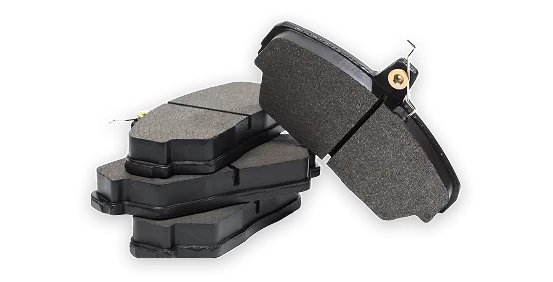
Understanding bonding brake pads requires a deep dive into the material science and mechanical tolerances that govern modern vehicle safety. As automotive engineering moves toward higher performance and lighter-weight components, the synergy between high-precision manufacturing and advanced friction formulas has become more critical than ever before.

Precision automotive component manufacturing process

In the world of high-precision machinery, specifically within CNC-driven production lines, the margin for error is microscopic. When we discuss braking systems, we are not just talking about simple friction; we are discussing heat dissipation, structural integrity under extreme thermal stress, and the chemical stability of bonding agents used to fuse friction material to the steel backing plate.

The Role of CNC Precision in Component Consistency

The manufacturing of automotive sub-components relies heavily on the accuracy of CNC machining. Whether it is the calibration of calipers or the precise shaping of brake shoes, the geometry of these parts dictates how energy is converted from kinetic to thermal form. If a component deviates by even a fraction of a millimeter, it can lead to uneven wear, vibration, or catastrophic failure during high-speed deceleration.

Modern production facilities utilize advanced CNC technology to ensure that every batch of parts meets rigorous industrial standards. This precision is particularly vital when integrating complex ventilation structures designed to manage the intense heat generated during heavy-duty braking cycles.

Material Science: Beyond Simple Friction

The evolution of friction material formulas has shifted from basic organic compounds to highly sophisticated, eco-friendly mixtures. The challenge for material scientists is to balance three conflicting variables: noise reduction, thermal stability, and environmental impact. Traditional formulations often relied on heavy metals, but industry trends are moving toward "green" friction materials that maintain high performance without releasing harmful particulate matter.

Key Technical Challenges in Brake Production:

  • Thermal Dissipation: Preventing brake fade through efficient heat management.
  • Acoustic Optimization: Utilizing low-noise technology to eliminate squeal.
  • Structural Integrity: Ensuring the bonding of materials survives high-pressure environments.

Economic and Operational Considerations

For fleet managers and individual vehicle owners, understanding the lifecycle of these components is essential for budgeting. While the initial front rear brakes cost can vary based on the quality of the friction material and the complexity of the manufacturing process, investing in high-durability components often results in lower long-term maintenance expenses. A component designed with superior ventilation and optimized friction formulas will naturally last longer, reducing the frequency of replacement cycles.

In the broader industrial context, the supply chain for these parts—ranging from raw material sourcing to the final CNC-machined assemblies—serves as a backbone for the global automotive aftermarket. Companies like Kaiyuan Auto Parts Co., Ltd. exemplify this by providing the high-quality production and R&D capabilities required to meet these evolving technical demands, ensuring that the fundamental components of vehicle safety are both reliable and sustainable.

Conclusion: The Future of Braking Systems

As we look toward the future of automotive technology, including the rise of electric vehicles (EVs), the requirements for braking systems are changing again. EVs require different torque profiles and regenerative braking integration, placing even more pressure on the precision of friction materials and the durability of the hardware. The intersection of CNC manufacturing excellence and advanced chemical engineering will remain the cornerstone of automotive safety for decades to come.

Precision Engineering in Automotive Friction Materials: The Intersection of CNC Machining and Safety

Precision Under Pressure: The Critical Impact of Power Quality on CNC Machining and Tooling Integrit

IMG_202608063709_png.png

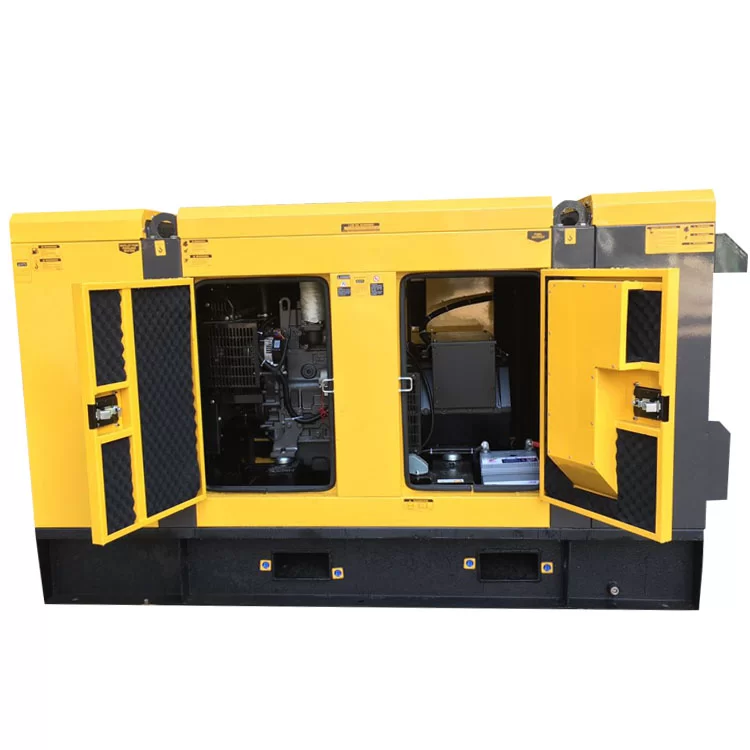
A generator 300kva system is often the unsung hero of a highly profitable precision manufacturing facility. In the demanding realm of modern machining, CNC machining centers, heavy-duty multi-axis lathes, and industrial milling machines operate on incredibly strict tolerances that are frequently measured in fractions of a micron. In this high-stakes environment, even a micro-outage or a subtle voltage sag lasting only a few milliseconds can disrupt a complex machining cycle. The results are usually catastrophic: ruined workpieces, shattered cutting tools, and significant long-term spindle damage. This article delves deeply into the critical importance of clean, uninterrupted three-phase power in preserving the physical integrity of advanced manufacturing processes.

The Mechanics of a Spindle Crash

To fully grasp the risk of poor power quality, one must look at the mechanics of metal removal. In a high-production machining environment, the spindle is the beating heart of the operation. Modern CNC machines utilize sophisticated AC servo motors and closed-loop optical encoder feedback systems to maintain precise cutting speeds and exact feed rates. When the electrical grid experiences a brownout or a total failure, these synchronized servo systems lose their coordination instantly.

Imagine a scenario where a solid carbide end mill is engaged in a high-speed, deep pocketing operation on a solid block of aerospace-grade titanium. If the power fails, the sudden, uncontrolled deceleration of the spindle, combined with the immediate loss of axis control, almost guarantees tool breakage. Worse yet, the extreme friction can cause the broken tool to friction-weld itself to the workpiece. This effectively destroys a highly expensive component mid-production. The financial impact extends far beyond the cost of replacing the tool; it encompasses the lost raw material, the wasted labor hours, machine downtime for recalibration, and the potential failure to meet strict supply chain delivery deadlines.

Demystifying Three-Phase Power in the Shop Floor

Industrial manufacturing machinery requires robust, perfectly balanced three-phase power to deliver the high torque and smooth rotational forces necessary for cutting tough superalloys like Inconel or hardened steel. Unlike single-phase residential power, which peaks and dips, three-phase power provides a continuous, overlapping flow of energy that keeps heavy motors running with optimal efficiency and minimal vibration.

Maintaining the stability of this three-phase supply is paramount. Voltage imbalances between the phases—often caused by grid instability or neighboring industrial facilities—can cause excessive heat generation within the machine's spindle motors. This heat prematurely degrades winding insulation and significantly reduces the lifespan of the equipment. To combat this, advanced manufacturing facilities must integrate high-performance standby power systems capable of delivering highly regulated voltage and frequency with near-zero harmonic distortion.

Bridging the Gap: The Synergy of UPS and Standby Generation

The implementation of a highly responsive power backup strategy transforms a machine shop from a vulnerable, reactive environment into an unstoppable, proactive one. However, because CNC controllers are highly sensitive computers, even the few seconds it takes for a mechanical engine to start can cause a system reboot and a tool crash. Therefore, premium facilities utilize a layered approach.

First, an industrial Uninterruptible Power Supply (UPS)—often utilizing flywheel technology or high-discharge batteries—conditions the grid power and provides instantaneous ride-through energy. Simultaneously, an intelligent Automatic Mains Failure (AMF) panel detects the anomaly and commands the primary backup system to start. Within seconds, the heavy-duty power station assumes the full load of the shop floor, seamless taking over from the UPS. This intricate choreography ensures absolutely zero interruption to the cutting cycle, drastically reducing scrap rates and protecting profit margins.

Thermal Management in Factory Environments

Machine shops are notoriously harsh environments. The ambient air is often laden with atomized coolant, metallic dust, and significant heat generated by the machining processes themselves. Power equipment installed in or near these facilities must be exceptionally robust. Standard commercial units would quickly suffer from clogged filters and thermal shutdown under continuous operation.

Premium manufacturers engineer their equipment with environmental adaptability at the forefront. This includes the integration of heavy-duty anti-dust filtration systems and oversized industrial radiators designed to dissipate engine heat efficiently, even when operating at maximum load during the height of summer. These ruggedized builds ensure that the power supply remains a reliable asset rather than a maintenance liability.

Sourcing Robust Solutions from Advanced Suppliers

Determining the correct capacity for a manufacturing facility involves auditing the total connected load, accounting for CNC machines, air compressors, industrial parts washers, and shop HVAC systems. For specific automated production cells or mid-sized aerospace component shops, sourcing a dedicated 30 kilowatt generator from a high-quality provider can offer the perfect localized failsafe. This provides enough continuous prime power to keep critical multi-axis machines running safely during extended rolling blackouts.

Furthermore, the integration of Industrial Internet of Things (IIoT) technologies allows plant managers to remotely monitor engine parameters and fuel efficiency in real-time. By partnering with advanced suppliers who prioritize rugged hardware and predictive maintenance analytics, machining facilities can guarantee that their operations remain uninterrupted, safeguarding their precision equipment and solidifying their reputation for flawless execution.


Precision Under Pressure: The Critical Impact of Power Quality on CNC Machining and Tooling Integrit

Precision Extrusion Mechanics: Managing Pressure Gradients in High-Density Industrial Compounding

0000img9321-1-238.png

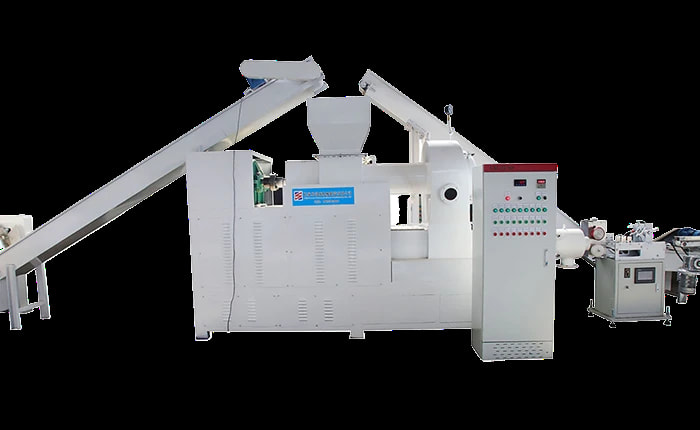
State-of-the-art professional soap making equipment illustrates the extreme mechanical tolerances required in modern high-viscosity extrusion. In the broader realm of industrial manufacturing, processing high-density materials—ranging from synthetic polymer blends to concentrated chemical bases—presents a unique set of metallurgical and mechanical challenges. Unlike low-viscosity liquids that can be easily transported via centrifugal pumps, highly dense compounds require immense, sustained mechanical force to be shaped, refined, and extruded. The architectural design of the machinery utilized in these critical final stages directly dictates the structural integrity, surface finish, and dissolution rate of the end product. Understanding the highly nuanced mechanics behind internal pressure gradients, die-swell phenomena, and thermal dispersion is an absolute necessity for any facility engineer aiming to achieve operational excellence and zero-defect manufacturing.

The Tribology and Physics of High-Viscosity Extrusion

When high-density compounds are forced under extreme pressure through a hardened steel extrusion barrel, they exhibit incredibly complex rheological behaviors. The internal worm shaft, or auger, must be engineered with absolute precision regarding its pitch, flight depth, and helical geometry. The goal is to maintain a continuous, volumetric forward flow without generating excessive back-pressure or causing the material to slip backward over the flights. If the auger's design is suboptimal for the specific compound being processed, it results in erratic output rates, fluctuating material density, and structural micro-fractures in the extruded billet. Advanced mechanical designers now utilize sophisticated Computational Fluid Dynamics (CFD) and Finite Element Analysis (FEA) to optimize these internal geometries. By ensuring a steady, perfectly calculated compression ratio along the entire length of the barrel, the machinery systematically forces the material into a highly plasticized, homogenous state, entirely eliminating microscopic air pockets before the compound reaches the final die plate.

Managing Die-Swell and Molecular Alignment

A critical phenomenon encountered in the extrusion of visco-elastic materials is "die-swell" (the Barus effect). When a polymer or dense chemical matrix is compressed through a shaping die, the polymer chains are forced into alignment. Upon exiting the die, the sudden release of pressure causes the molecular chains to recoil and expand, leading to a dimensional change in the extruded product. If not strictly controlled, this expansion ruins the dimensional tolerances of the final product, rendering it unsuitable for automated packaging or downstream assembly. To mitigate die-swell, engineers must carefully calibrate the length-to-diameter (L/D) ratio of the die land and precisely control the temperature profile at the exit point. By maintaining a specific thermal state, the material's relaxation time is optimized, ensuring that the extruded shape remains dimensionally stable and geometrically perfect as it transitions to the cutting or stamping phase.

Vacuum Degassing and the Pursuit of Absolute Density

Achieving a highly refined, premium texture requires multiple stages of intense mechanical manipulation prior to final shaping. Typically, materials first pass through heavy-duty three-roll grinders that exert immense hydraulic pressure to crush unreacted particles and aggressively align the molecular structure. However, the true hallmark of advanced material processing lies in the final extrusion phase. For specialized applications demanding exceptional density and flawless structural integrity, the utilization of a specialized simplex plodder machine is widely recognized as the industry standard. This equipment features a powerful, high-torque motor driving a precision-machined worm shaft, all enclosed within a rigorously maintained vacuum chamber. The vacuum environment is critical; it actively extracts entrapped microscopic air bubbles and volatile gases from the compounded mass. This degassing process prevents internal structural weaknesses, ensuring that the final extruded billet is rock-solid, completely uniform, and perfectly prepared for high-speed automated cutting and precision stamping.

The Impact of Metallurgy on Equipment Longevity

The continuous processing of dense, sometimes abrasive or corrosive chemical compounds places extraordinary wear and tear on manufacturing infrastructure. The science of metallurgy plays a pivotal role in the lifespan of this equipment. Standard carbon steels will quickly degrade, leading to metal contamination in the product and catastrophic machinery failure. Therefore, the augers, barrels, and die plates must be machined from specialized alloys, such as 316L stainless steel, and often undergo advanced surface hardening treatments like nitriding or tungsten carbide coating. These treatments drastically reduce the coefficient of friction and provide exceptional resistance to both chemical corrosion and mechanical abrasion. When facility managers source replacement parts or entirely new processing lines, verifying the exact metallurgical specifications of the wetted parts is a critical step in ensuring long-term operational viability.

Evaluating Advanced Suppliers for Scalable Infrastructure

Scaling up production capabilities in a high-viscosity processing plant necessitates rigorous, exhaustive due diligence when selecting mechanical infrastructure. The true cost of equipment failure in this sector extends far beyond immediate maintenance invoices; it manifests in massive batches of ruined raw materials, missed delivery schedules, and catastrophic production bottlenecks. Consequently, when industrial procurement officers evaluate machinery for sale, they must look far beyond superficial performance specifications. It is imperative to partner with a premium manufacturer known for stringent quality control, robust structural engineering, and the integration of state-of-the-art PLC automation. Reliable, high-quality providers offer more than just raw machinery—they provide engineered, scalable solutions. By integrating equipment backed by profound engineering expertise, factories can guarantee continuous, high-yield operation, ultimately protecting their capital investments and ensuring consistent superiority in their final product offerings.


Precision Extrusion Mechanics: Managing Pressure Gradients in High-Density Industrial Compounding

Revolutionizing Machine Diagnostics: The Evolution of Industrial Automation

The Convergence of Control Systems

Integrating siemens plc and hmi architectures has fundamentally shifted how industrial machinery operates today. In the fast-paced realm of heavy machinery manufacturing, operators require real-time data to prevent catastrophic failures. The bridge between complex algorithmic control and human decision-making is critical. By synchronizing programmable logic controllers with intuitive human-machine interfaces, plant managers can instantly visualize operational bottlenecks, translating raw sensor data into actionable maintenance strategies. This dynamic interaction significantly reduces the time required to diagnose mechanical faults on the factory floor.

Addressing Mechanical Fatigue

Traditional manufacturing equipment often suffered from a lack of dynamic feedback. When a spindle or conveyor belt experienced sudden torque spikes, legacy systems would simply trip or, worse, sustain permanent mechanical damage. Modern automated ecosystems, however, utilize intelligent drive units to monitor current and voltage fluctuations at the microsecond level. This proactive approach significantly extends the lifecycle of mechanical components, ensuring continuous, high-precision operations in demanding industrial environments where mechanical fatigue is a constant threat.

Industrial Precision Control Using Variable Frequency Converter

Navigating Technical Documentation for Optimal Performance

To maximize the return on investment for these complex systems, engineers must adhere strictly to original technical guidelines. For example, referencing a comprehensive cu310 manual is essential when configuring advanced control units to ensure proper parameterization of the drive system. When industrial facilities collaborate with an advanced supplier for their automation components, they gain access not only to top-tier hardware but also to the critical documentation required for seamless integration. A high-quality provider ensures that every control module is backed by rigorous technical support, enabling machinery manufacturers to achieve unprecedented levels of precision and reliability.

Revolutionizing Machine Diagnostics: The Evolution of Industrial Automation

The Backbone of CNC Precision: Mastering Linear Motion Architecture

Sourcing a custom ball screw cnc configuration immediately impacts the final machining tolerances of any automated equipment. Computer Numerical Control (CNC) machines operate on the principle of absolute repeatability. Whether milling aerospace titanium or shaping intricate injection molds, the machine's ability to return to a precise coordinate time and time again is entirely dependent on the quality of its linear guides and ball screws. Any compromise in these foundational elements results in immediate degradation of the workpiece.

ball-screw-2505-manufacturer.png

Eradicating Backlash and Enhancing Repeatability

One of the primary challenges in CNC manufacturing is eliminating backlash—the slight mechanical clearance that causes lag when a machine reverses direction. Advanced suppliers tackle this by implementing strict tolerance standards and utilizing pre-loaded nut designs. This ensures constant tension and contact between the bearings and the thread, allowing the machine to execute complex circular interpolations and multi-axis transitions with zero deviation. A flawlessly executed drive system directly translates to superior surface finishes, reducing the need for secondary polishing.

The Rise of Silent, Heavy-Duty Machining

Historically, high-load capacities in CNC machines came at the cost of extreme noise and vibration. However, modern engineering has broken this paradigm. By integrating components from a specialized silent linear guide manufacturer, machinery builders can now utilize SynchMotion technology. This uniformly spaces the internal rolling elements, drastically cutting down acoustic noise while evenly distributing the dynamic load. As a result, the CNC machine not only operates more quietly but also benefits from an extended maintenance cycle, lowering long-term operational costs and maximizing factory floor productivity.

The Backbone of CNC Precision: Mastering Linear Motion Architecture

If you are interested in our products, you can choose to leave your information here, and we will be in touch with you shortly.