
Gas Pretreatment Equipment-Cyclone Purifier is a cornerstone in many industrial processes, but how does it relate to CNC machining? In high-precision environments, the quality of compressed air and gas directly affects tool life, surface finish, and dimensional accuracy. This article explores the often-overlooked connection between gas supply purity and CNC manufacturing excellence.
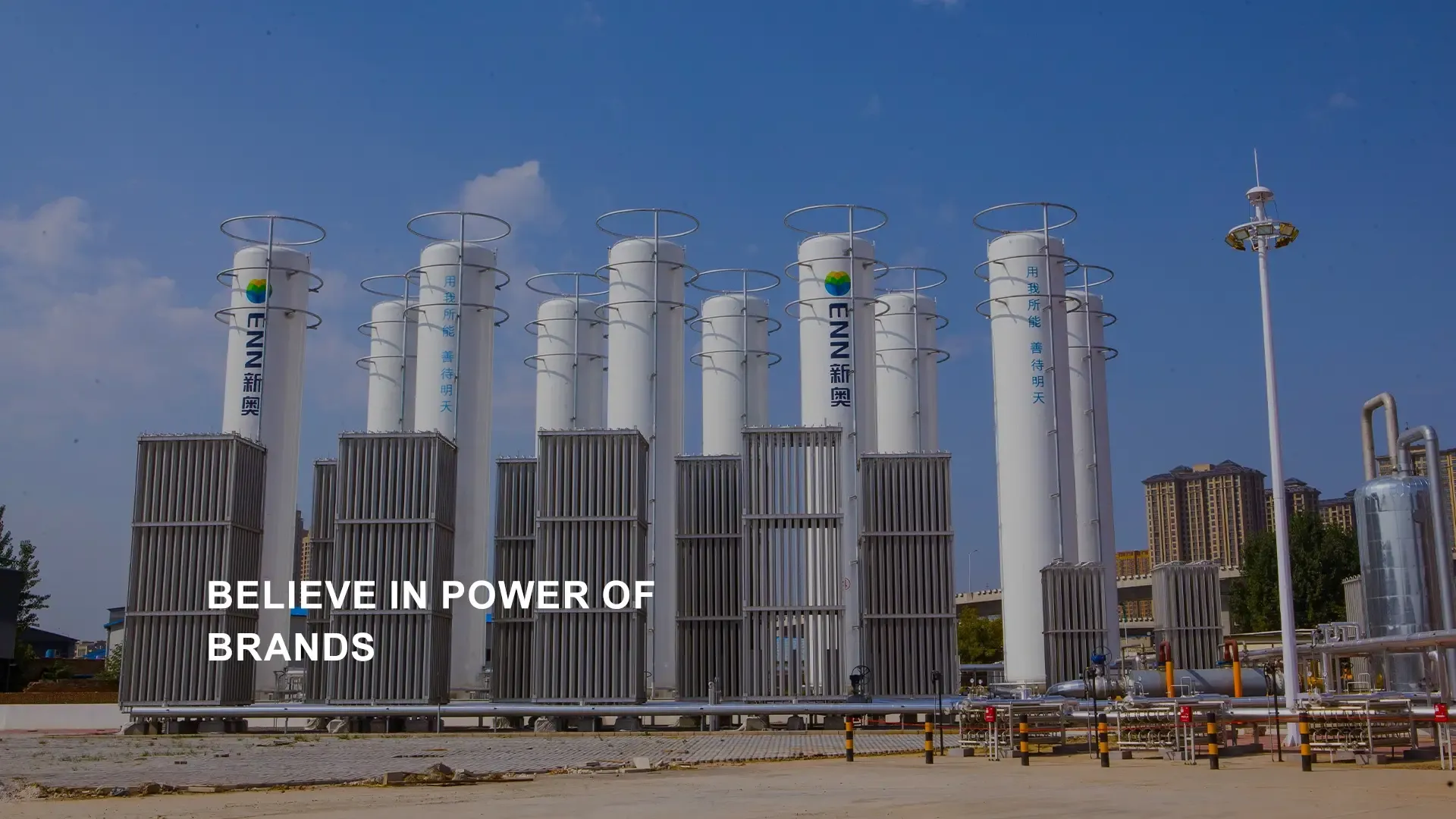
CNC machine tools rely on pneumatic systems for clamping, chip removal, and cooling. Contaminants in the gas stream—such as moisture, oil, or particulate matter—can cause erratic actuator behavior, corrosion of precision components, and inconsistent cutting forces. For manufacturers aiming for tight tolerances (±0.005 mm or less), even minor gas impurities become a significant risk factor.
The Hidden Cost of Unclean Gas in CNC Operations
In a typical CNC workshop, compressed air is often taken for granted. Yet, studies show that poor air quality can reduce tool life by up to 30% and increase scrap rates significantly. When a machine’s pneumatic systems malfunction due to dirty gas, the resulting downtime and rework costs can be substantial. For example, a single spindle stoppage caused by a clogged air filter might cost hundreds of dollars per hour in lost production.
Beyond economics, there is a quality dimension. In industries like aerospace and medical device manufacturing, where components must meet stringent specifications, any deviation caused by gas quality issues can lead to rejection. This is where dedicated gas treatment systems become indispensable. They remove contaminants before they ever reach the machine, ensuring consistent performance.
Integrating Gas Preparation into CNC Workflows
Modern CNC facilities are increasingly adopting centralized gas purification units. These systems not only filter and dry the compressed air but also regulate pressure with high precision. For instance, L-CNG Gas Filling Equipment is designed for demanding applications, but its underlying principles of filtration and pressure control apply directly to any gas-based process in manufacturing. By maintaining a clean, stable gas supply, CNC operators can achieve more repeatable machining results.
The synergy between gas equipment and CNC machinery is particularly evident in processes like laser cutting, where assist gases (oxygen, nitrogen, or compressed air) must be free of impurities to ensure clean cuts. Similarly, in EDM (Electrical Discharge Machining), the dielectric fluid quality is critical—but even here, gas pressure regulating systems play a role in maintaining consistent flushing.
Real-World Case: A CNC Shop’s Transition to Clean Gas
Consider a medium-sized CNC job shop that specialized in precision parts for automotive prototyping. They were experiencing intermittent chatter and surface finish issues. After months of troubleshooting, the root cause was traced to moisture in the air line feeding the pneumatic tool changer. Installing a cyclone purifier and a downstream coalescing filter eliminated the problem. The investment paid for itself within three months through reduced scrap and improved machine uptime.
This example underscores a broader principle: in the quest for manufacturing excellence, every subsystem matters. The gas supply chain, often seen as a commodity, becomes a strategic asset when properly managed. Advanced gas pretreatment equipment not only ensures compliance with industry standards but also enhances the overall capability of the CNC fleet.
Conclusion: The Competitive Edge of Clean Gas
As CNC machining continues to push the boundaries of precision and efficiency, the role of auxiliary systems like gas treatment cannot be overstated. Manufacturers who invest in high-quality gas pretreatment equipment gain a tangible advantage: longer tool life, fewer defects, and more consistent output. For those seeking to elevate their production quality, evaluating the gas supply chain is a logical next step.
This article was written by an industry observer focusing on the intersection of precision manufacturing and gas control technologies.