
Frp Tank Machine technology has become a cornerstone in modern manufacturing, enabling precision and efficiency across various industrial sectors. As CNC machining continues to evolve, the integration of advanced materials and specialized equipment is driving new levels of performance in production environments worldwide.
The Changing Landscape of CNC Machining
The manufacturing industry has witnessed remarkable transformations over the past decade. CNC machining, once limited to basic metal cutting and shaping, now encompasses a wide range of materials and processes. From aerospace components to medical devices, the demand for precision and consistency has never been higher. Manufacturers are increasingly turning to specialized equipment and advanced composite materials to meet these evolving requirements, creating a more interconnected production ecosystem than ever before.
Materials Innovation in Modern Manufacturing
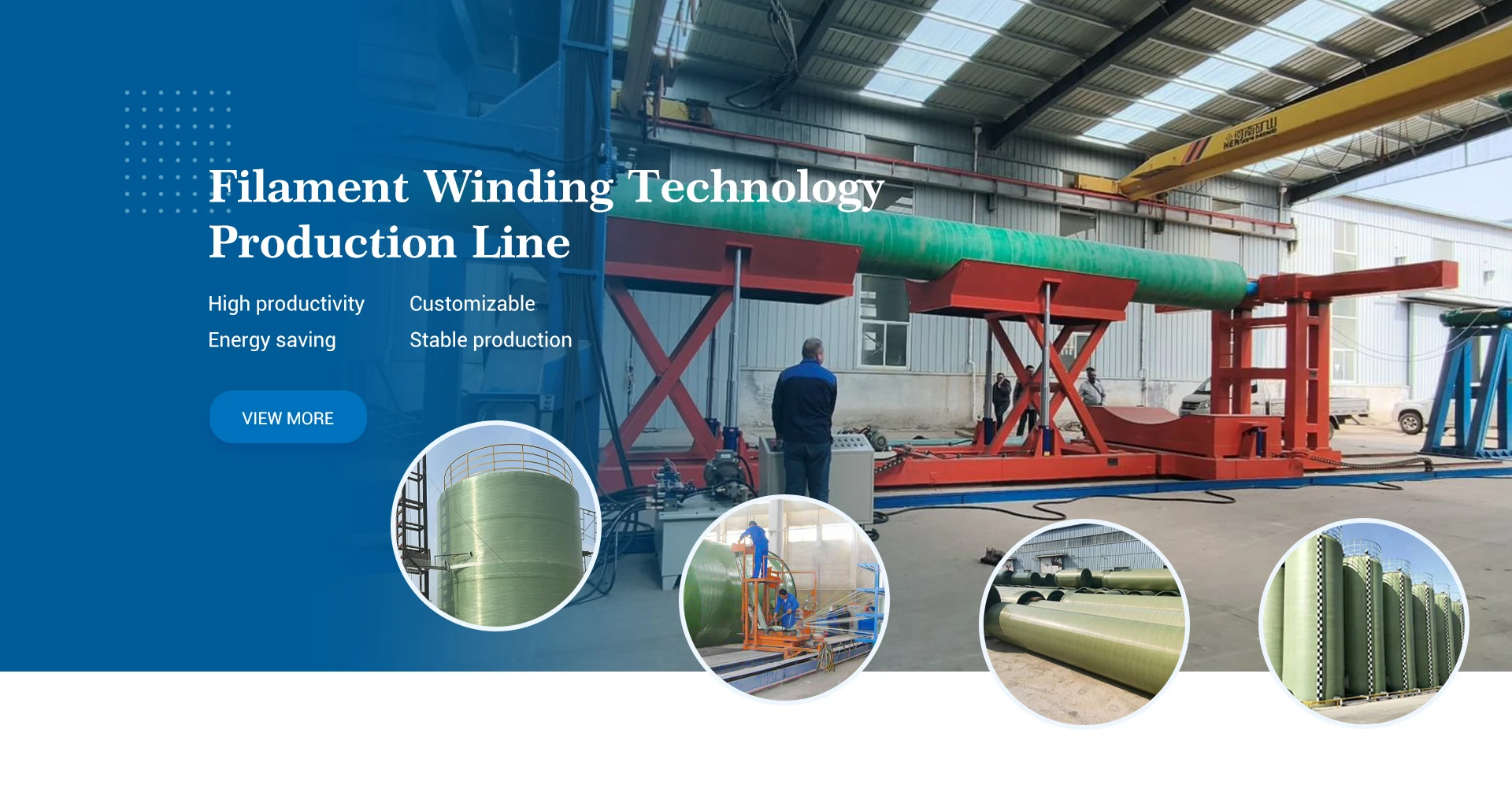
One of the most significant trends in CNC machining is the shift toward composite and engineered materials. Fiberglass-reinforced plastics, advanced polymers, and corrosion-resistant alloys are becoming standard in industries ranging from automotive to chemical processing. These materials offer superior strength-to-weight ratios, enhanced durability, and improved resistance to harsh environments. The FRP Rebar Making Machine exemplifies how specialized equipment is enabling the production of high-performance composite materials that meet the rigorous demands of modern construction and infrastructure projects. As CNC operators work with an expanding variety of substrates, understanding material behavior becomes critical to achieving optimal machining parameters and final product quality.
The Role of Chemical Equipment in Manufacturing Efficiency
Behind every successful CNC machining operation lies a network of supporting systems and equipment. Chemical processing equipment, including reactors, storage tanks, and material handling systems, plays a critical role in ensuring that raw materials are properly prepared and maintained. For manufacturers working with corrosive or temperature-sensitive materials, the integrity of chemical equipment directly impacts product quality and production uptime. Advanced fiberglass tanks and corrosion-resistant piping systems are increasingly specified in facilities that require reliable material storage, transfer, and conditioning before components reach the machining floor.
Precision Engineering and Automation Trends
Automation is reshaping the CNC machining landscape. Smart factories equipped with IoT sensors, real-time monitoring systems, and automated material handling are becoming the norm. These technologies enable manufacturers to achieve higher throughput, reduce waste, and maintain consistent quality across production runs. The integration of advanced control systems with chemical processing equipment allows for precise management of material properties, temperature, and flow rates, ensuring that downstream machining operations receive materials with optimal characteristics. This convergence of mechanical and chemical engineering disciplines is driving new efficiencies in everything from metalworking to composite fabrication.
Sustainability and Material Efficiency
Environmental considerations are driving innovation in both CNC machining and material production. Manufacturers are adopting closed-loop systems, recycling programs, and energy-efficient processes to reduce their environmental footprint. The use of durable, long-lasting materials such as fiberglass composites reduces the need for frequent replacements, contributing to overall sustainability. Chemical equipment designed for efficient material utilization, minimal waste, and energy recovery is becoming increasingly important in this context. Machine shops that invest in sustainable material handling and processing solutions are finding themselves better positioned to meet regulatory requirements and customer expectations alike.
Future Outlook for CNC and Materials Processing
Looking ahead, the convergence of CNC machining, advanced materials, and chemical processing will continue to accelerate. Developments in additive manufacturing, hybrid machining processes, and intelligent automation are expected to open new possibilities for product design and production efficiency. Manufacturers that invest in integrated solutions—combining precision machining with reliable material handling and processing equipment—will be best positioned to compete in the global marketplace. The boundaries between traditional machining disciplines and material science are blurring, creating opportunities for those who can bridge both worlds.
The success of modern manufacturing depends on the seamless integration of multiple technologies and expertise. From the initial material preparation to the final machined component, every step in the production chain must work in harmony. As industries continue to push the boundaries of what is possible, the role of specialized equipment—whether for CNC machining, chemical processing, or composite material production—will remain essential to achieving the highest standards of quality, efficiency, and reliability.