
Understanding bonding brake pads requires a deep dive into the material science and mechanical tolerances that govern modern vehicle safety. As automotive engineering moves toward higher performance and lighter-weight components, the synergy between high-precision manufacturing and advanced friction formulas has become more critical than ever before.
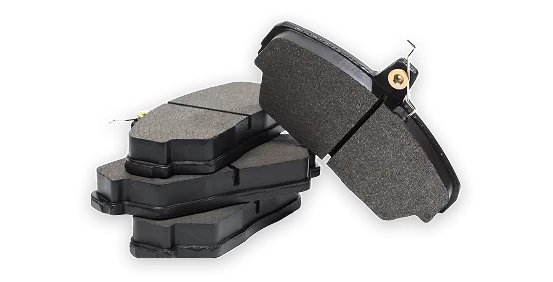
In the world of high-precision machinery, specifically within CNC-driven production lines, the margin for error is microscopic. When we discuss braking systems, we are not just talking about simple friction; we are discussing heat dissipation, structural integrity under extreme thermal stress, and the chemical stability of bonding agents used to fuse friction material to the steel backing plate.
The Role of CNC Precision in Component Consistency
The manufacturing of automotive sub-components relies heavily on the accuracy of CNC machining. Whether it is the calibration of calipers or the precise shaping of brake shoes, the geometry of these parts dictates how energy is converted from kinetic to thermal form. If a component deviates by even a fraction of a millimeter, it can lead to uneven wear, vibration, or catastrophic failure during high-speed deceleration.
Modern production facilities utilize advanced CNC technology to ensure that every batch of parts meets rigorous industrial standards. This precision is particularly vital when integrating complex ventilation structures designed to manage the intense heat generated during heavy-duty braking cycles.
Material Science: Beyond Simple Friction
The evolution of friction material formulas has shifted from basic organic compounds to highly sophisticated, eco-friendly mixtures. The challenge for material scientists is to balance three conflicting variables: noise reduction, thermal stability, and environmental impact. Traditional formulations often relied on heavy metals, but industry trends are moving toward "green" friction materials that maintain high performance without releasing harmful particulate matter.
Key Technical Challenges in Brake Production:
- Thermal Dissipation: Preventing brake fade through efficient heat management.
- Acoustic Optimization: Utilizing low-noise technology to eliminate squeal.
- Structural Integrity: Ensuring the bonding of materials survives high-pressure environments.
Economic and Operational Considerations
For fleet managers and individual vehicle owners, understanding the lifecycle of these components is essential for budgeting. While the initial front rear brakes cost can vary based on the quality of the friction material and the complexity of the manufacturing process, investing in high-durability components often results in lower long-term maintenance expenses. A component designed with superior ventilation and optimized friction formulas will naturally last longer, reducing the frequency of replacement cycles.
In the broader industrial context, the supply chain for these parts—ranging from raw material sourcing to the final CNC-machined assemblies—serves as a backbone for the global automotive aftermarket. Companies like Kaiyuan Auto Parts Co., Ltd. exemplify this by providing the high-quality production and R&D capabilities required to meet these evolving technical demands, ensuring that the fundamental components of vehicle safety are both reliable and sustainable.
Conclusion: The Future of Braking Systems
As we look toward the future of automotive technology, including the rise of electric vehicles (EVs), the requirements for braking systems are changing again. EVs require different torque profiles and regenerative braking integration, placing even more pressure on the precision of friction materials and the durability of the hardware. The intersection of CNC manufacturing excellence and advanced chemical engineering will remain the cornerstone of automotive safety for decades to come.