CNC turning for aerospace parts
Product Overview - what the product is, its core function, and primary industry use
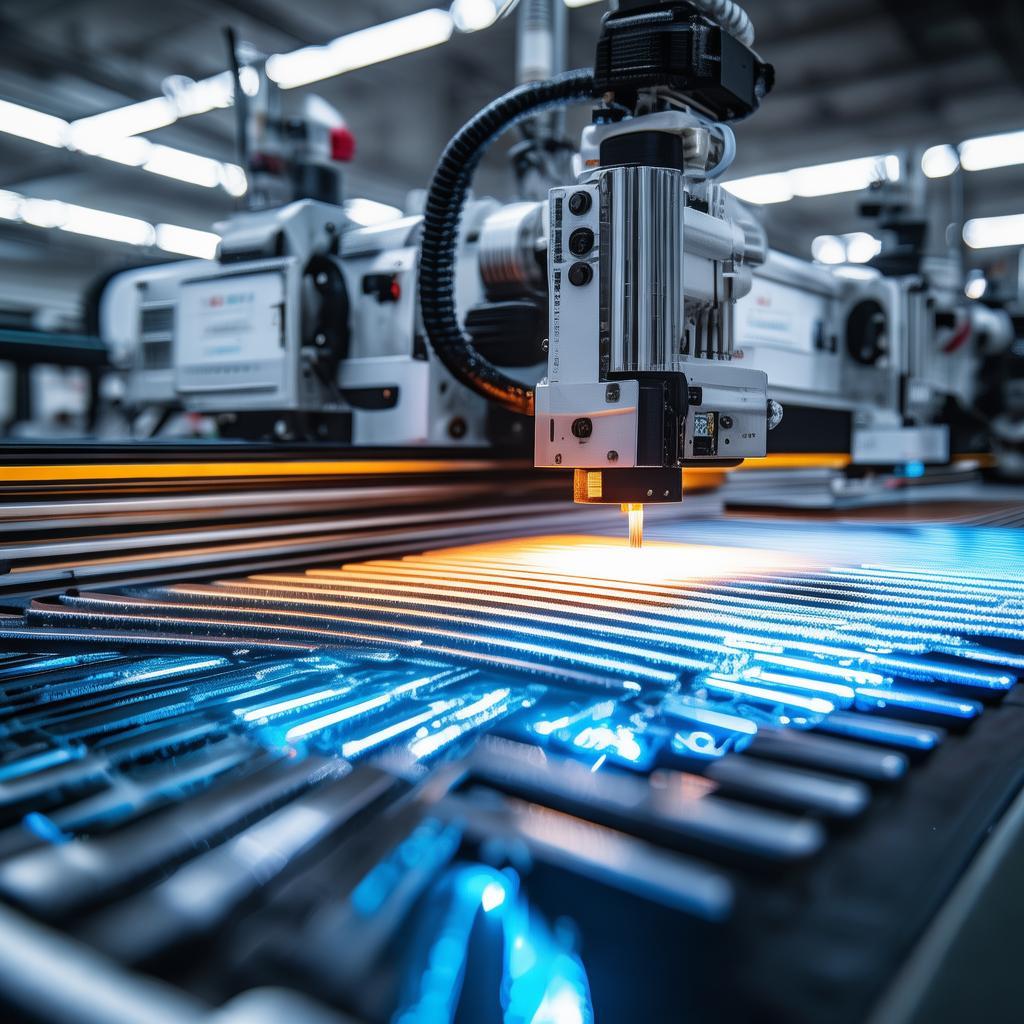
CNC turning for aerospace parts is precision machining for rotating components used in aircraft and related aerospace systems. This process shapes shafts, hubs, bushings, and structural-to-mechanical interfaces by removing material with controlled tool paths, achieving the tight dimensional control and surface finish required for performance, fit, and reliability. For procurement and engineering teams, the value is clear: consistent part geometry, repeatable tolerances across production runs, and manufacturing discipline aligned with aerospace-grade expectations.
Whether you need a single prototype batch or steady medium-to-high volume supply, our turning capability supports the material and complexity demands common to aerospace manufacturing—helping you reduce risk in assembly, minimize rework, and maintain schedule certainty.
Key Features
- Dimensional reliability through controlled workholding and verified machining sequences, supporting fit-critical interfaces.
- Stable surface finish for components that must meet wear, sealing, and aerodynamic or mechanical performance requirements.
- Configurable turning processes to handle a range of geometries, from cylindrical bores to stepped shafts and threaded features.
- Process control for repeatability designed to maintain part-to-part consistency from the first article to production.
- Material-aware machining support to help preserve integrity when working with aerospace-typical alloys and demanding specifications.
- Inspection-ready output with documentation support that streamlines downstream QA and supplier qualification workflows.
- Supply-focused responsiveness including clear communication on lead times, revision handling, and build planning.
Technical Specifications
| Parameter | Specification |
|---|---|
| Process type | CNC turning for aerospace parts components (shaft, hub, bushing, and stepped geometries) |
| Typical operations | External/internal turning, facing, boring, grooving, threading (as specified) |
| Dimensional verification | Inspection planning and measurement to match customer drawings and tolerancing requirements |
| Surface finish control | Finish targets aligned to drawing callouts for functional surfaces |
| Material compatibility | Aerospace-typical alloys (application-dependent; review with engineering) |
| Production readiness | Prototype-to-production capability with repeatable machining setups |
| Documentation support | Build records and inspection package coordination based on buyer requirements |
| Quality approach | Controlled process steps and verification checkpoints to support consistent output |
Application Scenarios
- Locking hubs and rotating connectors where concentricity and surface finish directly impact assembly performance.
- Landing gear and actuation-related shaft components that require consistent geometry across production lots.
- Bushings and wear interfaces where stable dimensional control helps prevent misalignment and premature wear.
- Adapter sleeves and stepped shafts used in drivetrain linkages requiring repeatable fit for mating parts.
Advantages
Choosing a dedicated turning process for aerospace-grade manufacturing goes beyond “machining a part.” Our approach prioritizes repeatability, verification planning, and setup discipline—so the output matches drawings reliably and supports downstream assembly.
- Better fit confidence than generic turning services by aligning machining strategy to functional surfaces and tolerances.
- Lower rework exposure through inspection-driven process control and early issue detection.
- More predictable builds for procurement due to structured communication, revision handling, and planning.
- More consistent quality outcomes compared with ad-hoc subcontracting, especially when moving from prototype to repeat production.
Why Choose Us
When you source CNC turning for aerospace parts, you need a supplier that treats machining as a controlled manufacturing system—not just a workshop operation. We focus on clarity, documentation readiness, and engineering collaboration from quoting through delivery.
- Customer-aligned process planning that starts with your drawings, tolerances, and inspection expectations.
- Clear communication on feasibility, lead times, and any required clarifications before production.
- Consistent handling of change requests so revisions are managed without disrupting build schedules.
- Quality-focused support for documentation and measurement coordination to help streamline your QA workflows.
If you share your part drawings and production quantities, we can recommend an approach that supports your schedule and quality requirements for aerospace programs.
FAQ
Q: What types of aerospace parts are best suited for turning operations?
A: Shaft-like components, hubs, bushings, sleeves, and other rotational parts with turned features such as bores, steps, threads, and grooves.
Q: How do you ensure parts meet drawing tolerances and inspection requirements?
A: We review your drawing callouts, align machining strategy to critical features, and plan verification checkpoints so measurement is meaningful for fit and function.
Q: Can you support prototype development and then scale to production?
A: Yes. We support the transition from initial builds to repeat production by standardizing setups and maintaining process consistency for CNC turning for aerospace parts programs.
Q: What information do you need to quote a turning job?
A: Part drawings (and revisions), material specification, target quantities, critical dimensions/surface finish callouts, and any inspection/documentation expectations.
Q: Do you offer machining-only, or can you coordinate finishing steps?
A: Our scope focuses on the turning process, and we can coordinate with your preferred downstream steps as needed. If you specify the finishing requirements on the drawing, we align machining outputs to those requirements.
Ready to evaluate a fit-for-purpose turning plan for your next aerospace program? Share your drawings, tolerances, and quantity targets—we’ll review them and respond with a clear quotation path for CNC turning for aerospace parts.