CNC turning for hydraulic fittings
Product Overview
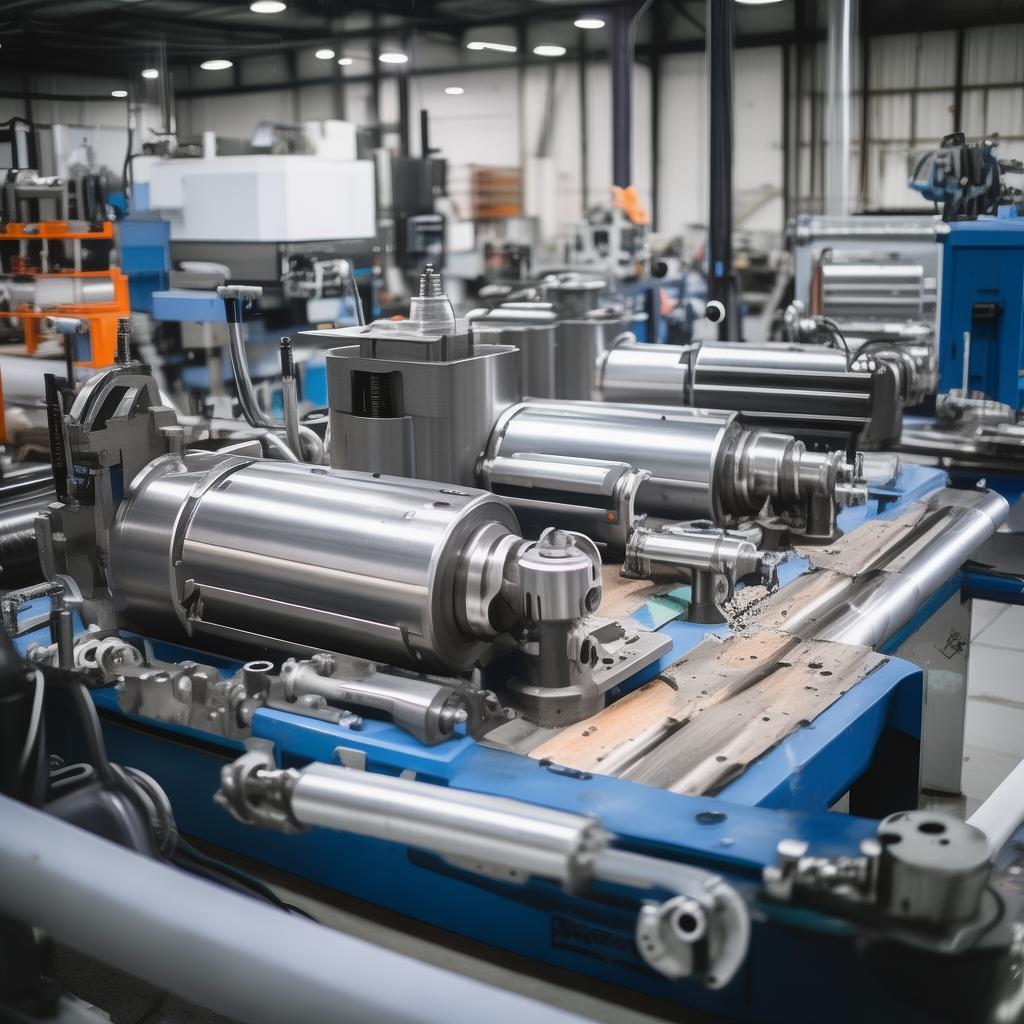
CNC turning for hydraulic fittings is precision machining designed to produce reliable, high-integrity components used in hydraulic power systems. By combining programmable turning operations with tight dimensional control, we manufacture fitting bodies, couplers, adapters, and related turned parts that help meet performance requirements under pressure, vibration, and thermal cycling. This manufacturing approach is widely used in the hydraulics and industrial machinery supply chain, where procurement teams need consistent geometry, traceable quality, and repeatable batch output for OEM and maintenance applications. When you source machined hydraulic hardware, the goal is simple: dependable fit, smooth sealing surfaces, and predictable lead times.
Key Features
- Dimensional consistency for seal performance: precision control supports reliable mating and helps reduce leak risk across hydraulic duty cycles.
- Repeatable machining for batch production: stable programming and process planning support scalable output for distributors and contract manufacturers.
- Surface quality where it matters: controlled cutting parameters help maintain functional surfaces used for sealing and connector interfaces.
- Material compatibility: turning processes can be adapted to commonly used hydraulic-grade steels and alloys to meet application needs.
- Geometric tolerance management: we align programming and inspection steps to keep critical dimensions within your drawings and standards.
- Designed for downstream finishing: turned components can be produced to support plating, coatings, heat treatment, and assembly requirements.
- Engineering-friendly collaboration: we support DFM/DFA feedback (as needed) to help reduce machining risks and improve manufacturability.
Technical Specifications
Note: Actual specifications are set according to your drawings, material selection, and inspection requirements.
| Parameter | Specification |
|---|---|
| Process Type | CNC turning for hydraulic fittings with programmable operations for repeatable geometry |
| Typical Components | Fitting bodies, adapters, couplers, stepped shafts, sealing-interface turned features |
| Workpiece Materials | Hydraulic-grade steels and suitable alloys (confirmed per your material spec) |
| Dimensional Control | Measured to drawing tolerances for critical diameters and interfaces |
| Surface Finishing (Functional Areas) | Machined surface quality targets for sealing and connector mating surfaces (as specified) |
| Inspection & Verification | In-process and/or final inspection aligned to your acceptance plan |
| Documentation | Drawings review support; inspection records available based on agreement |
Application Scenarios
- Mobile and industrial hydraulics: turned fitting components for cylinder connections and hose interfaces on construction and agricultural equipment.
- Hydraulic power packs: consistent geometry for manifold adapters and couplers to support stable assembly and pressure integrity.
- OEM replacement parts: repeatable manufacturing to match original drawing requirements for service and spare part supply.
- Manufacturing automation systems: reliable sealing interfaces for hydraulic actuators used in production machinery.
- Distributors & multi-vendor sourcing: batch-ready CNC turning for hydraulic fittings with predictable output and practical lead time planning.
Advantages
Choosing our turning service for hydraulic hardware means you get more than cut metal—you get a controlled manufacturing workflow built around the realities of hydraulic assemblies: sealing reliability, interface accuracy, and repeatability across lots. Compared with generic turning suppliers, we focus on producing turned features that align to your drawing priorities, reducing the downstream burden on assembly teams and inspection departments.
- Better fit-to-drawing discipline: we prioritize critical dimensions and sealing-interface surfaces rather than treating them as “typical tolerances.”
- More predictable batch consistency: process planning is designed for stable output when you need recurring supply.
- Lower assembly friction: turning accuracy supports smoother mating with hoses, fittings, and connectors.
- Support for finishing routes: we can machine to accommodate your coating/plating/heat-treatment sequence.
- Fewer “surprises” in inspection: verification steps are coordinated around the acceptance needs your QA team expects.
Why Choose Us
We work with procurement managers, engineering teams, and trade buyers who require dependable machining supply. Our approach emphasizes drawing clarity, manufacturing readiness, and disciplined quality checks so your hydraulic components arrive as planned. We keep communication practical and documentation-oriented—so quoting is faster, production is smoother, and reorders are straightforward.
- Process-aligned quoting: we review your requirements to confirm tolerances, materials, and functional features before machining.
- Quality-first mindset: inspection planning supports consistent conformance for turned hydraulic parts.
- International trade readiness: we help coordinate packaging and shipment details for cross-border fulfillment.
- Reorder confidence: production methods aimed at repeatability help simplify future procurement cycles.
If you share your drawings and requirements, we can confirm feasibility for CNC turning for hydraulic fittings and align the manufacturing plan to your spec.
FAQ
Q1: Can you machine parts to our hydraulic fitting drawings and tolerances?
Yes. We manufacture based on your CAD/drawings and agreed inspection requirements, focusing on critical sealing and interface dimensions.
Q2: What materials do you support for turned hydraulic components?
We can work with commonly used hydraulic-grade steels and suitable alloys. Final material selection should follow your specification or target performance needs.
Q3: Do you provide finishing support after turning (coating, plating, heat treatment)?
We can machine components to support downstream finishing steps per your process plan. Coordination depends on your agreed route and drawing notes.
Q4: How do you handle quality verification for hydraulic sealing interfaces?
Inspection is planned around your critical features and acceptance criteria to reduce risk during assembly and final testing.
Q5: What lead-time factors should we consider for CNC turning for hydraulic fittings?
Lead time depends on material readiness, complexity of geometry, required inspections, batch quantity, and any coordination with finishing/packaging for shipment.
Ready to source dependable turned hydraulic components? Send your drawings, material requirements, and target quantities for a quotation—we’ll review feasibility for CNC turning for hydraulic fittings and propose a manufacturing plan aligned to your delivery schedule.