
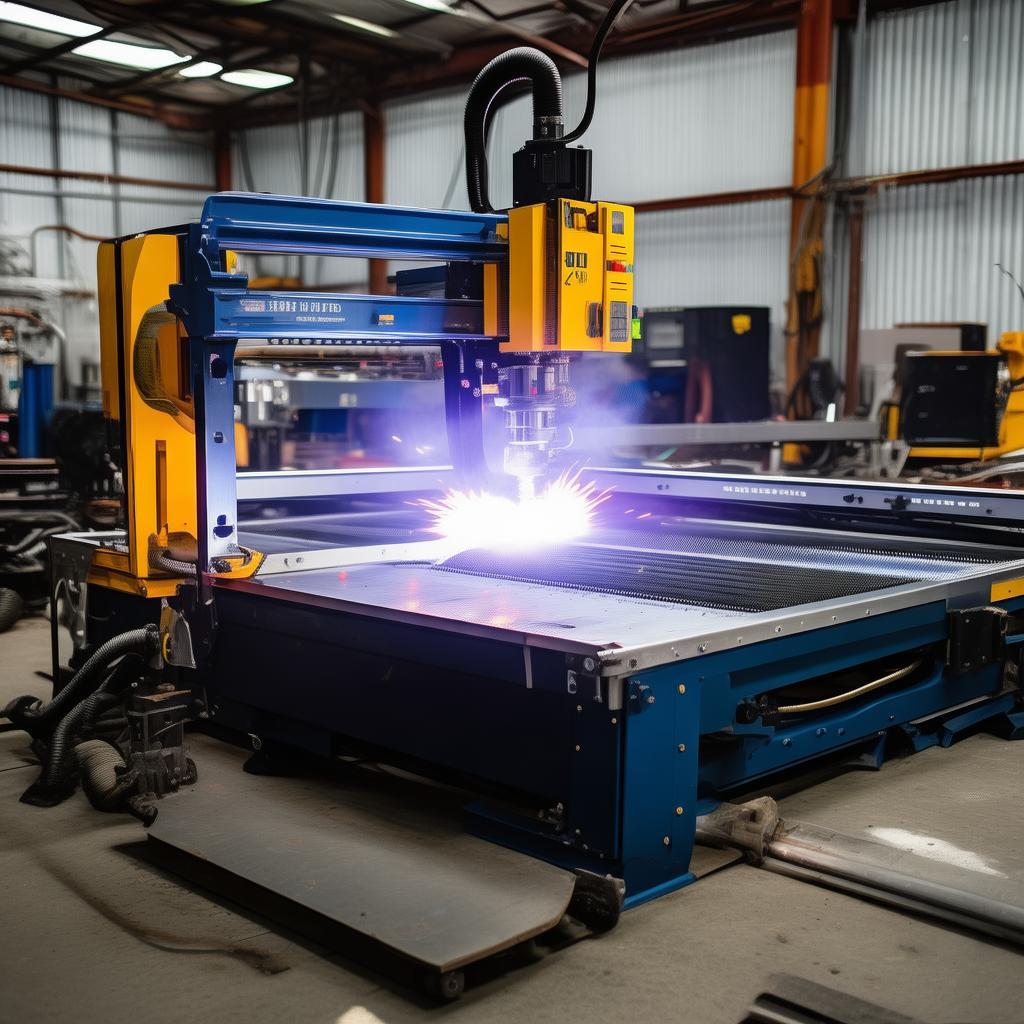
OEM CNC turning center
Product Overview
An OEM CNC turning center is a production-grade CNC lathe platform built for manufacturers that need repeatable precision, flexible machining, and stable throughput across a wide range of shaft, sleeve, and complex cylindrical parts. In industrial metalworking—especially where tiered supply chains serve automotive, machinery, and general precision engineering—this type of turning system is used to efficiently produce turned components from bar stock and, in many configurations, to support driven tooling and multi-operation workflows. For procurement teams and OEM engineers, the goal is straightforward: dependable dimensional control, consistent cycle times, and a machine tool architecture designed to integrate into an existing manufacturing line.
Key Features
- Work-ready automation capability—supports efficient part production planning, reducing manual handling and helping standardize output quality across shifts.
- Machining stability for repeat runs—built to maintain smooth cutting behavior, which supports tight tolerances on cylindrical features.
- Flexible tooling workflow—designed to accommodate common turning operations and allow your process to adapt as part designs evolve.
- Operator-friendly programming and setup—streamlines setup for new jobs and helps production teams minimize downtime during changeovers.
- Line integration focus—optimized for integration into manufacturing systems where uptime, safety, and maintainability matter day-to-day.
- Cost control through right-sized configuration—a turning center platform you can specify for your workload, rather than paying for unused capabilities.
- Consistent surface finish options—supports stable turning practices that help achieve predictable surface quality for functional and cosmetic requirements.
Technical Specifications
Note: Exact specifications can be configured to your application. The table below reflects typical parameters to align evaluation and quoting.
| Parameter | Specification |
|---|---|
| Machine type | CNC turning center / production lathe platform |
| Spindle capability | High-speed spindle configuration (customizable) |
| Chuck/workholding | Industrial-grade chuck options (application-dependent) |
| Tooling system | Turret/tool station configuration (customizable) |
| Axes | Multi-axis turning control for standard turning operations |
| Control and software | CNC control package for conversational and/or program-based machining |
| Repeatability approach | Built for production repeatability through rigid structure and stable drive control |
| Cooling and lubrication | Integrated coolant/lubrication options for cutting stability |
| Power & utilities | Configured for site requirements (voltage and integration planning available) |
| Options | Tool presetter, sub-spindle/extra stations, automation-ready interface (as requested) |
Application Scenarios
- Automotive component machining: produce repeatable turned parts such as shafts, bushings, and housings where consistent dimensions matter for assembly fit.
- Industrial machinery supply: machine wear and functional cylindrical components for repair and new-build programs with predictable quality.
- General precision engineering: run medium-batch production of turned parts with varied geometries requiring dependable tooling setups.
- Job-shop to production transition: adapt the workflow as demand grows, moving from manual processes to standardized CNC cycles.
Advantages
Compared with generic CNC lathes, this OEM-ready turning center approach is designed to match the way industrial buyers operate: evaluate feasibility quickly, configure for real parts, and scale output without rewriting your entire production process. Instead of forcing a one-size-fits-all setup, the OEM CNC turning center platform supports a more practical alignment between part geometry, tooling strategy, and shop-floor integration—helping reduce trial-and-error time and improving confidence during ramp-up.
The result is typically smoother commissioning, clearer maintenance planning, and better continuity between engineering intent and manufacturing reality—especially important when multiple suppliers, distributors, or facilities are involved in delivery schedules.
Why Choose Us
We support buyers with a procurement-focused approach: specification review, configuration guidance, and documentation that helps your technical team validate fit for production. Our supply process is built for international trade—quotation clarity, packaging and shipment planning, and responsive communication during commissioning planning.
- Application-first quoting: we align the turning solution to your parts, materials, and production targets before finalizing configuration.
- Documentation and handover: helps engineering, operators, and maintenance teams start up efficiently.
- After-sales support planning: assistance designed to minimize downtime risk during early production.
- Distributor-friendly supply: consistent communication for procurement, logistics, and installation coordination.
FAQ
Q1: What industries typically use this turning center?
It’s commonly used in industrial metalworking supporting automotive, machinery, and general precision engineering where consistent turned components are produced at repeatable quality levels.
Q2: Can the machine be configured as an OEM-ready solution?
Yes. The OEM CNC turning center concept is supported through configurable tooling, control options, and integration features so the platform aligns with your product and customer requirements.
Q3: Will it work for different material types?
It can be set up for common engineering materials by selecting appropriate cutting strategy and cooling/lubrication options. For best results, share your material grades and typical job details.
Q4: How do we confirm it fits our parts and tolerances?
Provide drawings, material, target tolerances, and current cycle time expectations. We’ll help map your turning operations to the right tooling and configuration for production stability.
Q5: What should we include in an RFQ?
Include part sketches/drawings, batch size range, material types, required finishes, and any automation expectations. If you’re evaluating an OEM CNC turning center for a customer program, include branding or integration constraints as well.
Ready to evaluate a production-ready turning platform for your component programs? Send your part drawings and manufacturing requirements, and we’ll respond with a configuration proposal and a quotation tailored to your priorities.