CNC router for architectural panels
Product Overview
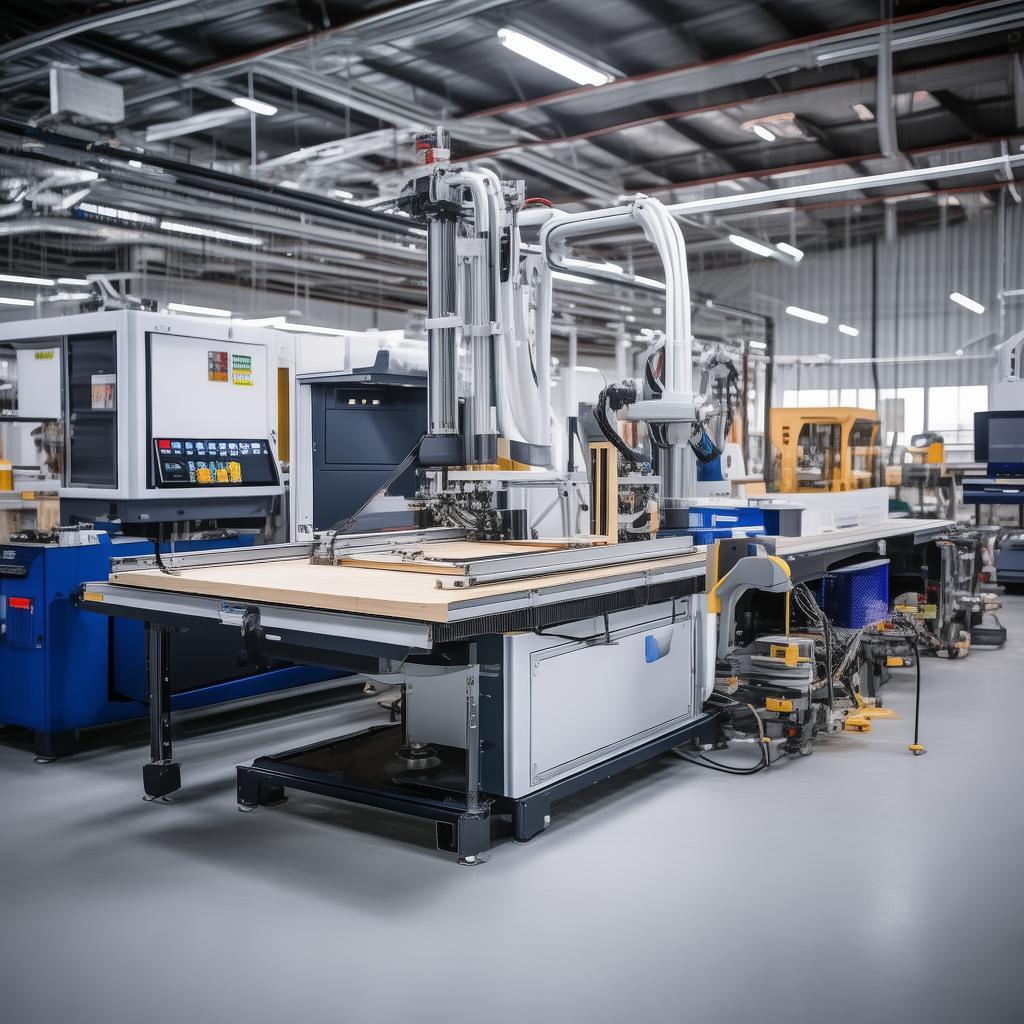
A CNC router for architectural panels is a precision cutting and engraving system built for fabricators who produce decorative, functional, and specification-driven components—such as wall cladding, doors, acoustic elements, and signage substrates. In the architectural and building materials industry, buyers prioritize dimensional accuracy, repeatable output, clean edges, and efficient batch processing for designs that may change frequently. This router is designed to deliver dependable machining of sheet goods and panel materials while maintaining consistent geometry across series production.
Whether you work in architectural millwork, interior paneling, shop fitting, or offsite construction, the machine helps translate CAD/CAM files into production-ready parts with controlled tolerances and streamlined workflows.
Key Features
- Panel-optimized machining for reliable cut quality on common architectural sheet materials, enabling consistent part fit and finish.
- CAD-to-CAM workflow that converts complex drawings into repeatable CNC programs—reducing manual rework and setup errors.
- Stable cutting dynamics to support clean contours, cavities, and engraving details that are visible in architectural applications.
- Faster job changeovers so custom batches and design revisions can be handled efficiently without prolonged downtime.
- Support for production consistency to maintain repeatable dimensions across runs, improving installation reliability.
- Practical integration for fabricators, designed to fit typical workshop layouts and existing production planning.
- Cleaner finishing pathways by enabling precise machining paths that reduce downstream trimming and rework.
Technical Specifications
Specifications vary by configuration (worktable size, spindle choice, and options). Below is a typical specification layout used for quoting and procurement alignment.
| Parameter | Specification |
|---|---|
| Working Area (X/Y) | Configured to match typical panel production sizes |
| Z Travel (vertical) | Configured for panel thickness and tool reach |
| Spindle | Router-grade spindle options for wood/composite and sign/acoustic substrates |
| Control System | Industrial CNC controller with standard CAM program support |
| Positioning Interface | USB/Network workflow based on your production environment |
| Repeatability Approach | Built for repeatable panel part geometry in production runs |
| Dust/Chip Handling | Optional dust collection and machining-safe routing |
| Available Options | Vacuum hold-down, tool changers, Z measurement, and material-specific setups |
Application Scenarios
- Decorative wall cladding: Machining repeatable patterns for high-visibility interior panels from CAD drawings.
- Acoustic and perforated elements: Creating consistent perforations and relief profiles on panel substrates for controlled sound design.
- Door and partition panels: Producing clean edges and routed features to support fast assembly on-site.
- Wayfinding and signage substrates: Engraving and cutting layout graphics with precise geometry for installation-ready panels.
Advantages
Compared with generic hobby or non-panel-focused CNC platforms, a production-oriented CNC router for architectural panels is purpose-built for the real constraints of architectural fabrication: frequent design changes, tight scheduling, visible finishing quality, and batch repeatability.
- Panel stability and job repeatability: supports consistent part dimensions across multiple runs, reducing installation issues.
- Cleaner contour outcomes: helps deliver sharp outlines and controlled relief features that matter for architectural appearance.
- Faster quoting-to-production: enables smoother CAD/CAM handoff and shorter setup cycles for custom projects.
- Industrial workshop fit: designed for everyday production use rather than occasional prototyping.
Why Choose Us
We support architectural fabrication customers with a procurement-first approach—helping you select the right configuration for your panel materials, thickness ranges, and production volumes. Our team focuses on application alignment, documentation readiness, and practical implementation guidance for integrators and distributors.
- Transparent ordering and quotation process tailored to your work envelope and tooling needs.
- Production-oriented guidance for CAM workflow, part layout, and setup strategy.
- Support documentation and onboarding assistance for smoother commissioning.
- A service-minded mindset for long-term uptime planning, including recommended maintenance practices.
Note: If you share your target panel materials and typical batch sizes, we can recommend the best configuration for your application—so the solution matches real throughput requirements.
FAQ
1) What materials can this router handle for architectural work?
Many fabricators use panel machining systems like this for wood, composite boards, and sign/acoustic substrates. Your exact material and thickness determine tool selection and setup.
2) Can we run our existing CAD/CAM files?
Yes. The workflow typically supports standard CNC program formats. We can align the machine configuration with your CAM output to minimize trial-and-error.
3) How do we ensure repeatable dimensions across batches?
Repeatability depends on consistent workholding (e.g., vacuum or clamps), correct toolpaths, and stable setup. We help define a practical production setup for your panel dimensions.
4) Is this suitable for custom architectural designs?
Yes. A CNC router for architectural panels is designed for frequent design changes and efficient batch processing—especially when part geometry varies between jobs.
5) What should we tell you to get an accurate quote?
Provide your work envelope needs, typical panel thickness, material types, and target annual throughput (or batch sizes). With that, we can propose an appropriate configuration.
If you’d like to evaluate a configuration for your specific architectural panel production, send your CAD samples, material list, and target part sizes. We’ll respond with a clear quotation path and recommendations tailored to your workflow.