
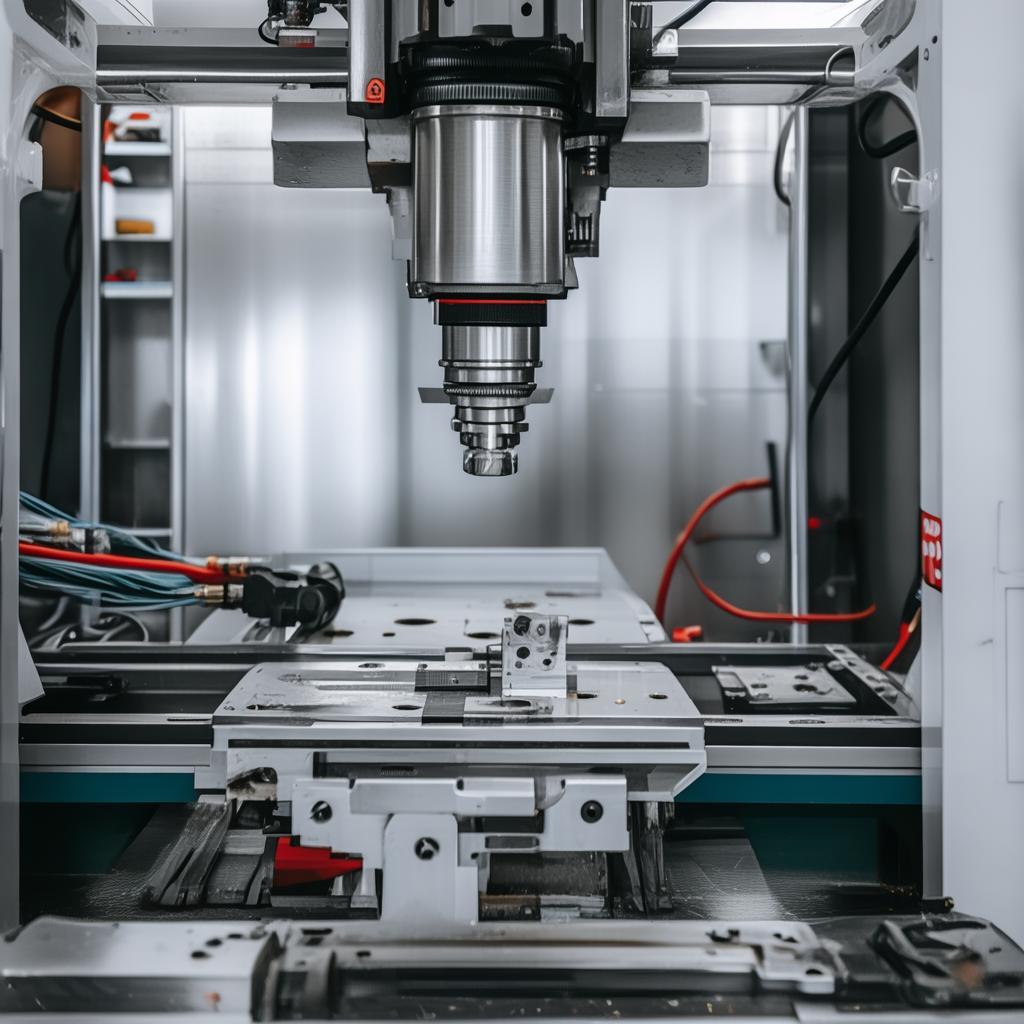
CNC router for plastic sheet fabrication
Product Overview
A CNC router for plastic sheet fabrication is a precision machining system designed to cut, route, and engrave polymer sheets with consistent edge quality and repeatable part geometry. In the industrial fabrication and manufacturing supply chain, this type of computer-controlled router helps sheet processors and product designers move from CAD/CAM files to production parts quickly—whether you’re producing enclosures, signage components, protective covers, or functional prototypes. With accurate toolpaths and controllable machining conditions, a CNC router streamlines layout updates, reduces manual finishing, and supports efficient nesting for material utilization.
Key Features
- Clean edges and predictable tolerances for plastic parts—helpful for assemblies, fit checks, and downstream thermoforming or bonding steps.
- CAD/CAM-ready workflow so production can be driven by programmed toolpaths, revision control, and repeat jobs without re-measuring setups.
- Material-aware routing capability to support common plastics (e.g., acrylic, polycarbonate, PVC sheet) with stable cutting behavior and reduced chipping risk.
- Efficient nesting and panel utilization to reduce scrap and improve throughput for sheet-based manufacturing.
- Production repeatability that supports batching and distributor programs—ideal when the same geometry must be reproduced across dates and sites.
- Operator-friendly setup using workholding options and guided parameter selection to keep changeovers fast.
- Scalable process integration for fabrication shops that add capacity gradually while keeping the same digital file workflow.
Technical Specifications
| Parameter | Specification |
|---|---|
| Machine type | CNC router for sheet processing and plastic machining |
| Control system | Industrial CNC controller supporting standard G-code workflows |
| Spindle and routing head | Configured for plastic cutting/engraving applications with toolpath-driven control |
| Work area | Sheet-capable working envelope (customizable to project needs) |
| Positioning interface | Digital file-to-machine workflow (CAD/CAM to CNC execution) |
| Workholding | Compatible with vacuum tables, clamps, or grid-style sheet support (depending on configuration) |
| Cooling/maintenance readiness | Designed for daily production use with service access for routine checks |
| Typical outputs | Cut parts, routed features, engraved markings, and CNC-processed sheet components |
Note: Exact dimensions, spindle configuration, and integration options can vary by the shop’s material thickness, sheet size, and production targets. Share your sheet format and part geometry for an accurate configuration proposal for your CNC router for plastic sheet fabrication workflow.
Application Scenarios
- Enclosure and housing production: Cut and route polymer panels for electronics housings with consistent mounting features.
- Signage and display components: Engrave durable acrylic elements and manufacture layered signage using repeatable toolpaths.
- Protective covers and guards: Fabricate clear shields and protective sheet parts for machinery and equipment—optimized for fit.
- Prototype-to-production bridging: Rapidly revise CAD designs and rerun the same parts for manufacturing validation.
- Distributor kit manufacturing: Batch-generate standardized plastic components for downstream assembly and kitting.
Advantages
Compared with generic cutting solutions, a dedicated CNC routing platform for plastic sheet work offers tighter control over geometry and edge consistency. Waterjet and laser systems can be excellent in many cases, but for shops focused on routing features, step cuts, engraved detailing, and repeat part runs, CNC machining often delivers a more direct path from CAD/CAM to production. It also supports efficient nesting strategies to reduce material waste on panel-based jobs.
- Better suitability for routed pockets, rebates, and multi-feature parts built from sheet.
- Higher repeatability for production batching versus one-off manual fabrication.
- Digital file workflow reduces handling errors during revisions and reorders.
- Flexible tooling and path control for different plastics and thickness ranges (within your chosen configuration).
Why Choose Us
We supply sheet-processing CNC systems for manufacturing and industrial fabrication teams who need dependable uptime and practical integration. Our approach prioritizes clear lead times, responsive pre-sales technical review, and support that helps you translate drawings into production-ready CNC programs for your material and tooling plan.
- Production-focused guidance on workholding, workflow, and CAM file handling.
- Documentation and commissioning support designed to shorten time-to-first-part.
- Configurable machine envelopes and practical options aligned to your sheet sizes.
- Long-term service planning mindset to protect your manufacturing schedule.
If you have specific requirements (material types, thickness, target surface quality, or expected throughput), tell us—then we can propose the right configuration for your CNC router for plastic sheet fabrication needs.
FAQ
Q1: What plastics can this sheet router handle?
A: It’s designed for common polymer sheet processing. Your exact material list, thickness range, and expected edge finish will determine the recommended tooling and machining parameters.
Q2: Will we be able to run production jobs from CAD/CAM files?
A: Yes. The digital workflow supports converting CAD/CAM output into CNC-controlled toolpaths, making revisions and repeat orders more efficient and consistent.
Q3: What determines cut quality on a CNC router for plastic sheet fabrication?
A: Cut quality depends on tooling selection, toolpath strategy (feeds/speeds and engagement), workholding stability, and material condition. We’ll help align your process plan to your parts.
Q4: How do we manage sheet stability and prevent vibration?
A: Workholding is key—options such as vacuum tables or proper clamping/grid support improve stability, reduce chatter risk, and help maintain consistent feature dimensions.
Q5: Is this suitable for both prototyping and batch production?
A: Yes. You can start with short runs and develop repeatable programming standards for larger batches, making it a practical choice for fabrication teams and distributors scaling output.
Q6: Can you recommend the right configuration for our sheet sizes?
A: Absolutely. Share your maximum sheet dimensions, typical part geometry, and production volume; we’ll propose a configuration aligned with your CPC (cycle planning), workflow, and tooling requirements.
Ready to upgrade your sheet workflow with a reliable routing solution? Send your part drawings (or sample files), sheet sizes, and target plastics, and we’ll get back with a tailored recommendation for a CNC router for plastic sheet fabrication setup that fits your production goals—request a quote or inquiry today.