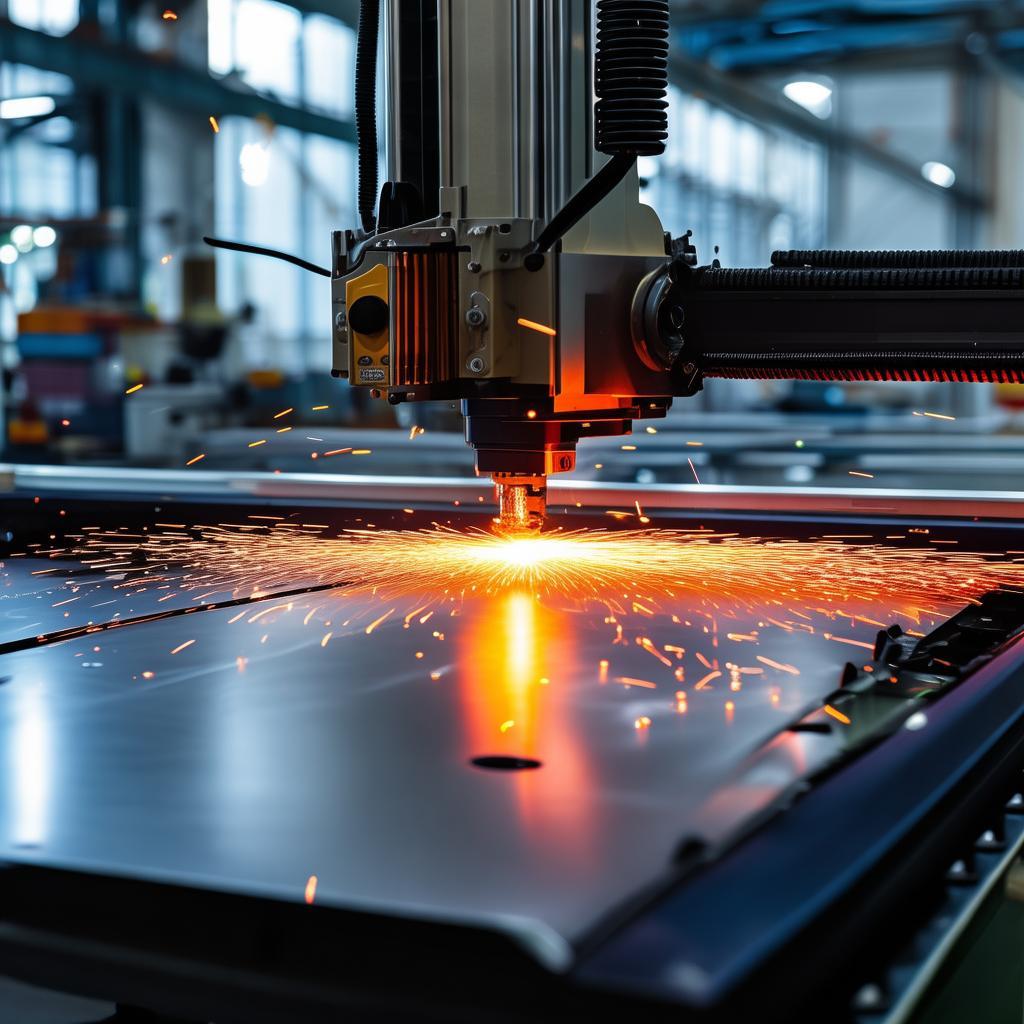
CNC router for sign making
Product Overview
A CNC router for sign making is designed for precision cutting, routing, and engraving materials used in the signage industry—everything from acrylic and foam boards to routed wood, aluminum composite, and decorative laminates. In a sign shop or industrial graphics workflow, the machine’s core job is to translate CAD artwork into repeatable physical parts with clean edges, stable positioning, and efficient production throughput. For procurement teams and production leads, that means reliable accuracy across batches, straightforward tooling integration, and performance that keeps dielines, lettering, and dimensional elements consistent from one job to the next.
Key Features
- Sign-ready quality for crisp letter profiles, smooth routing paths, and consistent engraving depth on common sign materials.
- Stable processing & repeatability to support multi-panel signage, versioning, and production runs without manual rework.
- Efficient workflow that reduces setup time between jobs—ideal for job shops producing varied storefront graphics.
- Flexible tooling approach for profiling, V-carving, engraving, and dimensional routing when materials and letter styles change.
- Production-minded operation built to handle typical signage throughput while maintaining predictable cut behavior.
- Clear integration with design files so CAD-to-CAM conversion and routing programs can be standardized across operators.
- Business-friendly maintainability so maintenance routines are practical for in-house technicians, reducing downtime risk.
Technical Specifications
| Parameter | Specification |
|---|---|
| Working area (X/Y/Z) | Configurable to your sign sizes and panel formats |
| Spindle / cutting power class | Selected based on typical materials (acrylic, foam, composites, wood) |
| Positioning method | Precision CNC motion system for signage routing and engraving |
| Control software & job workflow | Operator-friendly control for repeatable sign production |
| Vacuum / clamping readiness | Supports common workholding setups for sheet and board materials |
| Typical signage operations | Routing, carving, profiling, engraving, and template-based production |
| Electrical & interface options | Configured for your plant environment and integration needs |
| Available upgrades | Tooling system, workholding, spindle selection, and workflow enhancements |
Application Scenarios
- Retail storefront signage: route clean channel-letter components and dimensional panels from CAD artwork.
- Vehicle graphics & fleet branding: produce consistent profiles and repeatable cutting patterns for multi-unit installs.
- Indoor exhibition and wayfinding: engrave detailed logos and nameplates with dependable depth control.
- Architectural signage components: fabricate lightweight boards and routed elements for backlit or layered signage designs.
Advantages
Choosing a dedicated CNC router solution for sign work means you’re optimizing around how the signage industry actually operates: mixed materials, frequent design changes, and the need for consistent edge quality across batches. Compared with generic routers, this approach helps reduce time spent on trial-and-error setup and increases repeatability for common signage geometries such as letters, plaques, and panel arrays.
- Better fit for typical signage tasks like engraving, profiling, and dimensional routing in one production workflow.
- More predictable job results when your tooling and workholding are tuned for sheet and board materials.
- Reduced operator friction through signage-friendly programming and standardization of recurring designs.
- Lower rework risk thanks to stable positioning and production-minded process planning—critical when timelines are tight.
Why Choose Us
We support sign manufacturers, distributors, and job shops with a supply approach focused on practical deployment—so your CNC router for sign making or engraving-focused CNC solution can move from purchase to production with minimal disruption.
- Application-led configuration: we help match machine setup to your material mix, common panel sizes, and output targets.
- Clear documentation and onboarding: operator guidance and workflow support to help teams run jobs confidently.
- After-sales responsiveness: a support pathway for maintenance needs and production questions.
- Long-term supply orientation: we plan around repeatability and serviceability, not one-time installs.
If you share your typical materials (e.g., acrylic, foam, MDF, composites) and the sizes you cut most often, we can recommend the best configuration for your signage production line.
FAQ
Q1: Is this suitable for acrylic and foam board signage?
Yes. A signage-focused CNC workflow is well-suited to acrylic, foam board, and similar sign substrates when tooling and cutting parameters are matched to your material thickness and finish requirements.
Q2: What material thickness can the CNC router handle?
The recommended thickness depends on your chosen spindle/tooling class and working height. We can configure the system so your typical signage boards and panels stay within safe, repeatable operating ranges.
Q3: Can it produce both engraving and full-depth routing?
Yes. With appropriate tool selection and job programming, the same CNC platform can support engraving details, profiling, and dimensional routing for layered or dimensional sign components.
Q4: How do I standardize production for repeat sign jobs?
We recommend a standardized CAD-to-CAM workflow, consistent workholding, and tooling libraries for your most common sign templates—so each production run matches prior output with minimal adjustments.
Q5: Is a CNC router for sign making a good upgrade from manual tools?
For shops producing frequent letter forms, panel arrays, or multi-job throughput, CNC automation typically reduces labor variability and improves repeatability—especially when turnaround time and consistency are priorities.
Ready to evaluate whether this CNC router for sign making (or a signage-optimized configuration of a CNC router system) fits your production targets? Send us your typical materials, maximum panel size, and annual job volume for a tailored quotation and layout recommendation.