CNC fixture tooling
Product Overview
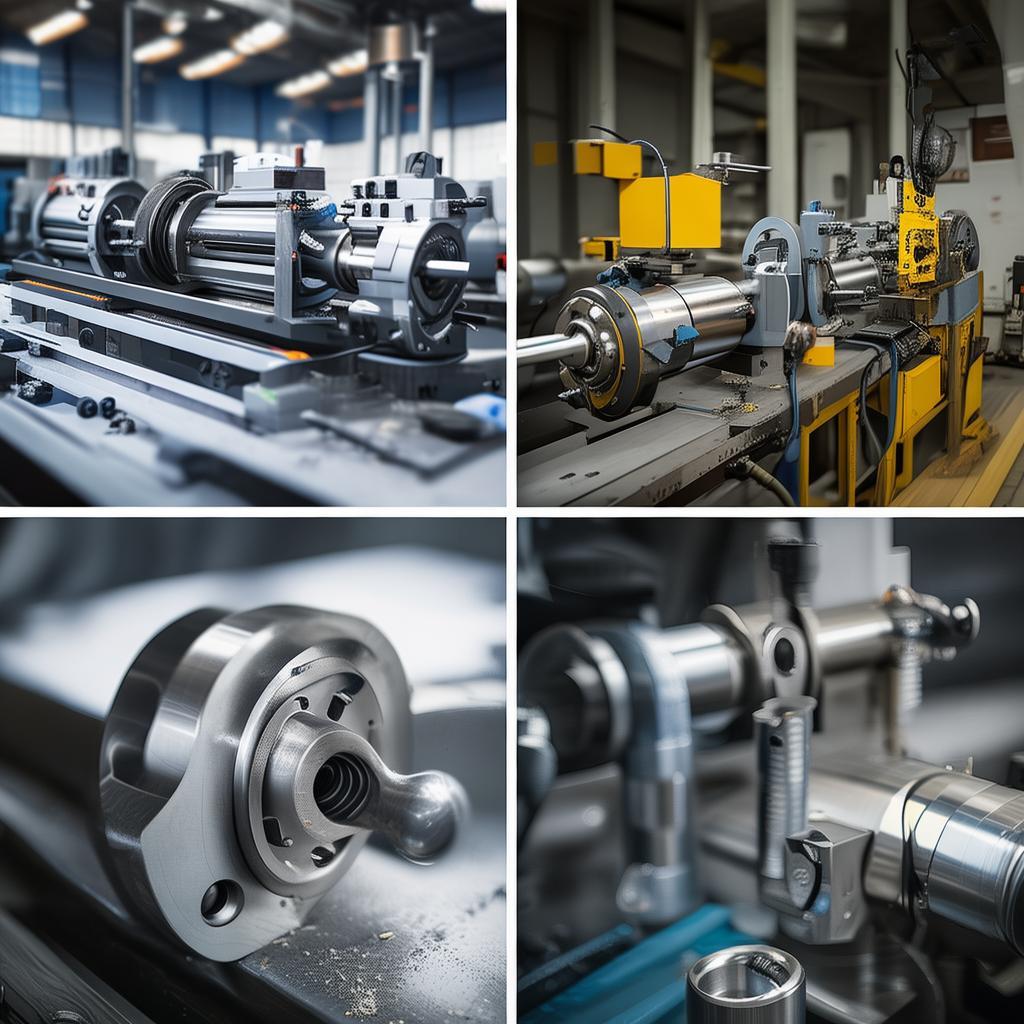
CNC fixture tooling is purpose-built workholding hardware used on CNC machining centers to locate, support, and clamp parts with repeatable accuracy. In the automotive and general industrial machining supply chain, fixture systems help manufacturers move from setup-to-setup variation toward stable, high-throughput production. This tooling supports milling, drilling, and machining operations by combining precise locating surfaces, robust clamping strategy, and durable contact points—so your operators can reliably produce consistent components on every cycle. When you need dependable workholding for repeatable machining results, our CNC fixture tooling solutions are engineered for shop-floor practicality and long-term productivity.
Key Features
- Stable location for consistent quality: Positive locating elements reduce variation in hole positions, datums, and machined surfaces.
- Repeatable clamping strategy: Optimized clamping forces help maintain part rigidity during cutting loads without over-constraining thin features.
- Designed for fast setup: Repeatable positioning and user-friendly interfaces help shorten changeover time and reduce operator training burden.
- Durable wear surfaces: Contact areas are selected and designed to resist fretting, galling, and premature wear from repeated production cycles.
- Chip-aware engineering: Geometry and access considerations support machining clearance, helping reduce interference risk and improving productivity.
- Scalable for multi-part families: Fixture architectures can be adapted for variant parts or modular upgrades as production evolves.
- Supports inspection-friendly workflows: Workholding designed around clear datums makes it easier to align measurement processes with the machining reference.
Technical Specifications
Specifications vary by part geometry, machine envelope, and tolerance targets. Below are typical configurable parameters used in our CNC workholding builds.
| Parameter | Specification |
|---|---|
| Workholding type | Modular fixture, dedicated fixture, or hybrid workholding system |
| Part locating approach | Pin/plate locating, jaw-based datums, or surface-based locating strategy |
| Clamping configuration | Mechanical clamp, toggle/over-center, or actuator-ready interface (as required) |
| Base interface | Direct plate mounting or machine-compatible mounting pattern (customer-specified) |
| Machining access & clearance | Tool-path-aware openings and interference controls |
| Surface protection | Wear-resistant contact surfaces and protective finishes (as required) |
| Repeatability focus | Designed around consistent datums and repeatable clamping positions |
| Production readiness | Prototype-to-production support, including iteration and optimization for throughput |
Application Scenarios
- Automotive machining: Holding housings and brackets during drilling and milling to reduce rework from datum shifts.
- Industrial component production: Fixtures that standardize part positioning across multi-shift operations and distributed teams.
- Mixed-model runs: Modular workholding that adapts to variant part geometries while keeping setup time controlled.
- High-volume throughput: CNC workholding that maintains clamp consistency under repeated cycles for stable machine performance.
Advantages
Compared with generic benches, off-the-shelf vises, or one-size-fits-all fixtures, a purpose-designed system improves control where it matters: locating repeatability, rigidity under cutting forces, and operator repeatability. Our approach to CNC fixture tooling prioritizes the practical realities of production—tool access, chip management, part handling, and predictable clamping behavior—so your machining programs produce the intended geometry without relying on constant operator “tuning.”
- Reduces dimensional variation caused by inconsistent datum contact and part movement.
- Helps stabilize machining cycle planning by minimizing unpredictable setup changes.
- Improves shop-floor ergonomics and repeatability, lowering training and risk during changeovers.
- Designed for maintainability—wear parts and contact surfaces can be addressed to extend service life.
Why Choose Us
We support manufacturers and machining teams with fixture engineering that balances accuracy, throughput, and build practicality. You can expect clear communication, structured feedback loops during development, and a focus on delivering workholding solutions that fit your machines and processes—not just drawings on paper.
- Procurement-friendly documentation and quotes built around your part requirements and production targets.
- Experience translating part geometry into reliable locating and clamping strategies for production use.
- Quality-minded manufacturing practices aimed at repeatability and long service intervals for workholding components.
- Support for iterations when your first fixtures meet real shop-floor conditions.
FAQ
Q1: What information do you need to design CNC fixture tooling for my parts?
A: Typically, we request part drawings (or CAD), target datums, machining operations (drill/mill plan), material/blank info, machine model/envelope, and any constraints for access and clamping.
Q2: Can you adapt the fixture if our process changes (tooling, clamping method, or sequence)?
A: Yes. Many fixture designs use modular or upgrade-ready elements so you can refine the locating/clamping strategy or accommodate sequence changes without rebuilding from scratch.
Q3: How do you ensure repeatability between setups and shifts?
A: We focus on deterministic locating surfaces and consistent clamping behavior, with fixture geometry that supports stable positioning and predictable operator handling.
Q4: Are these fixtures suitable for high-mix production?
A: They can be. For mixed-model runs, we often recommend modular workholding approaches that reduce changeover time while maintaining reference control.
Q5: What’s the typical path from prototype to production-ready tooling?
A: We typically start with fixture concepts and engineering alignment, then iterate based on fit, clearance, and shop-floor performance until the workholding meets your dimensional and productivity goals.
Want to improve repeatability and reduce setup risk for your next machining run? Send us your part drawing and machine details, and we’ll respond with a quotation and a practical fixture approach tailored to your production needs—whether you’re evaluating a CNC fixture tooling upgrade or planning a new workholding system.