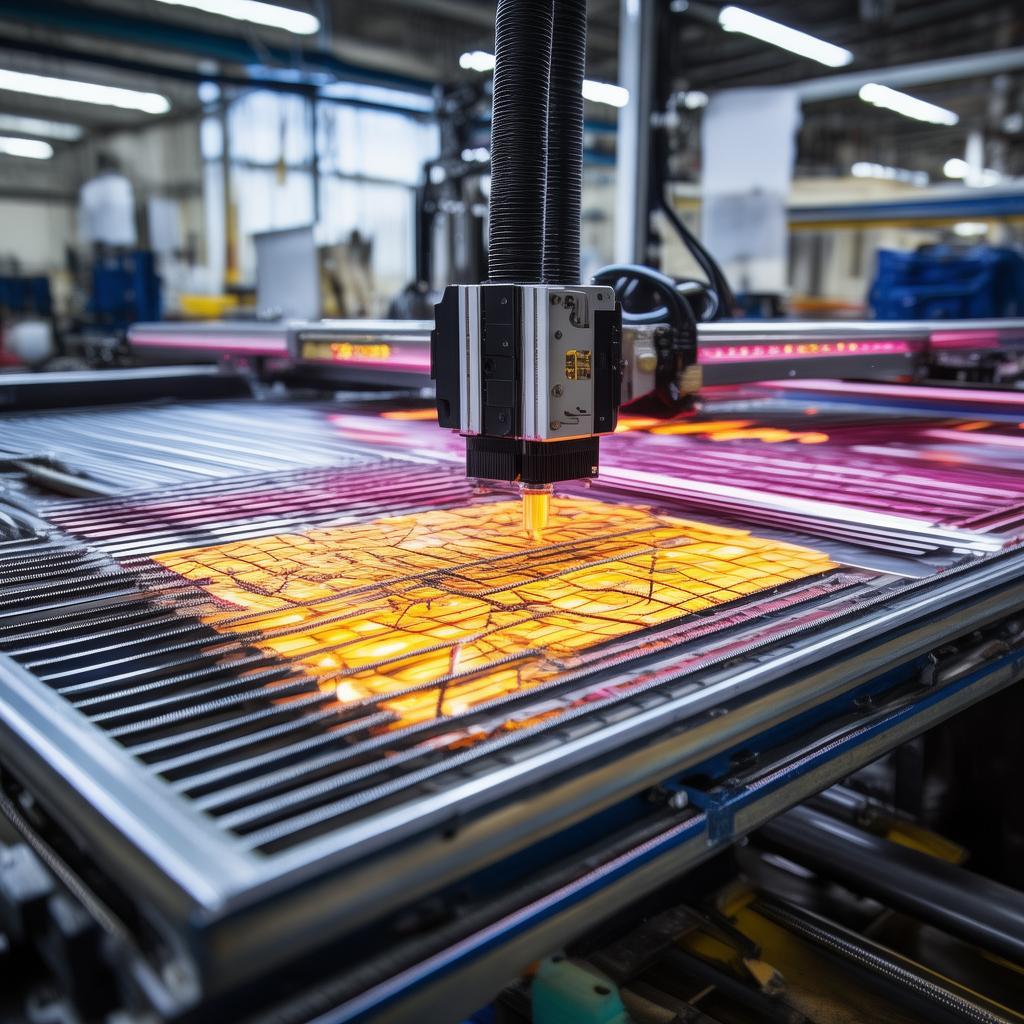
CNC tooling for automotive parts
Product Overview – CNC Tooling for Precision Automotive Components
CNC tooling for automotive parts is engineered for high-repeatability machining in the production of critical driveline, body, chassis, and powertrain components. Used on CNC mills, lathes, and machining centers, this tooling supports stable cutting performance, consistent tolerances, and reliable surface finishes—helping manufacturers move from prototype to high-volume output without sacrificing quality. Whether you’re producing shafts, housings, brackets, or precision bores, the right insert geometry, tool materials, and coatings can reduce cycle time while maintaining the machining accuracy demanded by automotive engineering standards.
Key Features
- Process stability for repeatable output: Tool designs that support consistent cutting behavior, reducing variation between production runs.
- Optimized wear control: Stronger resistance against tool wear helps protect dimensional accuracy and surface quality over extended cycles.
- Designed for automotive materials: Suitable for common automotive alloys and hardened zones, supporting predictable machining in real plant conditions.
- Better surface finish & form control: Tooling strategies that help minimize chatter and improve surface integrity for downstream assembly.
- Reduced downtime and faster changeovers: Tooling selection that supports longer life between index/replace intervals and smoother production flow.
- Support for a range of operations: Coverage for turning, milling, grooving, drilling-adjacent workflows, and finishing passes depending on your route.
- Supplier-ready documentation: Organized product information to streamline quoting, inspection planning, and procurement approvals.
Technical Specifications
| Parameter | Specification |
|---|---|
| Primary application | Machining of automotive components: bores, shafts, housings, brackets, and precision features |
| Machine compatibility | CNC lathes and machining centers; adaptable to typical industrial tooling holders |
| Operation types | Turning, milling, grooving/slotting, and finishing passes (based on configuration) |
| Tooling approach | Carbide-based tooling solutions with coating and geometry options selected to fit material and operation goals |
| Coating selection (varies) | Options chosen to balance wear resistance, heat management, and finish requirements |
| Quality control | Incoming inspection and controlled packaging to support stable machining outcomes |
| Support for optimization | Process recommendations and application guidance based on your part drawing, material, and tolerances |
Application Scenarios
- Powertrain machining: Stable tooling for shafts and precision bores where dimensional control and surface integrity are critical.
- Chassis and bracket production: Balanced geometry and wear resistance to maintain consistent finishing during batch runs.
- Housing and cover components: Reliable performance for repetitive pocketing and finishing steps that feed downstream assembly.
- High-mix manufacturing: Tooling strategy aligned to varied part geometries while keeping setups efficient across families.
Advantages
Compared with generic cutting tools, CNC tooling for automotive parts focuses on the realities of production engineering: maintaining tolerances through tool wear, reducing rework risk, and supporting predictable cycle times. Generic alternatives may provide acceptable performance at a lab setting, but often struggle under automotive throughput demands—especially when materials vary, fixtures change, or operations shift between roughing and finishing.
- Lower total machining cost: Better wear behavior can reduce tool changes and scrap rates.
- More consistent quality: Stable cutting helps protect surface finish and feature geometry during long runs.
- Simplified procurement: A structured tooling approach supports repeat orders for production continuity.
- Engineering alignment: Selection is tuned to your operation type—turning versus milling versus finishing—rather than a one-size-fits-all bundle.
If you’re comparing options for CNC tooling for automotive parts, the differentiator is application fit: tool geometry, material and coating strategy, and an approach designed for repeatable manufacturing outcomes.
Why Choose Us
We support global manufacturers and machining teams with tooling solutions built for production reliability. Our procurement partners typically choose us for practical reasons: dependable supply, responsive technical guidance, and clear communication on application requirements.
- Application-focused recommendations: We help match tooling to your part features, material, and machining route.
- Consistent product handling: Packaging and logistics designed to protect tooling integrity through transit.
- Procurement-friendly quoting: Transparent lead-time and order support to help planning teams stay on schedule.
- Engineering communication: Clear documentation to speed up internal approvals and trials.
To discuss the best configuration for your line, send your drawing or operation notes—we’ll help you map the right tooling solution for automotive machining.
FAQ
1) What types of automotive parts can this tooling support?
It’s commonly used for turning and milling operations on shafts, housings, brackets, and other precision features where consistent geometry and surface finish matter.
2) How do I choose the right tool geometry and coating options?
Share your part material, machining operation (roughing/finishing), target surface requirements, and constraints like coolant strategy or machine rigidity. We’ll guide a suitable selection path for your application.
3) Can this be used for both roughing and finishing?
Yes—tooling configurations are typically selected per operation stage. Many lines use different geometries or coating balances for roughing versus finishing to optimize tool life and surface integrity.
4) What should I provide to request a quotation?
Provide the part drawing (or key dimensions), material grade, operation type, machine model if available, annual volume, and your current tooling/insert reference if you’re switching suppliers. That’s usually enough to propose the best fit.
5) How does this reduce scrap or rework risk?
By focusing on wear behavior and cutting stability, the tooling helps maintain dimensional consistency over longer cycles—supporting repeatable machining results that align with automotive quality expectations.
6) Is this suitable for high-volume production and scheduling pressure?
Yes. Tooling designed for stable performance supports predictable production planning, helping reduce unexpected interruptions—an important factor in automotive machining environments.
Ready to standardize your process with CNC tooling for automotive parts that matches your machining route? Share your part details and target requirements for a tailored recommendation and quotation.
Request a quote or send your drawings to start an application review for your automotive component program.